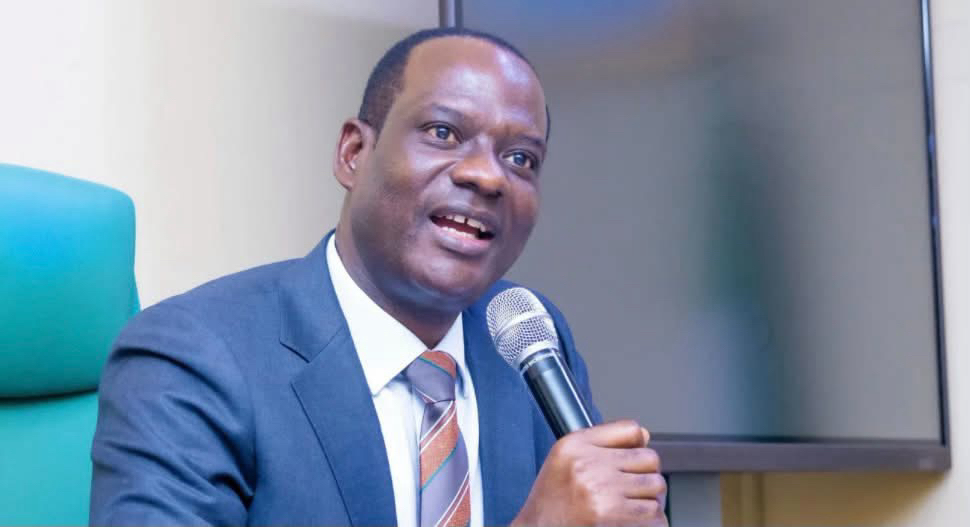

Minister of Finance and Coordinating Minister of the Economy, Taiwo Oyedele, has defended the Federal Government’s proposed $21.7 billion external financing plan, insisting that the funds are intended to support productive investments, infrastructure development and economic growth rather than simply increase Nigeria’s debt burden.
Oyedele spoke on Wednesday, October 28, 2026, while answering questions from State House correspondents after the Federal Executive Council (FEC) meeting presided over by President Bola Tinubu at the Presidential Villa in Abuja.
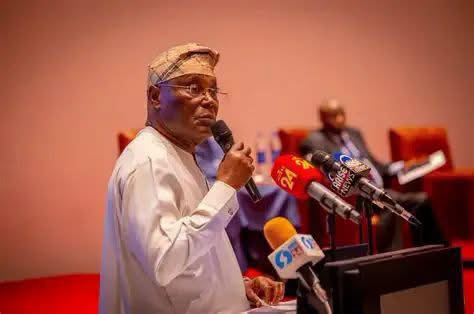
His comments followed criticism from former Vice-President Atiku Abubakar, who urged the National Assembly not to approve the proposed borrowing until the government provides detailed information about the projects, costs, contractors and repayment obligations.
Oyedele argued that the financing proposal should be assessed by examining the assets it is expected to create and the economic returns those investments could generate over time.
“This is investment, not borrowing,” the minister said, explaining that the proposal represents a financing plan for projects expected to be implemented over several years. He stressed that the request does not mean the entire amount has already been borrowed or that all the funds will necessarily be drawn down at once.
The proposed financing package comprises $20.52 billion and €1.045 billion, which together amount to approximately $21.7 billion when the euro component is converted into dollars. President Tinubu has asked the National Assembly to approve the external financing for projects and programmes covering several sectors of the economy.
According to the Federal Government, the proposed funds would support transportation infrastructure, security, healthcare, agriculture, energy, digital infrastructure, education and social protection.
Transportation projects account for approximately $10.6 billion of the proposed financing. They include the Sokoto–Badagry Highway, the Lagos–Calabar Coastal Highway and the Kano–Kaduna railway project.
The government says the projects are intended to improve connectivity, facilitate trade, reduce transportation constraints and strengthen economic productivity.
Oyedele also said the government was pursuing financing from multilateral and bilateral development partners to secure favourable lending terms and reduce the cost of funding major projects.
He disclosed that approximately $7.9 billion was expected from multilateral and bilateral partners, including a proposed $5 billion World Bank component carrying an average interest rate of about 2.1 per cent. Some financing for social-sector programmes is expected to carry interest rates of around two per cent, according to the minister.
The minister maintained that concessional financing could make long-term development projects more affordable, provided the funds are properly deployed and the investments deliver their intended benefits.
However, Atiku has questioned whether the government has supplied sufficient details to justify borrowing on such a scale. He has called on the National Assembly to demand full disclosure of the projects to be financed, their locations, contract sums, contractors, loan terms and repayment obligations before granting approval.
The former vice-president has also raised concerns about the timing of the proposal ahead of the 2027 general election and questioned the transparency surrounding some major infrastructure projects. These are objections raised by Atiku and have not been established as findings of wrongdoing.
The disagreement has placed renewed attention on the balance between financing infrastructure and managing Nigeria’s public debt. While the government argues that productive investment can generate economic value over time, critics insist that the scale of the proposed financing makes transparency, project selection and repayment planning essential.
The National Assembly’s consideration of the request will be an important stage in determining whether the proposed facilities receive legislative approval. Approval of a borrowing plan would not, by itself, establish that all the funds had been accessed or spent.
Oyedele also said the administration was targeting single-digit inflation by the end of 2027, or earlier, as part of its wider economic programme. The government has pointed to improvements in selected macroeconomic indicators while acknowledging the need to make economic recovery translate into better living conditions for Nigerians.
The debate over the proposed $21.7 billion financing package is therefore likely to centre on whether the government can demonstrate that the projects will deliver measurable public benefits, whether the financing terms are sustainable and whether Nigerians will have sufficient information to track the use of the funds.
IBN News — Fearless, Strong & Reliable