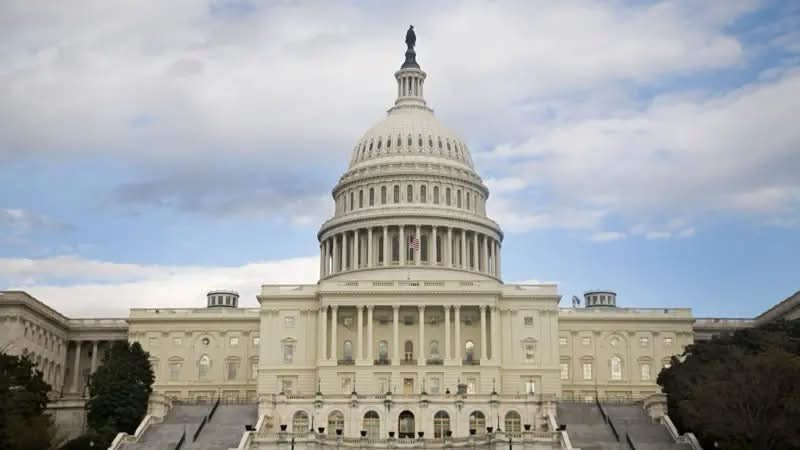

As Americans head to the polls on Tuesday, November 3, 2026, to elect members of Congress, Nigeria and the rest of Africa have compelling reasons to pay attention. The outcome will not determine who occupies the White House, but it could reshape the political balance in Washington and influence decisions with far-reaching consequences for African economies, security partnerships and diplomatic relations.
The 2026 midterm elections will determine control of the United States House of Representatives and part of the Senate. All 435 seats in the House and 35 Senate seats are being contested. President Donald Trump’s Republican Party currently controls both chambers.
A shift in either chamber could make it more difficult for the administration to advance its legislative priorities, approve spending proposals and implement aspects of its domestic and foreign policy agenda. Congress also exercises oversight over the executive branch, making its composition important to how American policies are funded, scrutinised and sustained.
For Nigeria, these developments are not distant political calculations. The relationship between Abuja and Washington spans security cooperation, trade, education, healthcare, investment and efforts to combat terrorism. Decisions made in the American capital can affect Nigerian institutions, businesses and ordinary citizens.
One of the most important issues Nigeria must watch is American foreign assistance.
United States support has contributed to healthcare programmes, disease prevention, security cooperation and development initiatives across Africa. Nigeria has also benefited from bilateral engagement in these areas.
However, relations have not been without disagreements. Concerns over religious freedom, human rights, insecurity and the conduct of security operations have featured in discussions between Nigerian and American officials and among lawmakers in Washington.
A change in congressional control could influence the intensity and direction of oversight over these issues. Lawmakers may demand additional explanations, conditions or safeguards before approving certain assistance programmes.
Nigeria must therefore understand that foreign assistance is not guaranteed. It is shaped by American domestic priorities, congressional decisions and the strategic interests of successive administrations.
Trade presents another major test.
The African Growth and Opportunity Act (AGOA), which provides eligible sub-Saharan African countries with preferential access to the American market, is currently authorised only through December 31, 2026.
Congress will have a significant role in determining whether the programme is extended, modified or replaced. Its future is particularly important for African exporters, manufacturers, farmers and businesses seeking access to the United States.
Nigeria, South Africa, Kenya and other eligible countries have an interest in ensuring that the programme provides predictable opportunities for trade and investment.
But African governments must also confront a difficult reality: preferential access to foreign markets means little if local industries cannot produce competitively, meet international standards, maintain consistent supply chains and take advantage of available opportunities.
The debate over AGOA is also taking place against a changing American trade policy. The Trump administration has indicated support for modernising the programme in line with its broader trade priorities. That makes congressional deliberations particularly important for African countries seeking long-term certainty.
Security cooperation is another area where Washington’s political direction matters.
Nigeria continues to confront terrorism, banditry, kidnapping and other security threats. Cooperation with the United States in intelligence sharing, military training, equipment and counterterrorism efforts can contribute to national security objectives.
However, such cooperation depends on diplomatic relations, policy decisions, funding and the willingness of both countries to maintain common priorities.
Nigeria must engage Washington consistently, explain its security challenges clearly and ensure that partnerships respect national sovereignty while delivering practical results.
Beyond Nigeria, African governments should pay attention to how the new Congress approaches migration, climate policy, development financing, regional conflicts and America’s wider engagement with the continent.
Yet Africa must avoid a familiar mistake: treating every political change in Washington as either a disaster or a rescue opportunity.
Whether Republicans retain control or Democrats gain ground, American political leaders will ultimately pursue what they consider to be their country’s interests. Nigeria and other African nations must be equally deliberate in protecting theirs.
The lesson is not that Africa should distance itself from the United States. Rather, it must build relationships based on mutual interests, clear diplomatic objectives and economic value.
Nigeria should strengthen its domestic industries, expand regional trade under the African Continental Free Trade Area, improve its investment climate, diversify export markets and reduce excessive dependence on foreign assistance.
It must also develop a more coordinated foreign policy that allows it to negotiate from a position of economic and institutional strength.
The midterm elections offer an important reminder that political decisions in powerful countries can influence opportunities and challenges far beyond their borders. But Nigeria should not simply wait to discover what Washington decides.
It must prepare, negotiate and protect its interests.
Africa needs partners, not permanent dependence. The continent’s future cannot be secured by the changing political fortunes of another country. It will depend on the strength of its institutions, the competitiveness of its economies and the quality of leadership at home.
IBN News — Fearless, Strong & Reliable