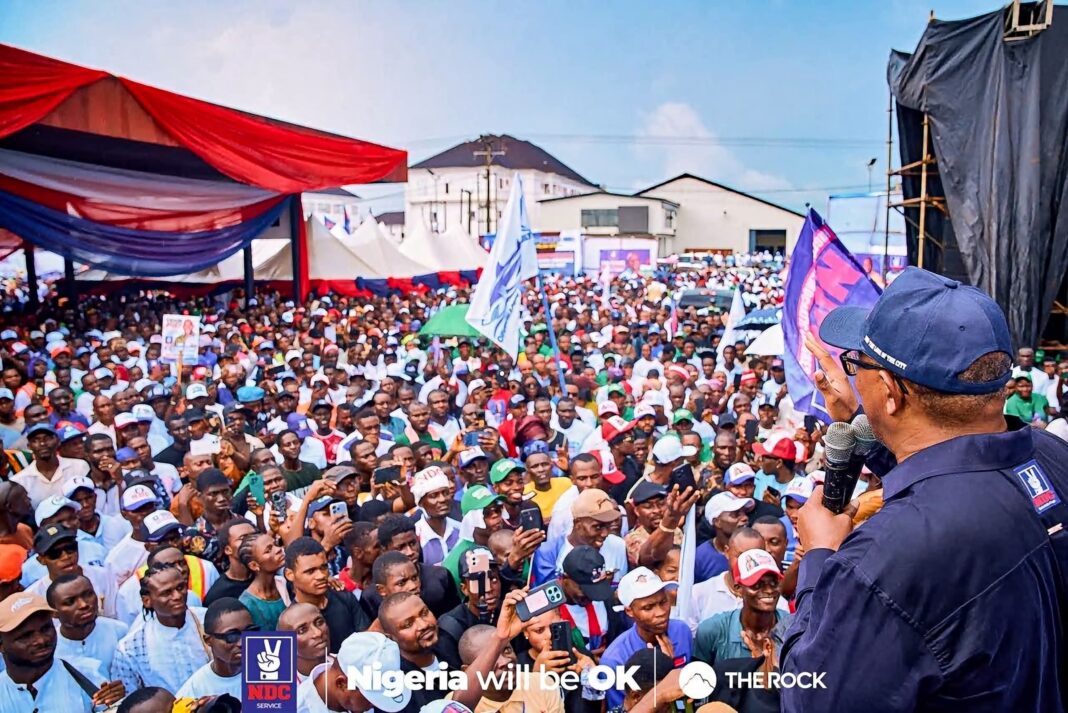


Former Labour Party presidential candidate and Nigeria Democratic Congress (NDC) presidential hopeful Peter Obi has criticised President Bola Tinubu over his alleged failure to spend a night in Bayelsa State since assuming office, promising a different approach to leadership if elected president in 2027.
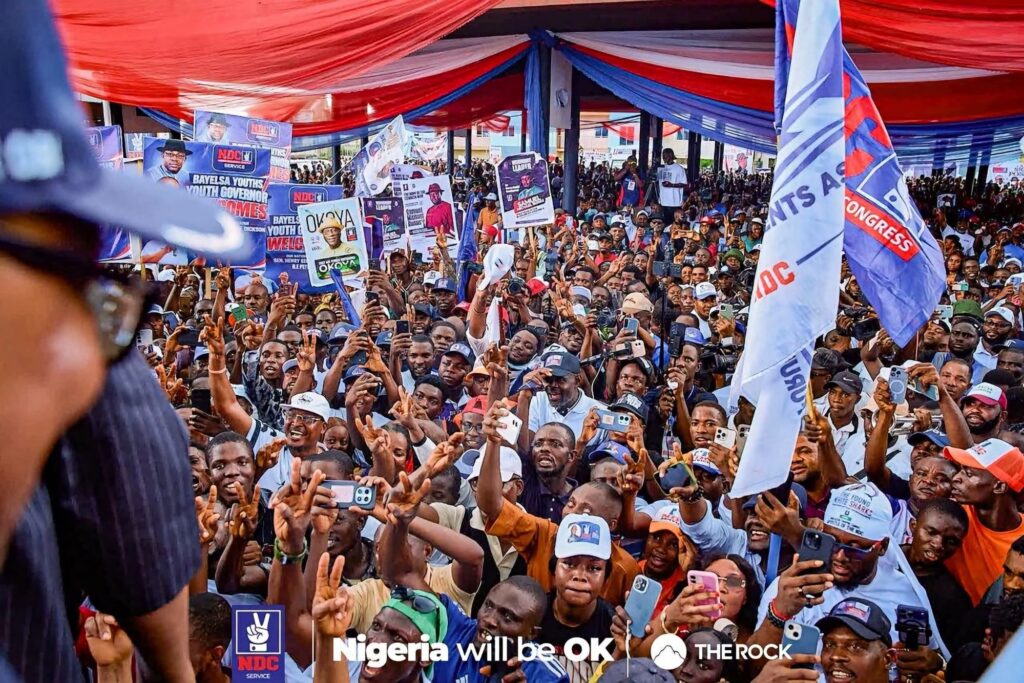
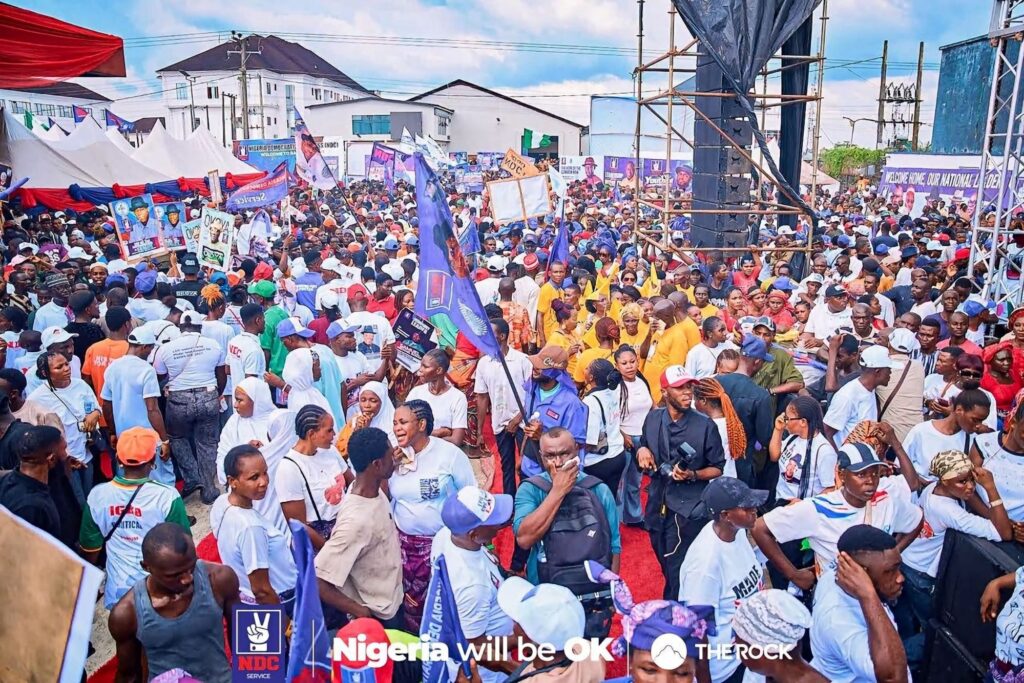
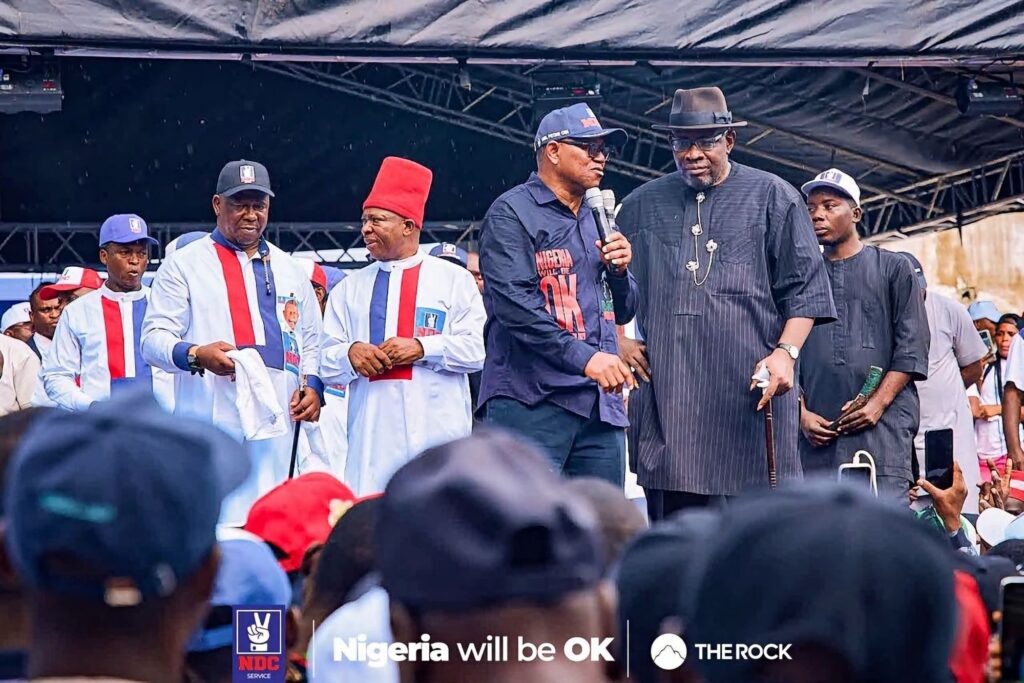
Obi made the remarks on Friday, October 30, 2026, during the homecoming ceremony of Senator Henry Seriake Dickson, the NDC’s national leader and former governor of Bayelsa State, in Yenagoa.

The former Anambra State governor said he travelled from Enugu to Bayelsa to honour Dickson and engage with party members and supporters. He used the occasion to question the President’s presence in the Niger Delta, contrasting Tinubu’s foreign travels with what he described as insufficient direct engagement with the people of Bayelsa.
Obi claimed that Tinubu had spent more than 260 days abroad but had not considered it necessary to spend a night in Bayelsa. The allegation forms part of Obi’s wider criticism of the President’s travel schedule and his argument that national leaders should maintain a visible presence in communities across the country.
The reported figure of more than 260 days abroad has also featured in previous media assessments of Tinubu’s overseas travels, although the precise total depends on the period and method used to calculate his trips.
Obi assured Bayelsa residents that his approach would be different, promising to visit the state, listen directly to citizens and respond to their concerns if he became president.
Beyond the criticism of Tinubu, Obi outlined infrastructure proposals aimed at improving maritime transportation and economic activity across the Niger Delta.
He pledged that his administration would begin efforts to upgrade ports across the region, specifically mentioning Warri, Port Harcourt and Calabar. He also promised to commence work on the long-delayed Ibaka seaport project in Akwa Ibom State and establish a new seaport in Bayelsa to serve its riverine communities and the wider Niger Delta.
The proposed projects would target longstanding concerns about transportation, trade and economic development in a region where waterways remain central to the movement of people and goods.
However, the proposals would require detailed feasibility studies, financing arrangements, environmental assessments and cooperation among federal and state authorities before implementation. The Bayelsa seaport proposal would also need a clearly defined location, technical design and business case to establish its viability.
Obi further reiterated his commitment to national unity and security, the fight against corruption, stronger investment in healthcare and education, and measures to lift Nigerians out of poverty.
He presented these priorities as central to his vision for the country, arguing that leadership should be measured by its ability to address the everyday problems confronting citizens rather than by political rhetoric alone.
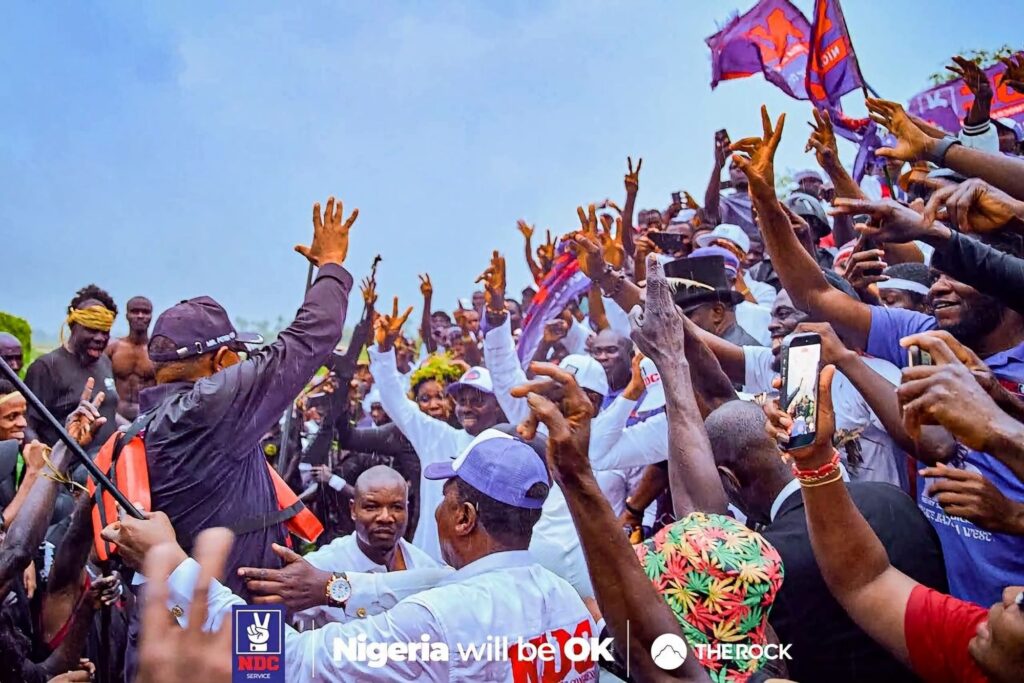
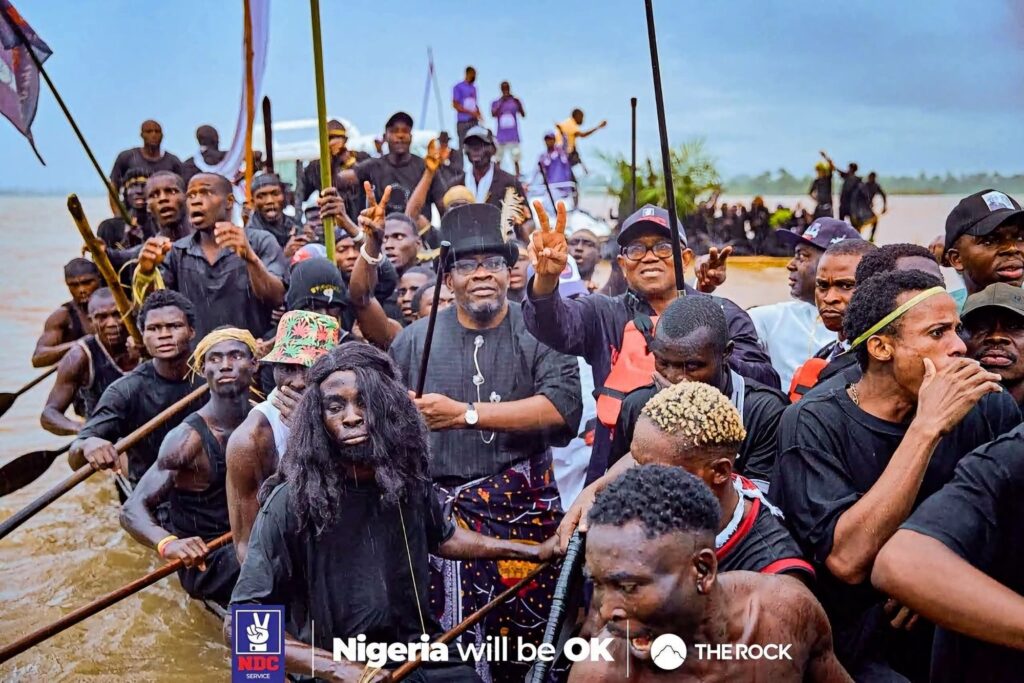
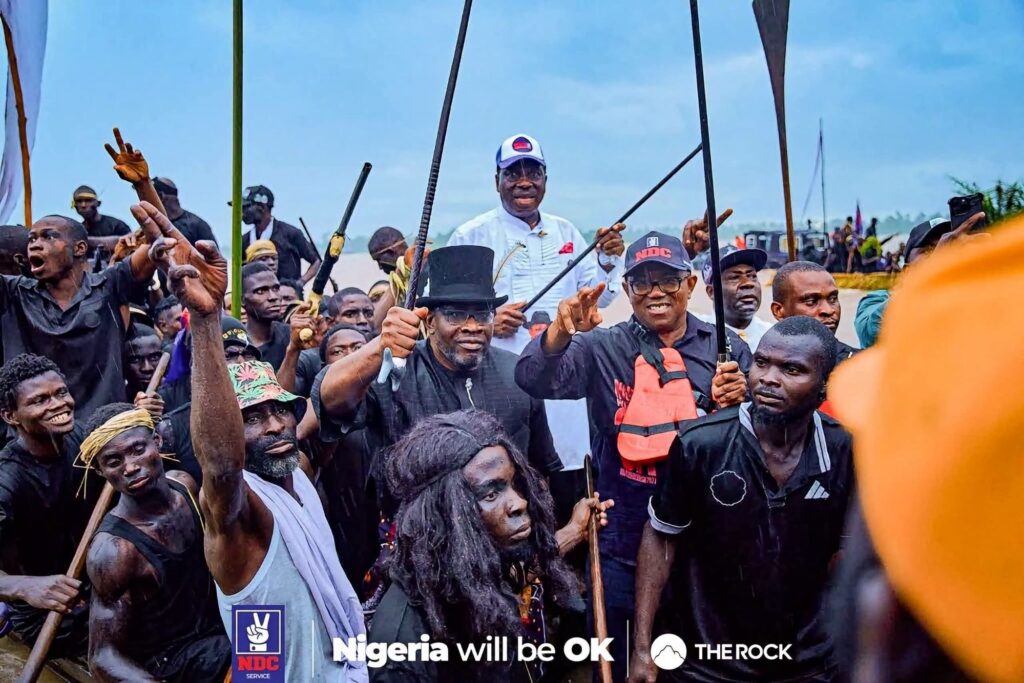
The visit also featured a traditional canoe display and boat regatta in Toru-Orua, Dickson’s hometown in Sagbama Local Government Area. Obi joined Dickson and other participants in the cultural event, which highlighted the significance of waterways and traditional practices in the host community.
The regatta added a cultural dimension to the political gathering, bringing party engagement into a setting closely associated with the identity and livelihoods of many communities in the Niger Delta.

At the conclusion of the event, Obi congratulated Dickson on his homecoming and commended the party’s national and state leadership, members and residents of Bayelsa for what he described as a successful ceremony and warm reception.
The gathering comes as political parties and their leaders intensify engagement with supporters ahead of the 2027 general elections. Obi’s remarks place presidential accessibility, regional infrastructure and the economic prospects of the Niger Delta among the issues likely to feature prominently in the emerging political debate.
While Obi’s proposals offer a broad outline of his priorities, their practical impact would depend on how they are translated into funded, time-bound projects and measurable outcomes. For Bayelsa residents, the central question will be whether promises of improved port infrastructure, healthcare, education and security can produce lasting improvements in their daily lives.
Obi ended his message with an expression of optimism about Nigeria’s future, declaring that a new Nigeria was possible and that the country would be all right.