
The Gateway Deep Seaport is a privately backed investment built around geography, industrial capacity and maritime logistics — not ethnic allocation, proponents argue

The proposed $7 billion-plus Gateway Deep Seaport and Ogun State Blue Marine Special Economic Zone have become the subject of a political and ethnic debate, despite the project being structured around a partnership between the Ogun State Government and global ports operator DP World.
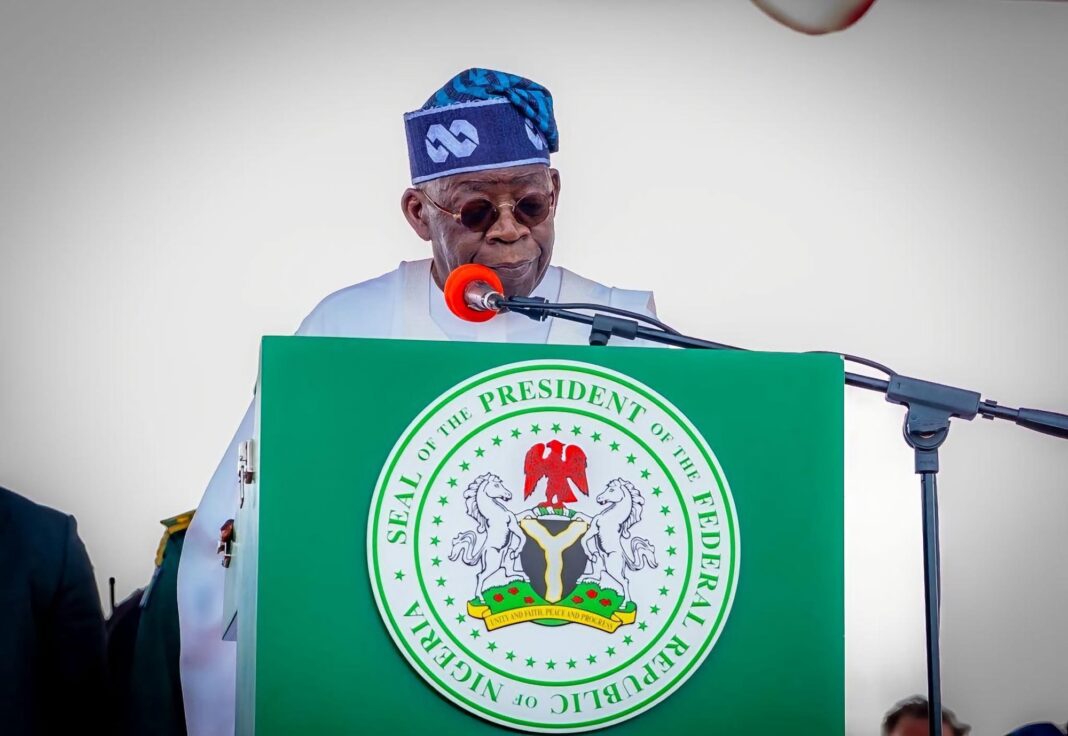
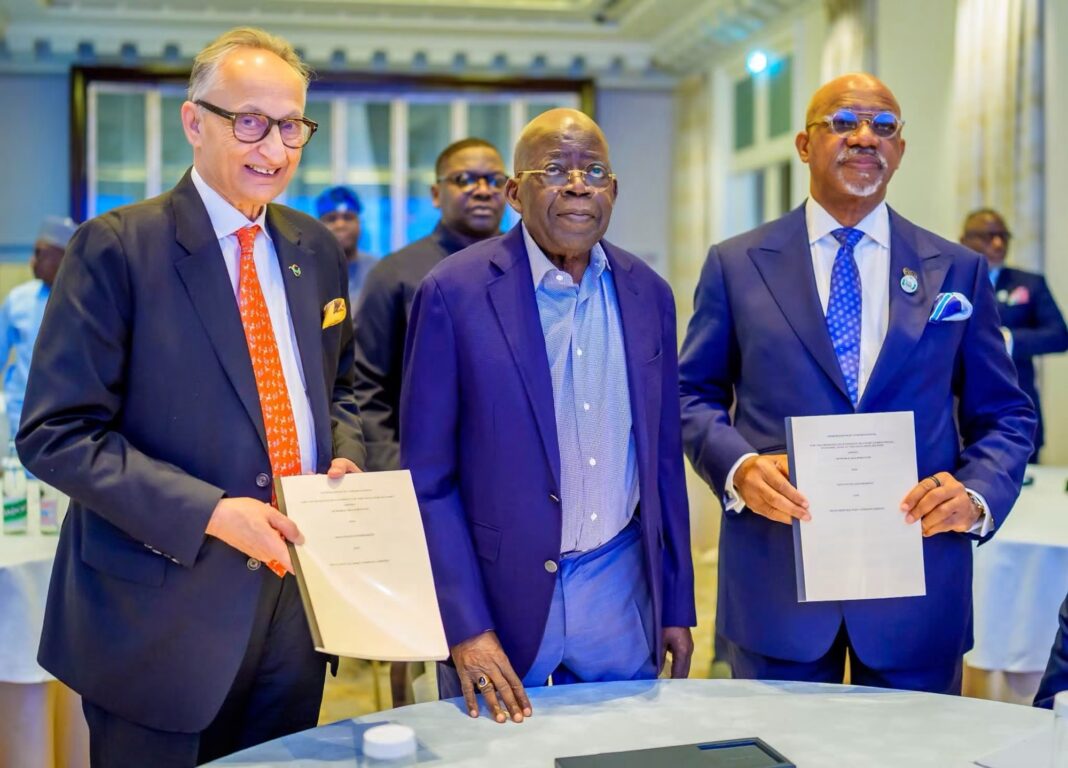
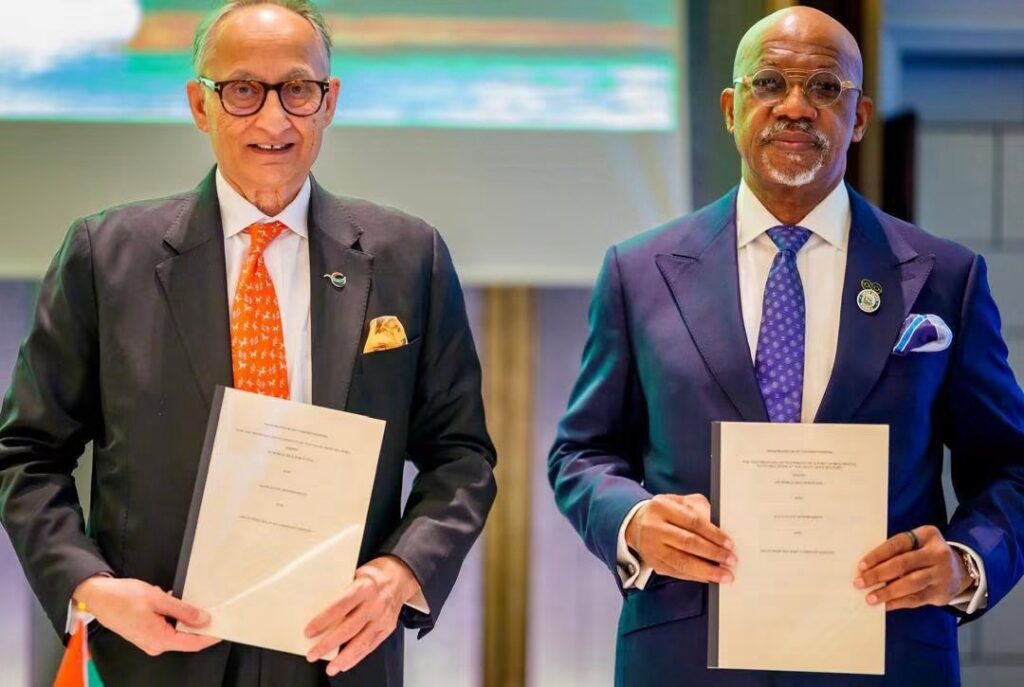
The agreements were signed in Paris on September 24, 2026, in the presence of President Bola Ahmed Tinubu, with the projects expected to attract an initial investment of more than $7 billion and create more than 50,000 direct jobs when fully developed.
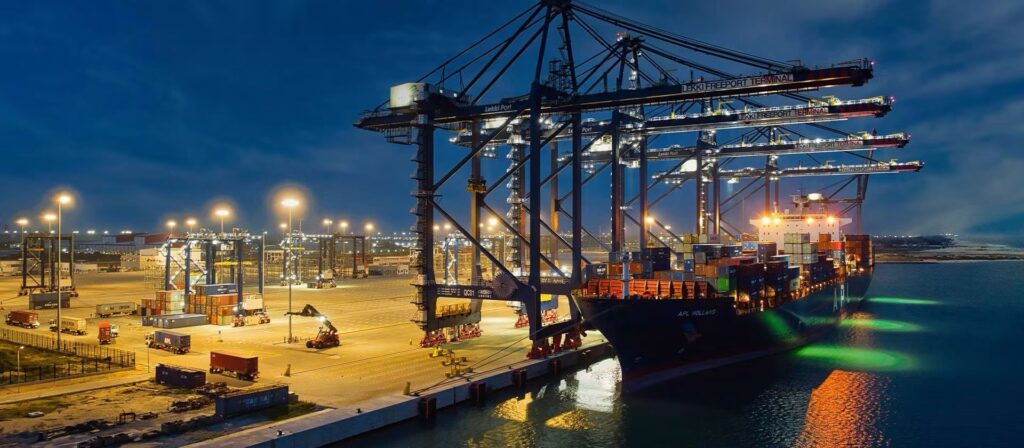
The proposed seaport will feature a four-kilometre berth and an 18-metre draft, while the Blue Marine Special Economic Zone is planned across 10,000 hectares.
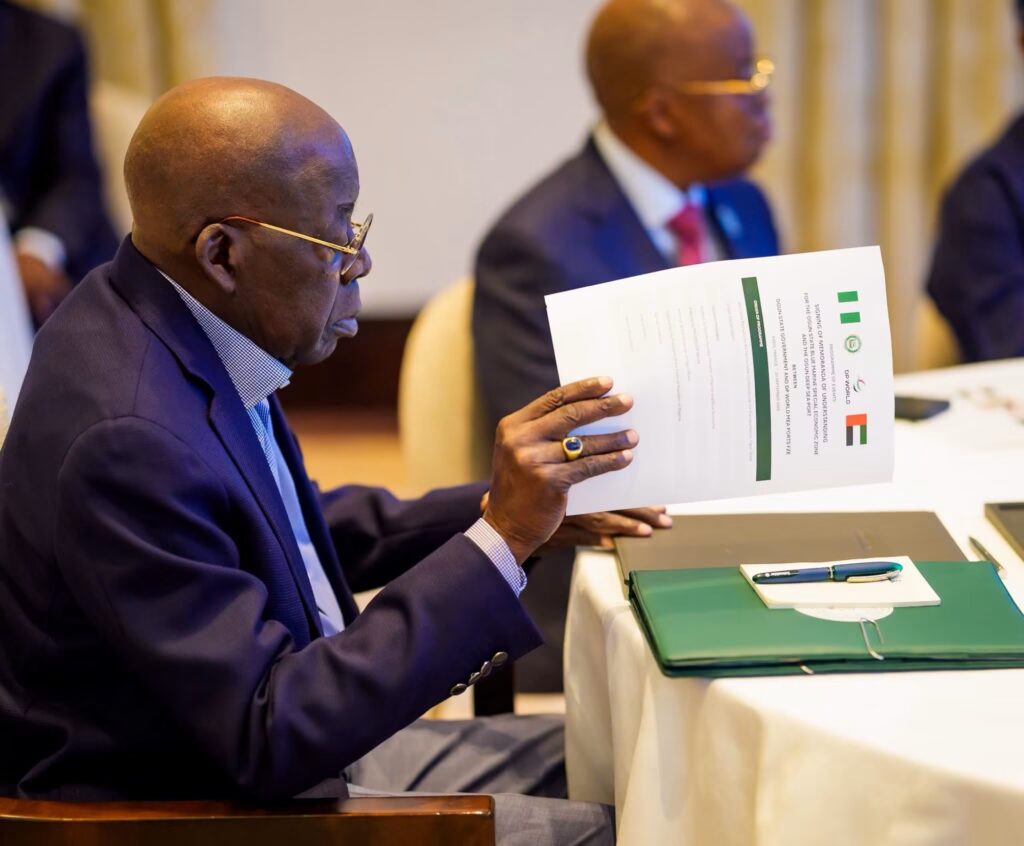
President Tinubu, who witnessed the signing, assured investors that the Federal Government would provide regulatory clarity, policy stability and institutional support needed to move the projects from agreement to implementation.
At the centre of the debate is the question of why Ogun Waterside was selected for such a major maritime investment.
The answer, according to the project’s proponents, begins with geography.
Deep-sea ports depend on factors including water depth, access to shipping routes, proximity to industrial markets and the cost of connecting cargo to inland destinations. Ogun already has a substantial industrial base and borders Lagos, giving the proposed port access to one of Nigeria’s largest commercial corridors. The state government also promotes its road, rail, air and sea connectivity as a major investment advantage.
The project is therefore being presented not simply as another port, but as part of an integrated industrial corridor.
The Blue Marine Special Economic Zone is expected to accommodate manufacturing and processing activities, with imported inputs converted into finished products and Nigerian raw materials processed for export.
President Tinubu described the relationship between the port and the economic zone as complementary, arguing that while the port would move cargo, the integrated zone could help create a wider industrial ecosystem.
The Federal Government says it will facilitate road, rail and power connectivity while strengthening investment security and reducing bureaucratic obstacles.
The proposed port is also expected to ease pressure on the Apapa and Tin Can Island port corridors by providing additional deep-water capacity for larger vessels and creating another route for importers and exporters.
Officials say the project could help reduce congestion, delays and logistics costs while strengthening Nigeria’s position as a trading hub for the African Continental Free Trade Area.
The argument that the project represents preferential development for one region has nevertheless gained traction in some political commentary.
Supporters of the project reject that interpretation, arguing that the location of infrastructure does not determine who can own businesses, work in the facility or benefit from the resulting supply chains.
They point instead to Nigeria’s wider maritime infrastructure plans, which include ports and maritime investments outside the South-West.
The broader issue is Nigeria’s longstanding shortage of efficient port capacity and the resulting pressure on existing facilities.
Ogun’s project is being developed within that national context, rather than as a replacement for ports in other parts of the country.
The State House has also framed the investment as part of a wider economic diversification strategy, arguing that Nigeria needs infrastructure capable of supporting manufacturing, logistics and non-oil exports.
The Ogun agreement is currently a Memorandum of Understanding, meaning the project still has to proceed through the required development, financing, regulatory and implementation stages before the proposed investment becomes a fully operational port and economic zone.
For Nigeria, the larger test will therefore be whether the agreement translates into construction, jobs, industrial activity and lower logistics costs.
The debate over where the port is located may continue, but the commercial case ultimately rests on whether the proposed infrastructure can attract cargo, manufacturers and long-term private capital while delivering measurable economic benefits beyond Ogun State.