
Incumbent defeats Oyebamiji by 66,252 votes as Accord wins 19 LGAs and APC takes 11
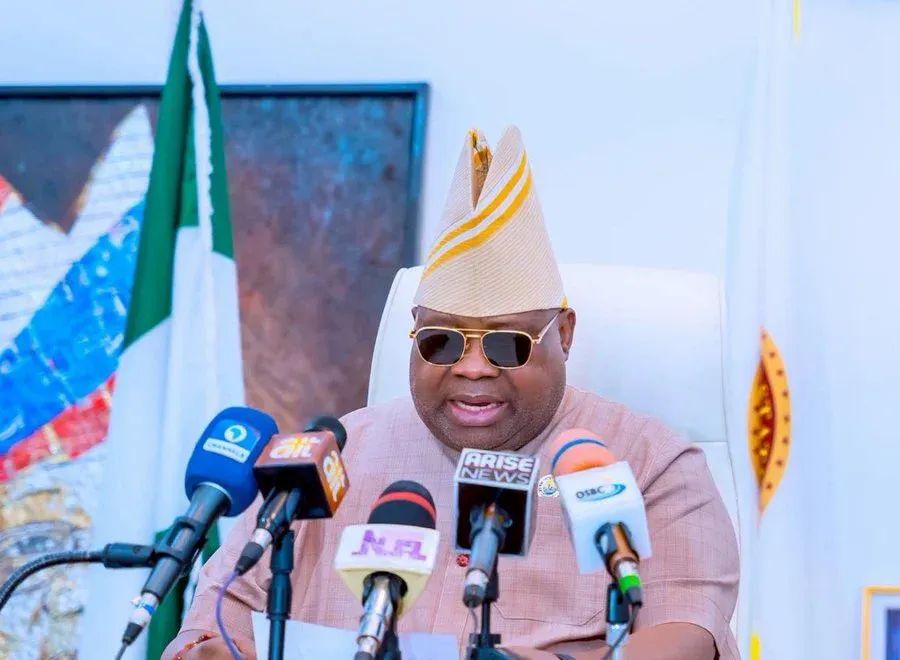
The Independent National Electoral Commission, INEC, has declared Governor Ademola Adeleke of the Accord Party winner of the 2026 Osun State governorship election, ending a fiercely contested poll that had attracted nationwide attention ahead of the 2027 general elections.
Adeleke secured 511,067 votes, defeating his closest challenger, Bola Oyebamiji of the All Progressives Congress (APC), who scored 444,815 votes. The margin between the two major contenders stood at 66,252 votes.
The African Democratic Congress (ADC) candidate, Najeem Salaam, finished a distant third with 17,180 votes.
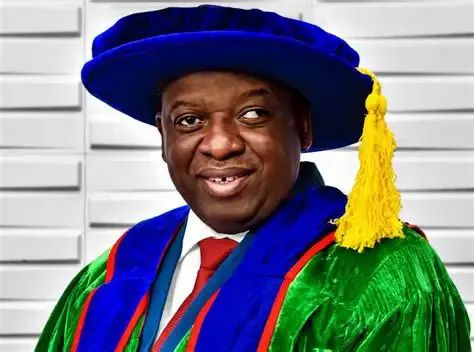
The final declaration was made on Sunday, August 16, 2026, after results from all 30 Local Government Areas had been collated at the state collation centre. Professor Joshua Olalekan Ogunwole, the Returning Officer for the election, formally declared Adeleke elected after the final figures were presented.
The result gives Adeleke another four-year term in office and represents a major political victory for the incumbent, who has now successfully defended his position against a strong APC challenge.
Adeleke won 19 of Osun’s 30 LGAs, while Oyebamiji secured 11 LGAs, showing that although the APC maintained significant areas of strength, it could not produce enough votes to overturn the incumbent’s advantage across the state.
The result also puts the scale of the contest into clear perspective. The APC candidate was able to maintain a strong challenge in several areas, but Adeleke’s performance in key parts of the state gave him the overall advantage.
Among the areas where Adeleke recorded strong margins were Ede North and Ede South, where he produced particularly large vote differences. He also recorded significant victories in places including Osogbo, Iwo, Ife East and Egbedore.
The election therefore did not end with a narrow technical victory. Adeleke finished with more than half a million votes and a margin of more than 66,000 over his nearest challenger.
The outcome is also significant because of the political realignments that took place before the election. Osun’s political landscape had witnessed defections, legal disputes, internal party struggles and intense competition between the major political forces.
The contest was closely watched because of its possible implications beyond Osun State. With Nigeria already moving towards the 2027 political season, the election was widely seen as an important test of the strength of the APC and opposition forces in the South-West.
For the APC, the defeat will raise fresh questions about its ability to take back Osun State despite fielding a candidate with significant political and administrative experience.
Oyebamiji, a former Managing Director of the National Inland Waterways Authority, had entered the race as the APC candidate with the backing of the party structure. The party had presented the election as an opportunity to replace the Adeleke administration.
But the figures announced by INEC show that the APC campaign was not enough to dislodge the incumbent.
Adeleke’s victory equally comes after months of political tension surrounding the election. Political actors from different camps had campaigned aggressively across the state, while security agencies warned politicians and their supporters against violence and inflammatory statements.
The police had earlier invited Senator Francis Fadahunsi for questioning over alleged inciteful comments, with the Osun State Police Command warning political actors to exercise restraint and avoid statements capable of creating tension ahead of the election.
Despite those concerns, the final result has now been declared, placing the responsibility on all political actors to respect the outcome and pursue any grievances through the appropriate legal channels.
The election also exposed the growing importance of electoral transparency and party-agent participation in Nigeria’s elections.
Before the final declaration, ADC candidate Najeem Salaam had raised concerns over the alleged non-recognition of some of his party’s agents at polling units across parts of the state. Salaam claimed that although the names of the agents had been uploaded through the INEC platform, some allegedly encountered problems obtaining the necessary tags to monitor the process.
The ADC candidate said the problem affected several local government areas and that the matter had been reported to the relevant authorities.
Such complaints are important because party agents play a key role in observing voting, counting and the recording of results at polling units.
The controversy, however, did not stop the overall collation from proceeding to the final stage.
The final declaration by INEC has now officially settled the electoral process at the commission level, although Nigerian election history shows that defeated candidates and political parties may still challenge results through the courts where they believe electoral laws were violated.
For Adeleke, the immediate political message is clear: the voters who participated in the election have given him another mandate.
His victory also means that the governor will remain in control of Osun’s government as the country moves closer to the 2027 general elections.
The political significance of Osun cannot be ignored. The state remains one of the important battlegrounds in the South-West, and the performance of the major parties in the election will likely influence strategies for the next general election.
The APC’s 444,815 votes, however, show that the party remains a major force in the state. Despite losing the governorship, Oyebamiji’s performance demonstrates that the opposition party has a substantial electoral base and can compete strongly across several LGAs.
The difference between the two candidates was substantial but not enough to suggest that the APC has been completely pushed out of the political contest in Osun.
For the Accord Party, the election represents a major breakthrough in retaining the state under Adeleke’s leadership.
Adeleke originally won the Osun governorship in 2022 and has now secured another term, giving him additional time to implement his policies and consolidate his administration.
The result has also triggered celebrations among Adeleke’s supporters in different parts of the state, particularly in Osogbo and Ede, according to reports following the declaration.
But beyond the celebrations, the real test begins now.
The governor will have to turn the electoral victory into stronger governance and convince residents who did not support him that his second term will deliver on the promises made during the campaign.
For the APC, the challenge is equally serious. The party must study the results carefully, identify where its campaign fell short and decide how to rebuild its structure ahead of the 2027 elections.
The third-place finish by Najeem Salaam and the ADC is another major talking point. With 17,180 votes, the party was unable to seriously challenge the two leading candidates, but its participation added another dimension to an election that had already been dominated by the Accord-APC contest.
Professor Ogunwole, who formally announced the final result, is Vice-Chancellor of the Federal University Oye-Ekiti and an academic with a background in soil science and university administration. He was responsible for presenting the aggregate results from the 30 LGAs before returning Adeleke as the winner.
His declaration brought the long electoral process to its formal conclusion.
The final figures tell the story plainly: Adeleke 511,067; Oyebamiji 444,815; Salaam 17,180.
The incumbent has won another term.
The APC has lost another opportunity to take control of Osun.
And with 2027 now firmly on the political horizon, Osun’s latest election will be studied closely by political parties across Nigeria as they prepare for another major battle at the ballot box.
For now, however, the mandate belongs to Ademola Adeleke.
Osun has voted. INEC has declared. Adeleke remains governor for another four years.