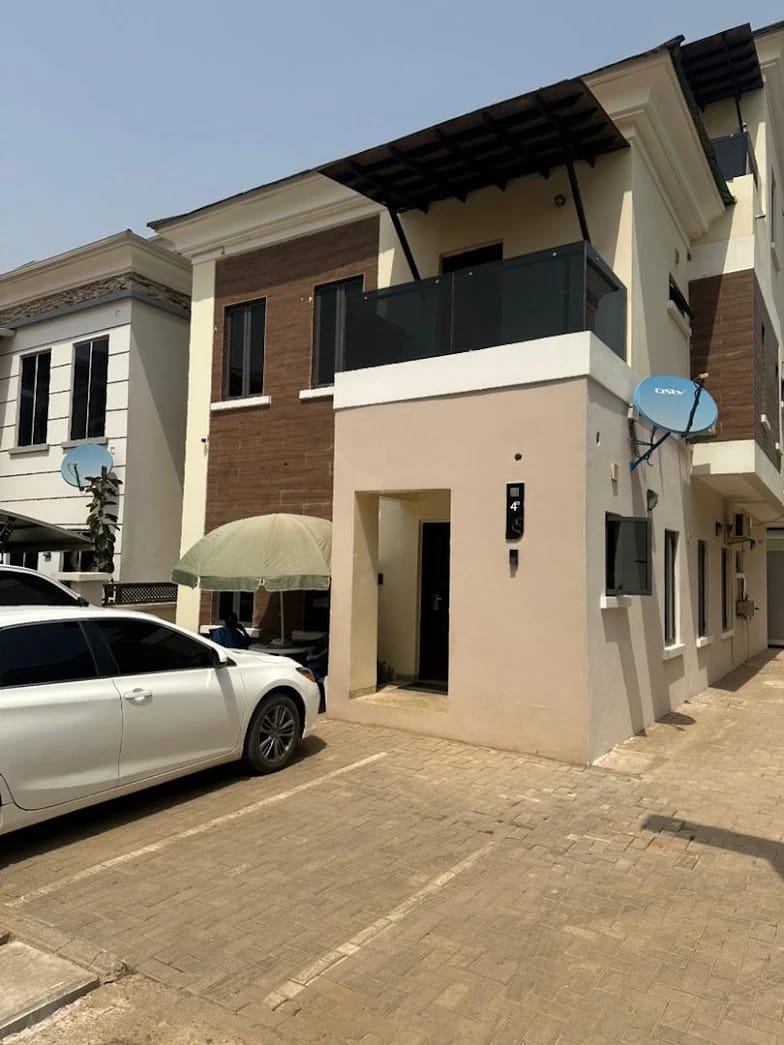

Housing Expert Calls for Easier Land Access, Mortgage Reforms and Sustainable Financing to Bridge Nigeria’s Housing Deficit

A housing expert and developer, Tpl. Fanda Zichat Augustine, has called for stronger collaboration between government and private sector developers to tackle Nigeria’s housing deficit, saying affordable housing can only be achieved through deliberate policy reforms, improved access to land and sustainable financing.
Speaking during a television interview on the state of housing in Nigeria, Augustine said affordable housing should not be mistaken for cheap buildings but rather the provision of quality, decent and accessible homes for ordinary Nigerians.
He described housing as one of humanity’s basic needs, stressing that every Nigerian deserves safe and sustainable shelter.
Augustine identified limited access to land, rising construction costs, inconsistent government policies and weak trust within the real estate sector as major factors driving the country’s housing challenges.
According to him, transparent and efficient land administration is essential to reducing housing costs, noting that easier access to land would encourage more investment in mass housing.
He also urged governments to simplify land allocation processes so that qualified applicants can obtain land titles without unnecessary delays.
The developer explained that private firms often bear the cost of providing roads, electricity, drainage systems and other essential infrastructure required to make housing estates livable, adding that developers frequently perform functions similar to those of local governments.
Augustine called on government to create an enabling environment by providing critical infrastructure and implementing policies that encourage credible developers to invest in affordable housing projects.
He further advocated reforms to Nigeria’s mortgage financing system, arguing that existing equity contribution requirements make home ownership difficult for many civil servants and low-income earners.
He also recommended tax incentives for developers investing in affordable housing, saying such measures would encourage greater private sector participation in providing homes for low- and middle-income families.
Drawing lessons from countries such as Singapore, Augustine urged Nigeria to adopt long-term urban planning strategies that integrate housing with schools, hospitals, markets, transportation networks and other public facilities to build sustainable communities.
He added that expanding access to affordable housing and basic infrastructure would help reduce social inequality, improve living standards and strengthen national security.
Augustine called on policymakers, financial institutions and private developers to work together to implement practical solutions capable of narrowing Nigeria’s housing deficit and making home ownership more accessible to millions of Nigerians.