
By Ohimai Esezobor, Benin City
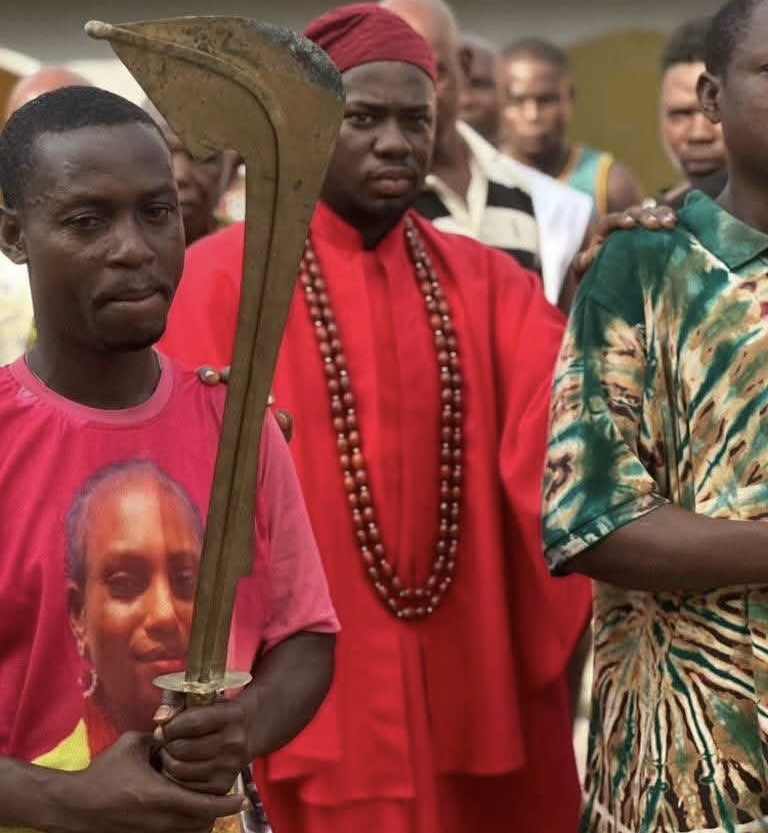
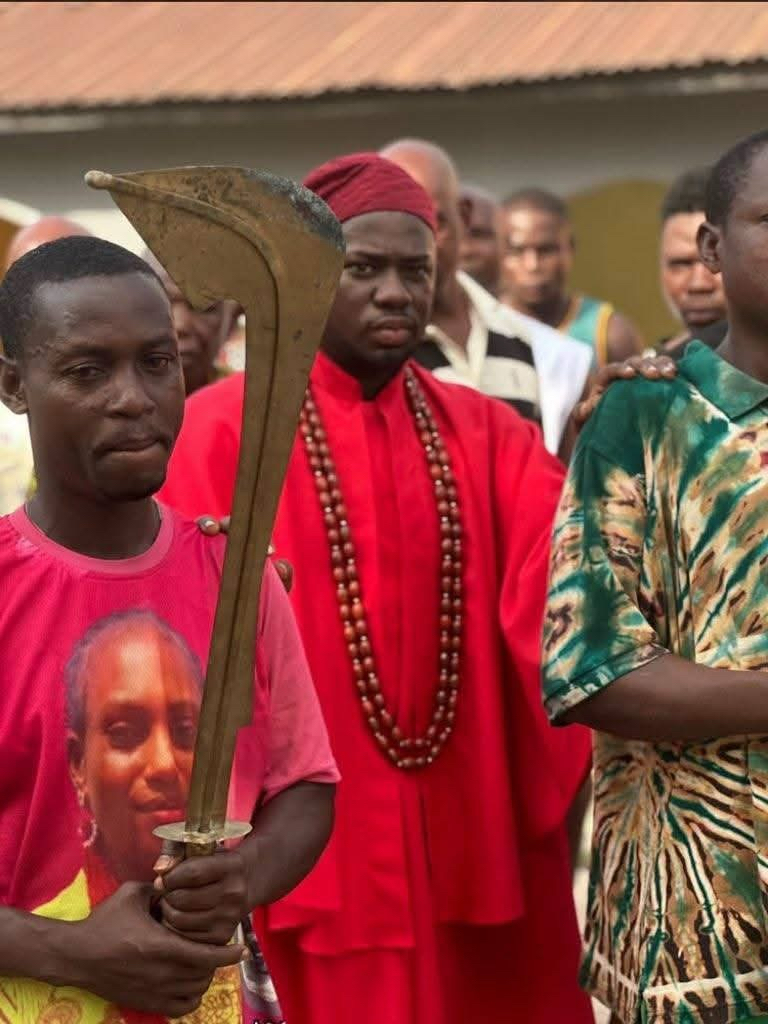
The history of Okeluse in present-day Ondo State carries a fascinating connection to the ancient Benin Kingdom, one that reflects centuries of migration, cultural exchange, traditional authority and the enduring influence of Edo heritage in communities beyond the geographical boundaries of present-day Edo State.
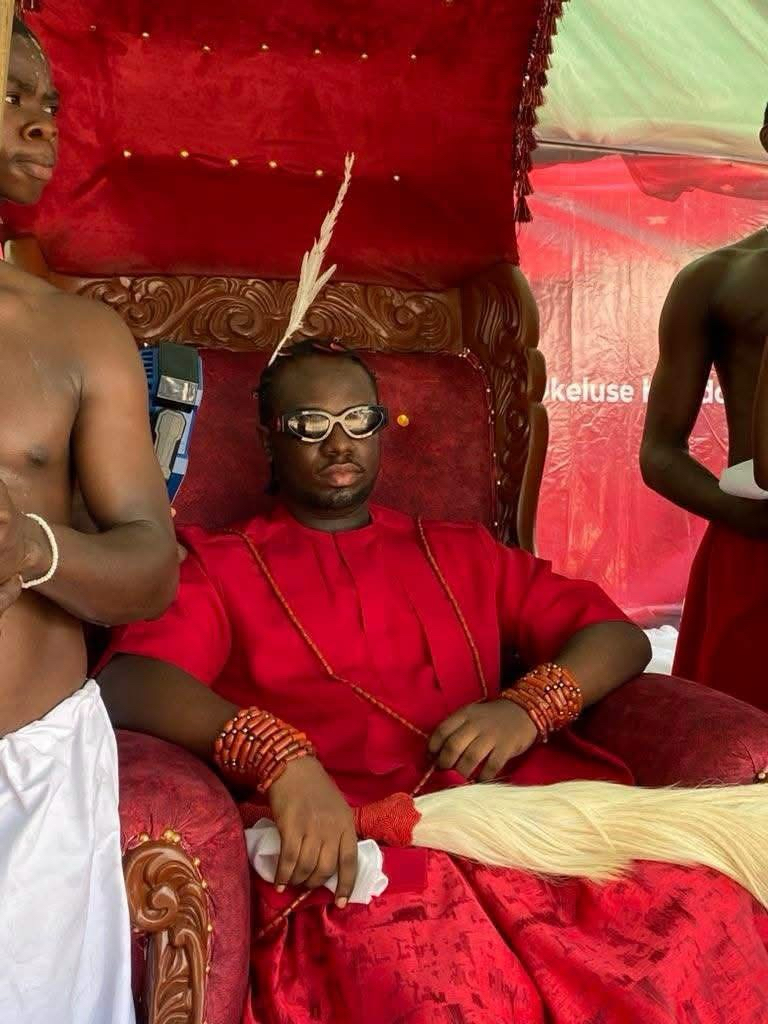
At the centre of this historical account is the Ezima, now known as the Ojima of Okeluse, and the Oyeru family, whose ancestral traditions trace their roots to Orior in the Benin Kingdom.
According to the oral history preserved by descendants of the Oyeru family, the Ezima of Okeluhen became the Ojima of Okeluse, occupying a prominent position in the traditional history of the community. The Ezima is regarded as the head individual of the Oyeru family in the Benin Kingdom and, by extension, within the royal family of Okeluse.
This relationship provides an important window into the historical connections between Okeluse and Benin, particularly the movement of people, titles, language and royal traditions across communities that today fall within different states and ethnic classifications.
The Oyeru Genealogy: A Living History in Edo Language
One of the most remarkable aspects of the Oyeru family tradition is its ancestral greeting, preserved in Edo language and passed from one generation to another.
The term Oyeru is explained within the family’s oral tradition as an Edo expression referring to someone who does things in abundance.
When descendants of the Oyeru family call out “Layeru”, the response is not merely a greeting. It is a recitation of ancestral identity, genealogy, prestige and historical connections.
The response begins:
“Oyeru n’Ovbi Aken” — Oyeru, the son of Aken.
“Aken n’zuwa vbe Oba” — Aken, the man who controls wealth like the Oba.
“ Ovbi Ezima n’Okeluhen n’kpema Rrie Awo” — The son of Ezima of Okeluhen, associated with the tradition of eating yam at the mashed-oil festival.
The family tradition further associates the palm trees with the wealth and authority of the Ezima, reflecting the historical importance of palm produce and economic prosperity in the Benin royal tradition.
Another section of the ancestral recitation declares:
“Ovbi Etebo nọ yan Orior” — The son of Etebo, the lord of Orior.
This is particularly significant because the family interprets it as evidence that the earliest Ezima originated from Orior, a community in the Benin Kingdom.
The recitation continues:
“Èno yhi khi negbe yha gie eni má Òbá” — The noble Ezima who likened himself to an elephant before the Oba.
And:
“Ọ vbé Òbá gha mié’o ihoé ẹni” — If the Oba sees him, there is no need to think of an elephant.
Within the family’s interpretation, these expressions celebrate the wealth, dignity and exceptional standing of the ancestral Ezima in relation to the Benin royal court.
The greeting therefore serves as more than a cultural expression. It is an oral archive through which the family preserves its ancestry and understanding of its historical position.
From Orior to Okeluse: The Question of Ancestral Authority
The Oyeru family’s account identifies Orior as its ancestral homeland and traces the Ezima lineage to Etebo and Aken.
According to the tradition, the Ezima eventually became more prominent in the family’s ancestral structure than Etebo of Orior, just as the Iyase is associated with the leadership of the Lagiewan family, while the Enogie of Iguogbe has a recognised position within its own traditional greeting and lineage structure.
This distinction is important in understanding how traditional authority, family leadership and ancestral recognition can evolve over generations.
The Oyeru tradition maintains that the prominence of the Ezima in Okeluse became central to the family’s identity, even as its historical roots remained connected to Orior and the Benin Kingdom.
Edo Language and the Historical Identity of Okeluse
The Edo linguistic connection is another important dimension of Okeluse’s history.
According to the family’s account, the people of Okeluse once spoke Edo, and traces of the language remain noticeable in expressions and vocabulary associated with the community’s Yoruba language.
This claim finds a broader historical context in the scholarship of Professor S. A. Akintoye, particularly his 1969 work, The North Eastern Districts of the Yoruba Country and the Benin Kingdom.
Akintoye examined the historical relationships between Benin and the northeastern Yoruba communities, including Owo, Akoko and Ekiti, drawing attention to the importance of Benin’s historical connections with these territories.
Other historical research has also identified Edo communities and settlements in the wider Owo region, including Okeluse.
These connections demonstrate that the historical boundaries of political kingdoms, cultural communities and language groups were not always the same as today’s administrative boundaries.
The relationship between Benin and neighbouring Yoruba communities involved migration, trade, diplomacy, political influence and cultural exchanges over several centuries.
The Oba of Benin and the Ojima Throne
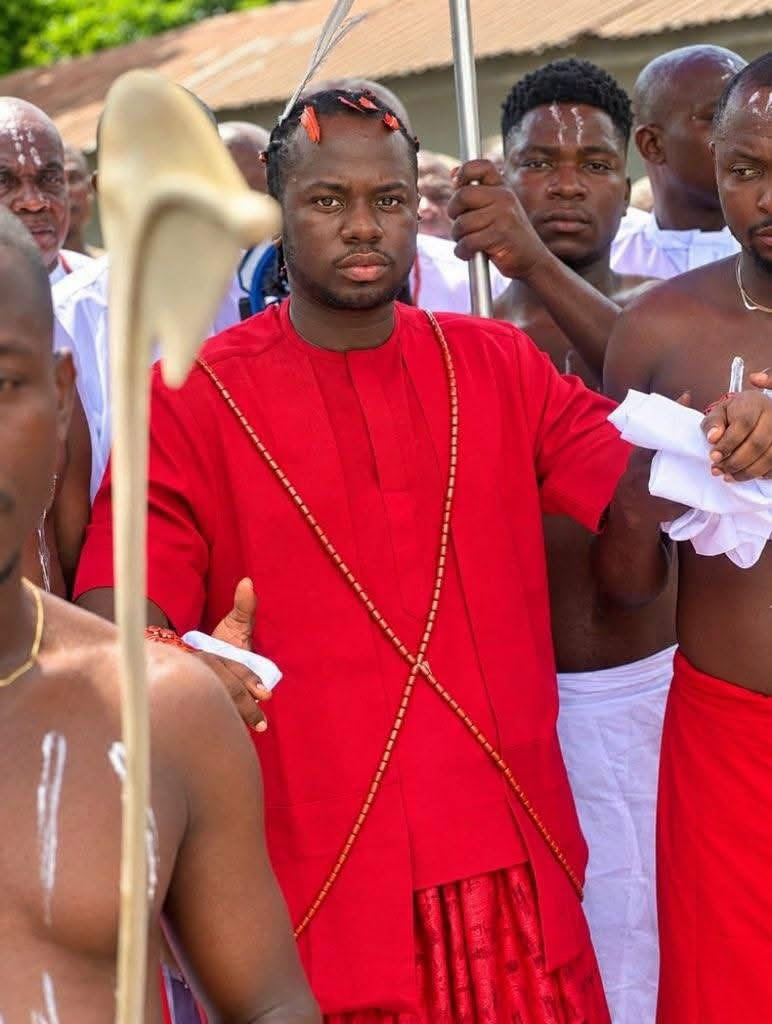
Perhaps one of the most striking traditions preserved in the Oyeru family’s account concerns the death of an Ojima of Okeluse.
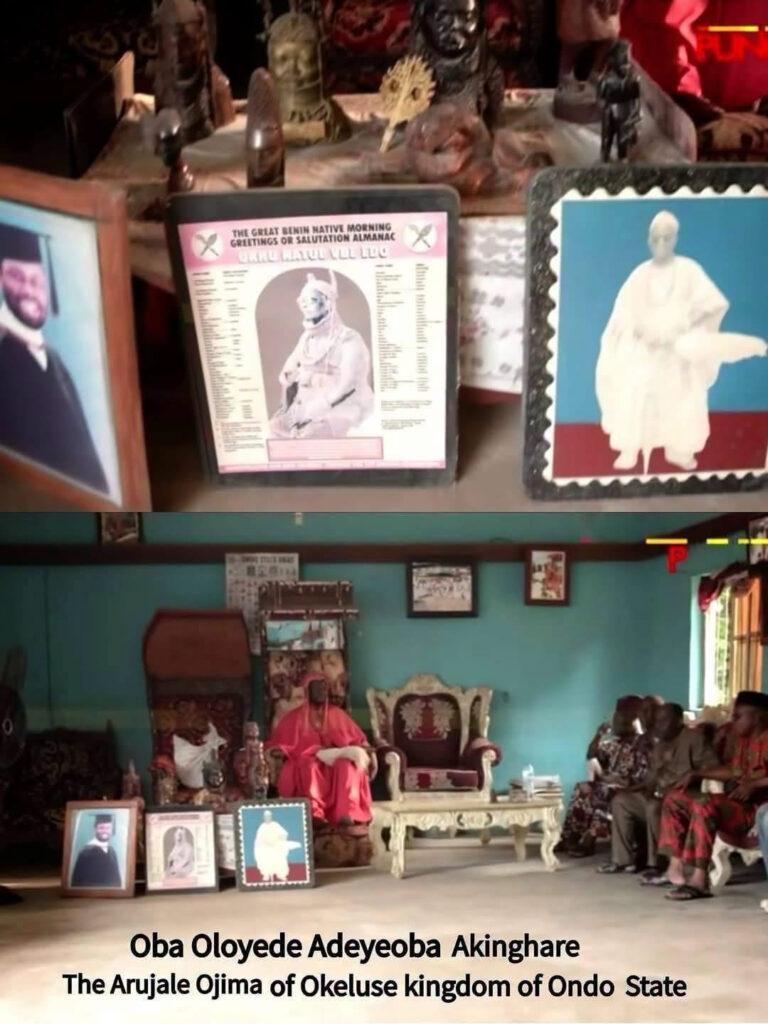
According to the oral tradition, when an Ezima, now known as Ojima, passes away, a portrait or bronze representation of the Oba of Benin is placed on the royal throne pending the coronation of a successor.
The practice is reportedly still observed in Okeluse.
If independently documented, this would represent an important example of the survival of Benin royal symbolism within a traditional institution located outside present-day Edo State.
It also raises important historical questions about the nature of the relationship between the Ojima institution and the Benin royal court, including the origins and continuity of the practice.
The tradition deserves proper documentation through interviews with the Ojima, palace chiefs, Oyeru family elders and historians familiar with Okeluse’s royal institutions.
A Heritage Worth Documenting
The story of Okeluse and the Oyeru family illustrates why the history of the Benin Kingdom cannot be examined solely within the geographical boundaries of Edo State.
Across neighbouring communities, historical migrations and political relationships left behind traditions that continue to shape family identities, royal institutions, language and cultural practices.
For the Oyeru family, the ancestral greeting remains a powerful expression of identity. Through the names of Oyeru, Aken, Ezima and Etebo, the family preserves a genealogy that connects Okeluse to Orior and the Benin Kingdom.
The story also deserves wider academic attention, particularly through linguistic research, oral-history documentation and comparative studies of traditional institutions in Okeluse and Benin.
History is not preserved only in written books and museum collections. It also survives in ancestral greetings, royal customs, family traditions and the memories of elders.
The Oyeru heritage is one such tradition — a reminder of the deep historical and cultural connections that link Okeluse in present-day Ondo State to the ancient Benin Kingdom.