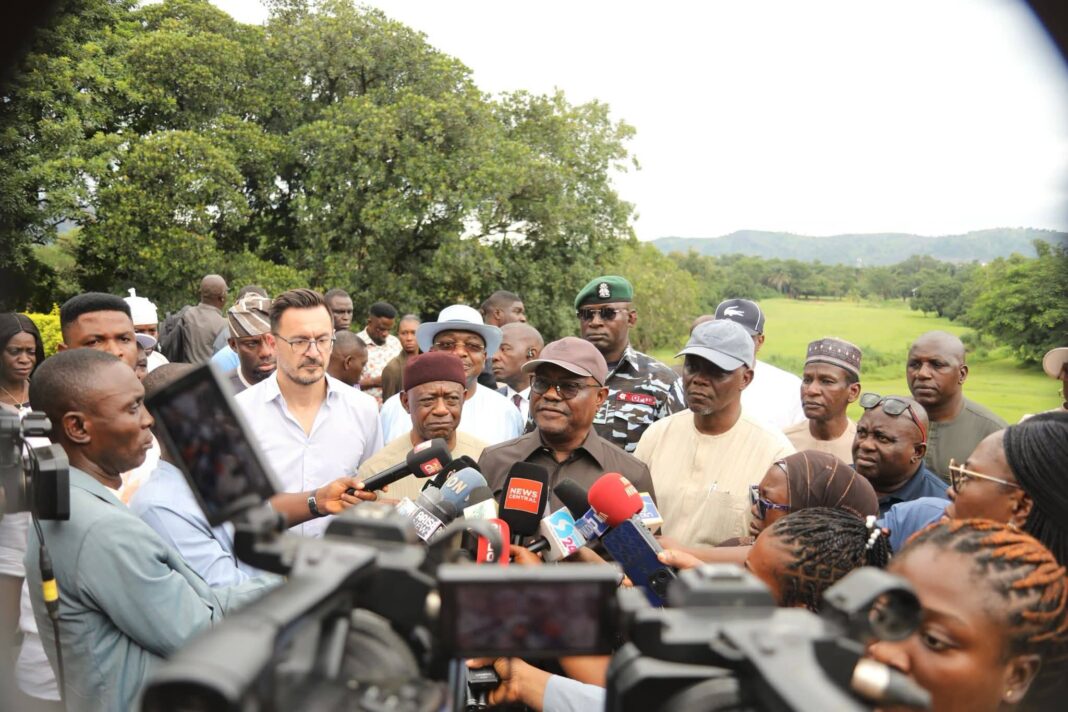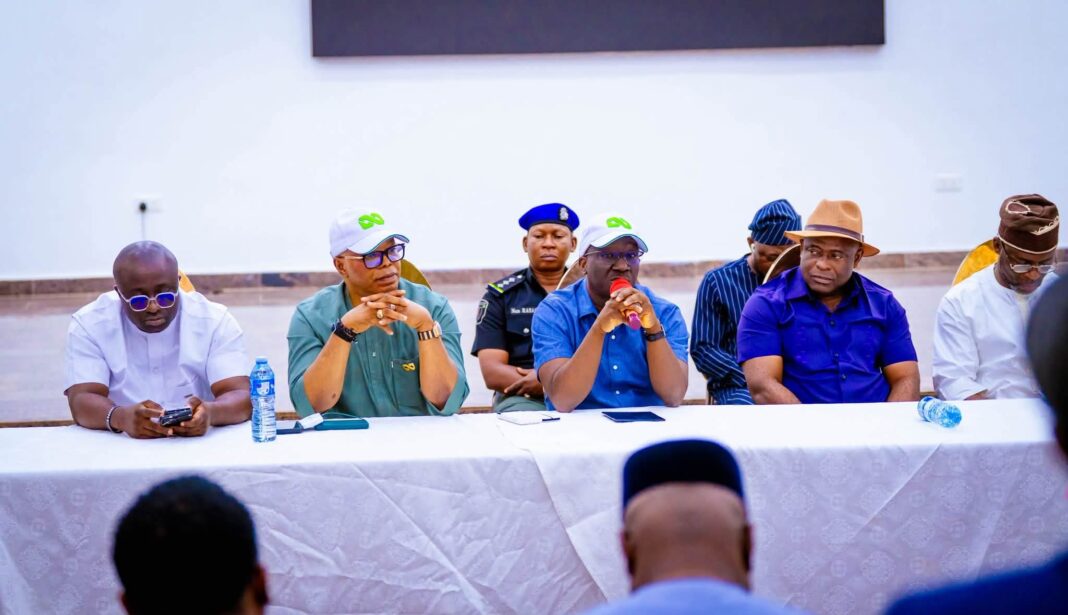

FROM RING ROAD TO BENIN-AUCHI HIGHWAY, RESIDENTS ASK: IF EDO IS REALLY SHINING, WHY ARE THE ROADS STILL THIS BAD?
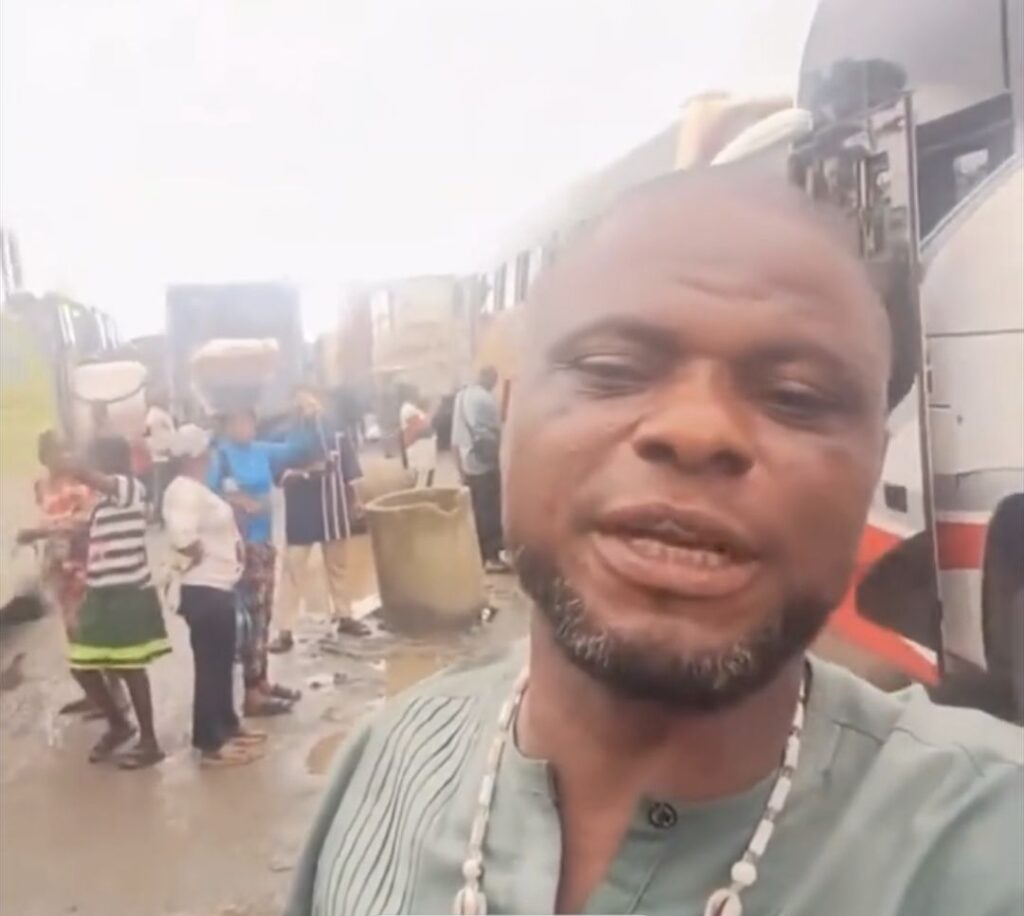
The political slogan says “Edo is shining.” But across Benin City, an increasing number of residents and motorists are asking a very different question: shining where?
The condition of some major roads in and around Benin City has triggered fresh concerns over infrastructure, public spending and the actual state of development in Edo State.
From the Ring Road to several GRA roads, and from the major highways linking Benin City to Lagos, Agbor, Sapele, Effurun, Auchi and Abuja, road users are complaining about bad sections, potholes, traffic, delays and difficult driving conditions.
For many residents, the problem is no longer something they can ignore.
They see it every day.
They drive through it every day.
They spend money repairing vehicles because of it.
They lose valuable hours on the roads because of it.
And now they are asking government a simple question: what exactly is being done?
The controversy is particularly political because the condition of Edo’s roads was one of the major issues used by the political opposition during the campaigns that brought the administration of Governor Monday Okpebholo to power.
The present administration, led by Senator Monday Okpebholo, campaigned heavily on the need to change the direction of governance in Edo State and improve infrastructure.
That campaign created expectations among many residents who believed the change of government would bring visible improvements to roads and other basic infrastructure.
But with complaints now coming from different parts of Benin City, the government is facing a basic test of leadership: can the administration deliver the infrastructure improvements it promised?
The issue is not simply about politics.
It is about what citizens see when they leave their homes.
The Ring Road, one of Benin City’s most important and recognisable roads, has become a major point of concern.
For a city that wants to present itself as a modern commercial centre, the condition of such a strategic road raises serious questions.
The same concern extends to several roads within the GRA axis.
Residents expect major roads in areas that are regarded as important parts of the state capital to be properly maintained. Instead, complaints about damaged roads and difficult driving conditions continue to surface.
And this is where the slogan “Edo is shining” is facing its biggest challenge.
A government can announce projects.
A government can commission projects.
A government can release photographs of projects.
A government can make speeches about development.
But citizens eventually judge government by what they experience.
If the road is bad, the citizen knows.
If the hospital is not functioning properly, the citizen knows.
If the school is in poor condition, the citizen knows.
If transportation becomes more expensive because of bad roads, the citizen knows.
This is why infrastructure is one area where government cannot hide behind public relations for too long.
The situation becomes even more serious when the major highways connecting Benin City to other parts of Nigeria are considered.
The Benin-Lagos road is one of the most important economic routes serving Edo.
Thousands of vehicles use the corridor every day, including commercial buses, trucks, private vehicles and vehicles transporting agricultural and industrial products.
When the road becomes difficult, the consequences are immediate.
Travel time increases.
Fuel consumption increases.
Vehicle maintenance costs increase.
Transport fares can increase.
Goods can become more expensive.
The Benin-Agbor corridor is equally important because it provides a major connection between Edo and Delta states.
The Benin-Sapele-Effurun route is another critical corridor for movement between Edo and Delta.
Then there is the Benin-Auchi-Abuja route, which connects Edo to the northern part of Nigeria and the Federal Capital Territory.
These are not small community roads.
They are major routes used by thousands of Nigerians.
That is why citizens are becoming increasingly impatient with excuses.
For the ordinary motorist, it does not matter whether a particular highway is under federal control or state control.
They simply know that they are travelling on a bad road.
The Federal Government has responsibility for federal highways, while the Edo State Government has responsibility for roads under its control. Relevant local government authorities also have responsibilities within their areas.
But the people are not interested in a blame game.
They want the authorities responsible for each road to act.
If a road belongs to the Federal Government, the relevant agency should explain what is being done.
If it belongs to the state government, the state should explain its plans.
If rehabilitation has been approved, citizens should know when work will start and when it will be completed.
If work is already ongoing, government should show the progress.
That is accountability.
The present controversy is also linked to the political history of Edo’s infrastructure debate.
The Okpebholo administration did not inherit a blank state.
The previous administration of Godwin Obaseki also embarked on several development projects and laid part of the foundation for infrastructure development in Edo.
Whether one supports Obaseki politically or not, that reality cannot simply be erased.
Every new administration inherits projects, problems, debts, infrastructure and policies from the government before it.
The responsibility of a new government is to improve on what it inherited.
That means the present administration must ultimately be judged by its own record.
If the roads were bad under the previous government, citizens have every right to ask whether they are now better.
If they are not better, government must explain why.
This is where political slogans become less important than physical results.
The people of Edo are not asking for perfection.
They understand that roads cannot all be repaired overnight.
They understand that government has limited resources.
They understand that some roads belong to the Federal Government.
But they also expect clear priorities.
They expect the government to identify the worst roads and address them.
They expect proper drainage.
They expect quality construction.
They expect maintenance.
They expect contractors to be monitored.
And they expect public money to be used properly.
Bad roads also have a direct effect on the economy.
A commercial driver whose vehicle is constantly damaged will spend more money on repairs.
A transporter will eventually increase his charges.
A trader transporting food and other goods will factor transportation costs into the final price.
A worker who spends extra hours in traffic loses productive time.
A student travelling to school can be delayed.
A sick person travelling to a hospital can face unnecessary difficulty.
In other words, a bad road is not just a bad road.
It becomes an economic and social problem.
For Benin City, the issue is even more important because the city is strategically located.
Benin serves as a major link between several parts of southern Nigeria and provides access towards the North.
The state capital should therefore have roads that support movement, business and investment.
If the roads connecting the city to other states are in poor condition, the impact goes beyond Edo.
It affects businesses across the region.
It affects travellers.
It affects farmers and traders.
It affects transport companies.
It affects ordinary families.
This is why the growing criticism should not simply be dismissed as political opposition.
Citizens have the right to question government performance regardless of the political party in power.
If the government has done well, it should be able to defend its record with facts.
If roads have been completed, show them.
If billions of naira have been spent, explain where the money went.
If contracts have been awarded, tell the public who received them and when they are expected to finish.
If projects are delayed, explain why.
That is how public confidence is built.
The phrase “Edo is shining” should therefore not become a political shield against criticism.
If Edo is shining, the people should be able to see the light.
They should see it on the Ring Road.
They should see it on the GRA roads.
They should see it on the Benin-Lagos corridor.
They should see it on the Benin-Agbor route.
They should see it on the Benin-Sapele-Effurun corridor.
They should see it on the Benin-Auchi-Abuja road.
And they should feel it in their daily lives.
The people are not asking government to perform magic.
They are asking government to do its job.
They are asking for roads that can be used safely.
They are asking for infrastructure that can support economic growth.
They are asking for leadership that is more interested in results than slogans.
The Okpebholo administration still has time to change the story.
It can make road rehabilitation a clear priority.
It can publish a transparent road map.
It can work with the Federal Government on federal highways.
It can ensure that state roads receive proper attention.
It can engage citizens and explain what is happening.
Most importantly, it can allow the results on the ground to speak for the government.
Because when it comes to infrastructure, propaganda has a short life.
A pothole does not understand propaganda.
A damaged road does not understand political party.
A broken vehicle does not understand campaign promises.
The only thing the citizen understands is whether the road is good or bad.
And for many residents and motorists in Benin City today, the answer remains painfully clear.
The question is no longer whether Edo has a slogan.
The question is whether the slogan matches reality.
EDO IS SHINING — BUT MANY RESIDENTS ARE STILL SEARCHING FOR THE LIGHT.
IBN NEWS stands for fearless reporting, and the questions being raised by citizens deserve answers from those responsible for the roads and infrastructure of Edo State.