
How a 15-minute intelligence operation led to Omar Rezaq’s capture and secret removal from Nigeria
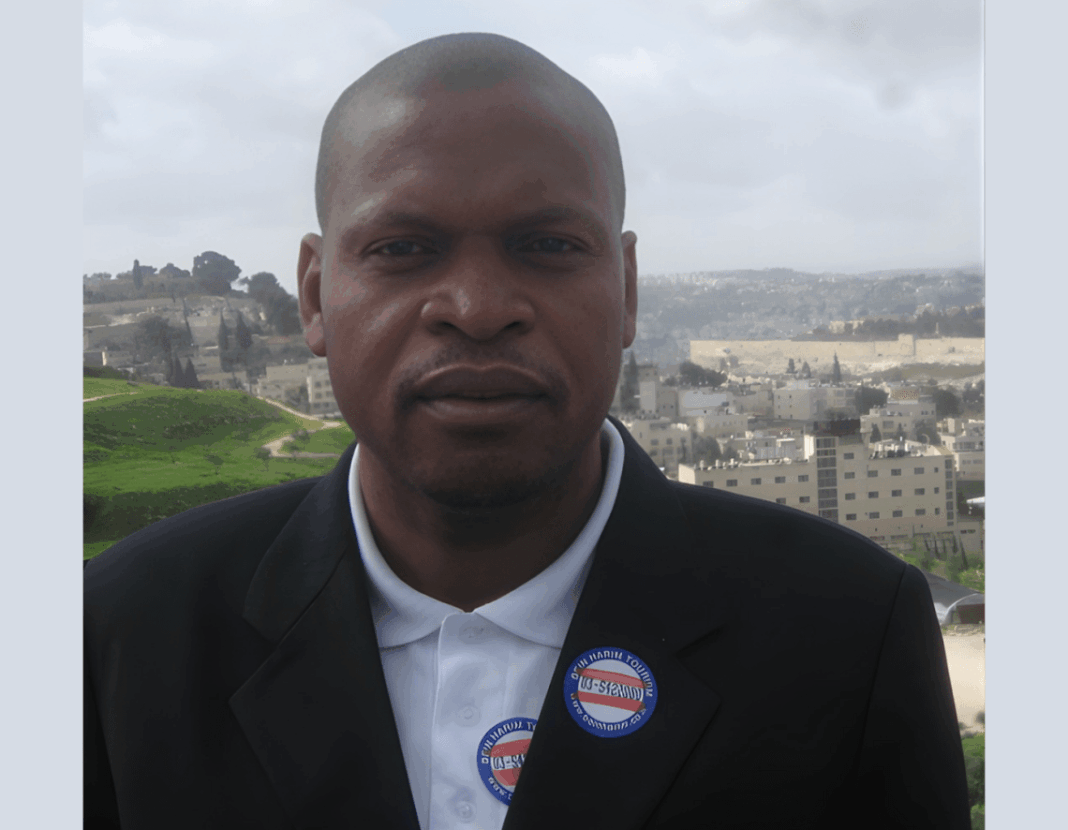
A former Assistant Director of the Department of State Services, Dennis Amachree, has revealed how Nigerian intelligence officials worked with the United States Federal Bureau of Investigation to arrest notorious EgyptAir hijacker Omar Rezaq in Lagos in a highly coordinated operation in 1993.
Amachree disclosed the details in his memoir, DSS @40: My Journey Behind the Shield, where he recounted some of the major operations he participated in during his four decades in Nigeria’s intelligence service.
According to his account, the operation began in July 1993 after he received instructions from Peter Nwaoduah, who was then Director-General of the State Security Service, the agency now known as the DSS.
Amachree said Nwaoduah informed him that a United States Embassy security team would soon arrive and directed him to give the visiting officials full cooperation, although he was initially not told the exact nature of the assignment.
He said that less than an hour later, a team of FBI special agents arrived at his office and disclosed that they were in Nigeria to apprehend Rezaq.
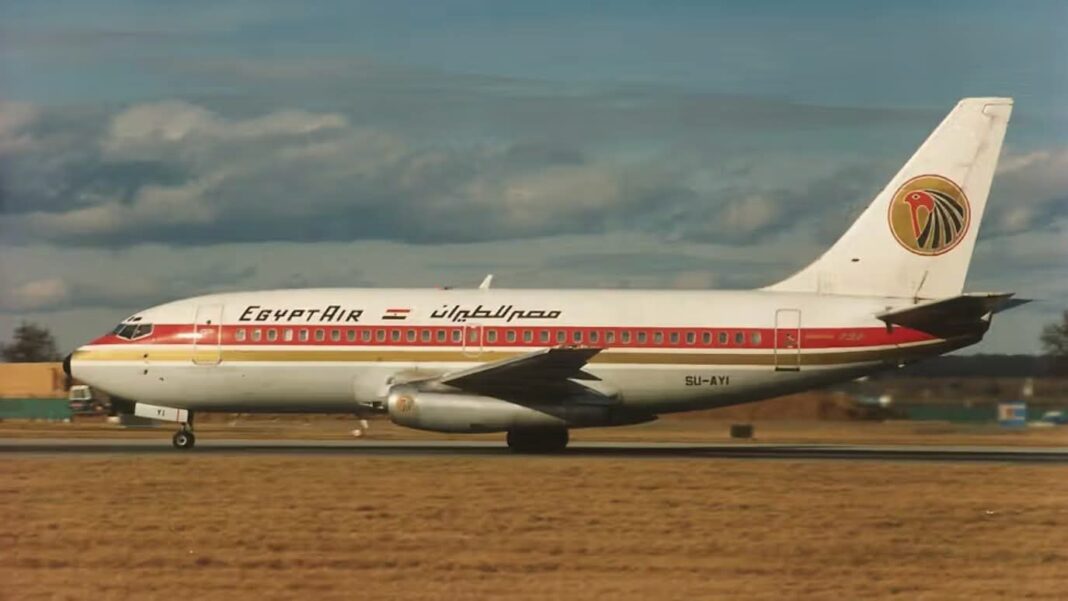
Rezaq, a Lebanese-born militant, had been one of three men involved in the hijacking of EgyptAir Flight 648 in 1985.
The aircraft was seized during a flight from Athens to Cairo before the hijackers diverted it to Malta and later attempted to move it to Libya.
The incident became one of the most notorious aircraft hijackings of the period and resulted in deaths and injuries during the eventual intervention by Maltese security forces.
Years later, Rezaq travelled through West Africa and eventually became the target of a United States operation.
Amachree said the FBI informed him that Rezaq was travelling from Accra, Ghana, to Lagos aboard a Ghana Airways flight that was expected to land at Murtala Muhammed International Airport.
The Nigerian intelligence official said the Americans made it clear that the arrest had to be carried out with maximum discretion because of Rezaq’s history and the potential danger involved.
He immediately began coordinating the Nigerian side of the operation.
Amachree said he assigned one of his officers to accompany the FBI team to the aircraft boarding bridge so they could monitor the arrival of the Ghana Airways flight.
At the same time, he contacted John Ojikutu, who was then the military Airport Commandant.
According to Amachree, Ojikutu responded quickly after being briefed on the sensitive operation and mobilised armed personnel to secure the arrival area.
The security arrangement was designed to prevent any possible resistance or unexpected incident during the arrest.
Amachree also said arrangements were made for a privately chartered FBI Gulfstream IV aircraft to be positioned strategically at the airport.
The aircraft was intended to facilitate the immediate departure of the FBI team and their detained suspect once the operation was completed.
When the Ghana Airways aircraft eventually landed in Lagos, the Nigerian intelligence team moved to intercept Rezaq.
Amachree said he personally intercepted the suspect and completed the handover to the FBI agents.
The Americans then departed Nigeria with Rezaq aboard the chartered aircraft.
The former DSS official described the entire operation as highly coordinated, saying the ground operation from the arrival of the aircraft to the completion of the handover took only about 15 minutes.
The revelation provides a rare account of the level of cooperation that existed between Nigerian intelligence authorities and American security agencies in the early 1990s.
It also highlights Nigeria’s strategic importance as a regional aviation and security hub at the time, particularly Lagos, which served as one of West Africa’s major international gateways.
Rezaq was subsequently taken to the United States, where he was prosecuted.
In 1996, he was convicted on charges including air piracy and was sentenced to life imprisonment.
Amachree further revealed that his role in the operation earned him formal recognition from the American government.
According to his memoir, he received a plaque of commendation from then United States President Bill Clinton for his contribution to the successful operation.
The account offers a glimpse into the often undisclosed work of Nigeria’s intelligence personnel, whose operations frequently involve international cooperation and sensitive security assignments.
It also shows how intelligence gathering, airport security, military coordination and international law-enforcement cooperation can come together in a high-risk operation.
The disclosure comes decades after the arrest and illustrates how some of the country’s most significant security operations remain largely unknown to the public until former officials eventually document their experiences.
Amachree’s account also places Nigeria’s security agencies within the wider international fight against terrorism, aircraft hijacking and transnational crime during a period when international aviation security was facing serious threats.
The former intelligence officer’s recollection is contained in his memoir, which documents his experiences and activities during his long career within Nigeria’s intelligence service.
The operation remains one of the notable examples of Nigeria and the United States working together to apprehend a wanted international suspect on Nigerian soil.
IBN News understands that Rezaq’s eventual conviction in the United States brought the long-running legal consequences of the 1985 EgyptAir hijacking to a close, while Amachree’s newly revealed account provides additional details about the Nigerian role in his capture.