
IBN News | October 27, 2026
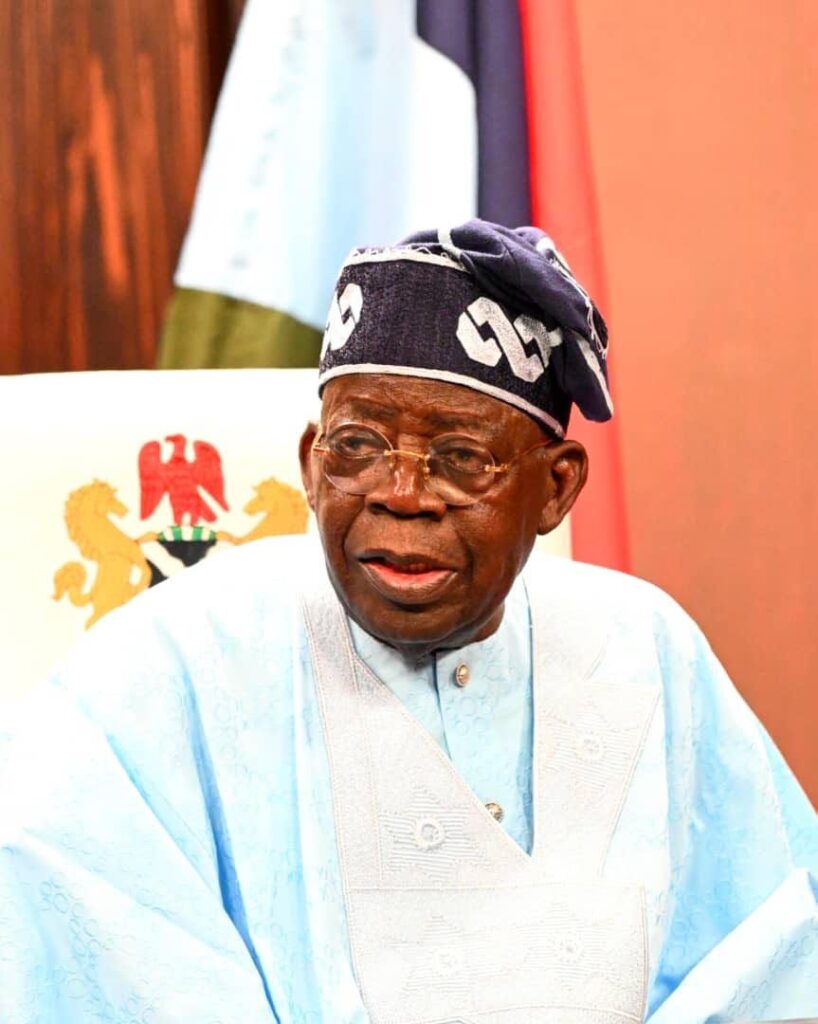
President Bola Ahmed Tinubu has asked the Senate to approve a fresh external borrowing plan worth $20.52 billion and €1.05 billion to finance infrastructure and development projects across Nigeria, placing a substantial new financing proposal before the National Assembly amid continuing concerns over the country’s debt obligations.
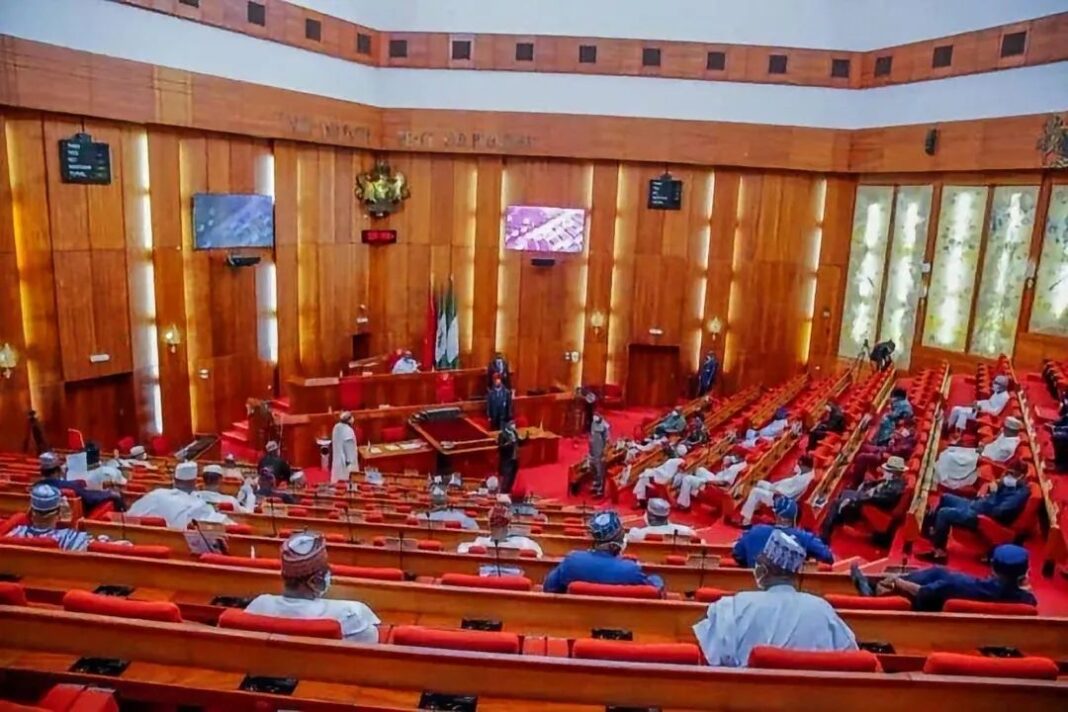
The request, covering the Federal Government’s 2026–2027 Supplementary External Borrowing Plan, was conveyed in a letter addressed to Senate President Godswill Akpabio and read during plenary on Tuesday.
The proposed borrowing amounts to $20,517,755,901 and €1,045,083,643. Tinubu urged lawmakers to give the proposal early consideration, arguing that the funds would help bridge financing gaps and accelerate the implementation of critical national projects.
In the letter, the President said the proposed financing would support infrastructure, agriculture, healthcare, education, water supply, security, employment generation and public financial management reforms.
He maintained that the scale of Nigeria’s infrastructure deficit and the financial resources required to address it made additional external financing necessary.
“I submit the attached Federal Government 2026–2027 Supplementary External Borrowing Plan for consideration and early approval of the National Assembly to ensure prompt implementation of our projects,” the President stated.
Tinubu said the projects and programmes included in the plan had undergone technical and economic evaluations, with their expected contributions to national development taken into consideration.
He added that the initiatives were designed to generate employment, promote skills acquisition and entrepreneurship, reduce poverty and strengthen food security.
According to the President, most of the projects would be implemented across the 36 states and the Federal Capital Territory, giving the proposed investments a nationwide scope.
The power, transportation and healthcare sectors were identified among the major areas expected to benefit from the financing, alongside other development priorities.
The President urged the National Assembly to approve the plan promptly, arguing that timely approval would facilitate disbursements and enable the government to proceed with implementation.
Following the presentation of the letter, Akpabio indicated that the borrowing plan would be referred to the Senate Committee on Local and Foreign Debts for detailed consideration, with possible contributions from the Committees on Appropriations and Finance.
The Senate President also suggested that elements of the proposed financing had featured in previous government borrowing and budgetary arrangements. However, he expressed uncertainty about the precise period covered by those earlier approvals, making clarification of the relationship between existing authorisations and the latest request an important part of the legislative review.
The committee is expected to examine the details of the proposal before the Senate determines the next steps. The request has not yet received approval through the process described in the report.
The proposal comes against the background of Nigeria’s continuing need for infrastructure investment and the government’s reliance on borrowing to supplement available public revenue. Roads, electricity, transportation networks, hospitals, schools and water infrastructure require substantial investment, but the terms and management of financing remain crucial to determining whether such expenditure delivers lasting economic benefits.
The scale of the proposed borrowing also raises questions about debt sustainability, repayment obligations and the effectiveness of public spending. Loans denominated in foreign currencies expose the government to exchange-rate risks, particularly when the naira weakens against the currencies in which repayments must be made.
For that reason, scrutiny of the proposed borrowing should go beyond the headline amount and the sectors identified for investment. Lawmakers and the public need clear information on the individual projects to be financed, the lenders involved, interest rates, repayment schedules, implementation timelines and expected economic returns.
It is equally important to establish whether any projects in the supplementary plan overlap with programmes already covered by previously approved borrowing arrangements. Clear disclosure would help prevent duplication, strengthen legislative oversight and improve public confidence in the management of borrowed funds.
The government’s argument is that external financing can help close the gap between Nigeria’s development needs and the resources currently available. The critical test, however, will be whether the funds produce completed projects, improved public services, employment opportunities and measurable improvements in living standards.
As the proposal moves to the Senate committee, Nigerians will be watching to see whether lawmakers obtain sufficient details to assess the necessity, affordability and expected benefits of the additional borrowing.
The proposed $20.52 billion and €1.05 billion package remains subject to legislative consideration. Its eventual implications for the economy will depend not only on whether approval is granted, but also on the financing terms, the quality of project selection and the government’s ability to ensure transparent and effective implementation.