
Akoko Edo lawmaker steps into the top legislative seat as questions grow over the dramatic change
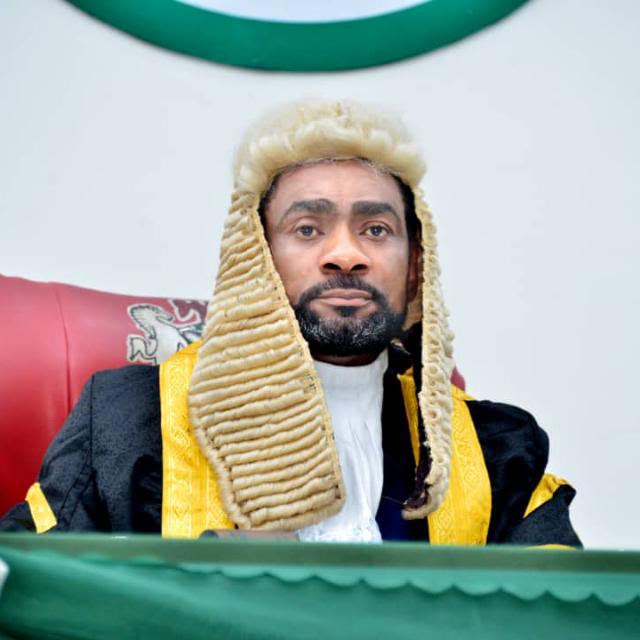
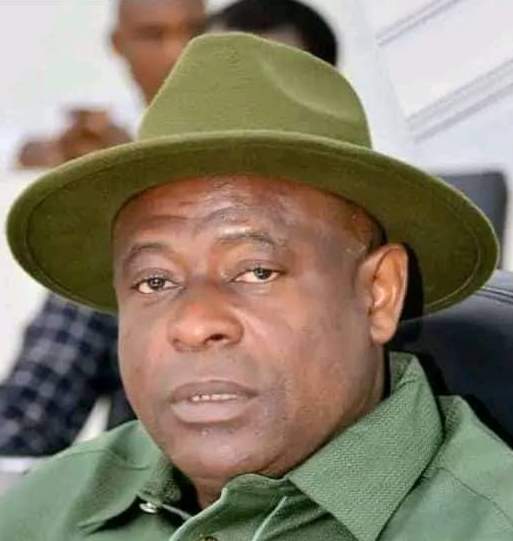
The political drama in the Edo State House of Assembly has taken a fresh turn following the emergence of Hon. Idaiye Yekini Oisayemoje as the new Speaker of the House, shortly after Rt. Hon. Blessing Agbebaku resigned from the position.
Agbebaku’s resignation had earlier been reported by IBN News after pressure mounted within the Assembly and moves were reportedly made by some lawmakers to remove him as Speaker.
The latest development has now shifted attention to the new Speaker, his political background and the circumstances surrounding the sudden change in the leadership of the Edo legislature.
Idaiye Yekini Oisayemoje is a member of the All Progressives Congress (APC) and represents Akoko Edo I Constituency in the Edo State House of Assembly.
According to information published by Shine Your Eye, an initiative of Enough is Enough Nigeria, Idaiye is the elected State Representative for Akoko Edo I at the Edo State Legislature.
The platform lists his state as Edo, political party as the APC and gender as male. His date of birth is recorded as October 23, although the year of birth is not provided in the available profile.
His emergence as Speaker now places a lawmaker from Akoko Edo at the head of the state’s legislative arm.
The development is politically significant because the Speaker’s position is the highest office within the House of Assembly and carries responsibility for presiding over legislative proceedings, managing the business of the House and providing leadership for lawmakers.
Idaiye now takes over at a time when the Assembly is facing serious political tension.
The immediate question confronting the new leadership is whether his emergence will calm the situation or deepen the disagreement among lawmakers.
The controversy surrounding Agbebaku did not end with his resignation.
Reports have subsequently emerged that the former Speaker was suspended by the House despite having already resigned from the position. The circumstances and reasons behind the reported suspension have not yet been fully explained publicly.
That development has added another layer to what has become one of the most dramatic leadership changes in the Edo Assembly in recent times.
The sequence of events has raised questions among political observers over what happened inside the Assembly, what triggered the pressure against Agbebaku and whether the resignation was a political decision taken to avoid a formal impeachment.
Until the Assembly provides a full explanation, those questions remain unanswered.
What is established, however, is that Agbebaku is no longer Speaker and Idaiye has emerged to occupy the position.
Idaiye’s political background is also worth watching.
As the representative of Akoko Edo I Constituency, he has been operating within the legislative system before his elevation to the Speaker’s position. His new role will require him to move beyond constituency politics and provide leadership for lawmakers representing all parts of Edo State.
That responsibility will not be easy.
The Edo House of Assembly consists of elected representatives from across the state’s constituencies, making the Speaker’s ability to manage political differences extremely important.
The new Speaker will have to balance party interests, constituency demands and the constitutional responsibilities of the legislature.
He will also be expected to maintain a working relationship with the executive arm of government while preserving the independence of the legislature.
This is particularly important because the House plays a central role in the state’s governance structure.
Bills passed by the Assembly, budgetary approvals, oversight activities and other legislative decisions can directly affect the daily lives of millions of Edo residents.
A leadership crisis that prevents lawmakers from effectively performing these duties could therefore become a wider governance problem.
Idaiye’s emergence also comes at a politically sensitive period for Edo State.
Political parties are already positioning themselves ahead of the 2027 elections, while lawmakers remain important actors in grassroots mobilisation and political organisation.
The new Speaker’s APC membership means his leadership will also be viewed through the wider political relationship between the ruling party, the state government and the legislature.
However, his immediate responsibility is not simply political.
He must demonstrate that the Assembly can continue functioning despite the disagreement that produced the latest leadership change.
The people of Edo State will expect the House to focus on legislation, oversight, development and issues affecting their communities.
The new Speaker will therefore face an early test of leadership.
Can he unite lawmakers who may have different political interests?
Can he prevent further divisions within the House?
Can he maintain legislative stability after such a sudden change?
And perhaps most importantly, can he ensure that the political crisis does not interfere with the Assembly’s constitutional responsibilities?
These are questions that will be answered by his actions in the coming weeks.
For Agbebaku, the political story is also not necessarily over.
His resignation has removed him from the Speaker’s seat, but the reported suspension and the circumstances surrounding his exit could generate further political and legal discussions.
The former Speaker may also have an opportunity to explain his side of the story and address the circumstances that led to his departure.
For now, however, the political spotlight has moved to Idaiye.
The Akoko Edo I representative has suddenly moved from being one of the lawmakers in the chamber to becoming the person expected to control proceedings and provide direction for the entire House.
His elevation is a major political development for Akoko Edo and for the Edo State legislature.
The coming days will reveal whether his emergence will mark the beginning of a period of stability or another chapter in the Assembly’s continuing political drama.
For Edo people, the message is straightforward: the leadership of the House has changed, and the new Speaker now has the responsibility to prove that the Assembly will put governance above political battles.
The people did not elect lawmakers to spend their tenure fighting over positions.
They elected them to make laws, scrutinise government activities, represent their constituencies and protect the interests of Edo State.
Idaiye Yekini Oisayemoje now has the opportunity to set a new direction for the legislature.
Whether he succeeds will depend not only on how he handles the politics inside the chamber, but also on whether he can build enough trust among lawmakers to keep the Assembly focused on its constitutional duties.
The resignation of Agbebaku may have closed one chapter, but the emergence of Idaiye has opened another — and Edo State is watching.
IBN NEWS will continue to monitor the leadership change and report further confirmed developments from the Edo State House of Assembly.