
ABUJA, Nigeria — The Federal Government has intensified emergency public health measures following the confirmation of an imported case of Ebola virus disease in the Federal Capital Territory, with 44 contacts identified for monitoring as authorities work to prevent further transmission.
The infection, confirmed on October 20, 2026, involves a woman who recently travelled to Nigeria from Uganda and tested positive for the Bundibugyo strain of the Ebola virus.
The Nigeria Centre for Disease Control and Prevention (NCDC) confirmed the strain following laboratory testing. However, the precise source of the woman’s infection remains under investigation, with health authorities examining her travel and exposure history.
The patient is being treated in isolation at a private health facility in Abuja. Subsequent reports on Wednesday indicated that her condition had deteriorated, with an NCDC official reporting multiple organ failure.
The development has heightened concerns among public health officials as Nigeria works to contain the infection and prevent possible secondary cases.
The Coordinating Minister of Health and Social Welfare, Professor Muhammad Ali Pate, said contact tracing had commenced, with 44 people identified for monitoring. They include healthcare workers, patients, caregivers and people who may have been exposed during the patient’s travels or treatment.
Health teams are continuing investigations to establish the full list of people who may have come into contact with the patient and determine whether additional monitoring measures are necessary.
The NCDC has activated its incident management system to coordinate the national response, working with the Federal Ministry of Health and Social Welfare, the FCT Health Services Secretariat and international health partners.
The private hospital where the woman initially received treatment is also receiving support to strengthen infection prevention and control measures and reduce the risk of further exposure.
Public and private healthcare facilities nationwide have been urged to heighten surveillance, promptly identify and isolate suspected cases, maintain strict infection prevention protocols and immediately report suspected infections to public health authorities.
The World Health Organisation (WHO) is supporting Nigeria’s response through technical assistance, case investigation, contact tracing and infection prevention measures. The Africa Centres for Disease Control and Prevention (Africa CDC) is also involved in regional efforts to contain the outbreak.
The confirmed case comes amid a wider outbreak of Bundibugyo Ebola disease that began in the Democratic Republic of the Congo and has spread to other African countries. Health authorities are investigating the movement of the virus across borders and strengthening surveillance to identify infections early.
Although the patient had a recent travel history involving Uganda, officials have not conclusively established where she contracted the virus. Authorities are examining her travel history and possible exposures as part of the investigation.
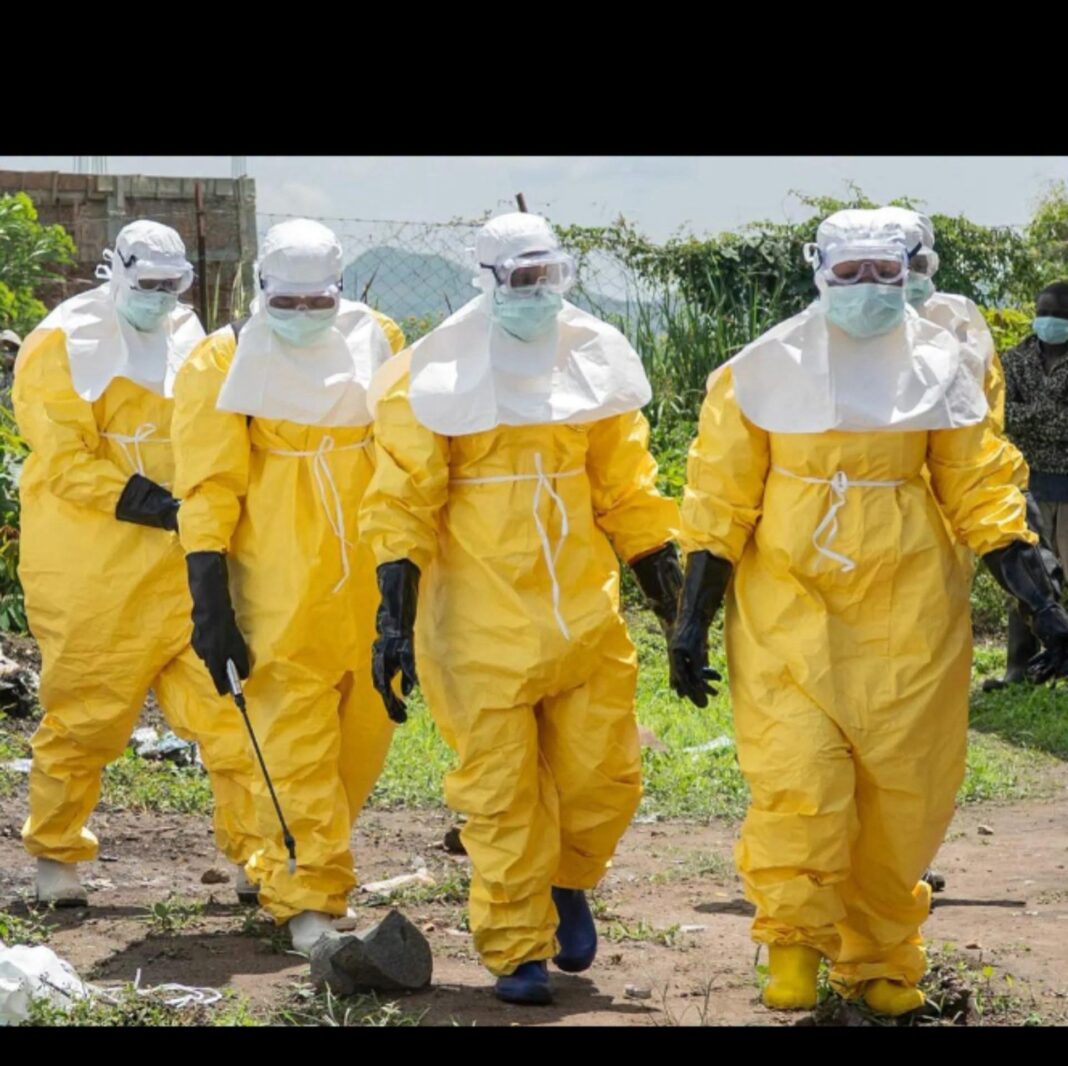
The Bundibugyo strain is particularly concerning because there is currently no approved vaccine or specific treatment for this strain. Patients require supportive medical care, while public health measures focus on early detection, isolation, contact tracing and preventing exposure to infected bodily fluids.
Ebola is transmitted primarily through direct contact with the blood or other bodily fluids of an infected person who is showing symptoms, or through contaminated objects and materials. It is not generally spread through casual contact with people who are not infected.
The Federal Government has urged Nigerians to remain calm, practise regular handwashing, avoid contact with the bodily fluids of anyone suspected of having Ebola and seek medical attention if they develop concerning symptoms after a possible exposure.
Authorities have also warned against spreading unverified reports on social media, advising the public to rely on official updates from the Federal Ministry of Health and Social Welfare, the NCDC and recognised international health agencies.
Nigeria previously contained an Ebola outbreak in 2014, a response frequently cited by health officials as evidence of the importance of rapid detection, effective contact tracing and coordinated public health action.
The immediate priority in the current case is to identify and monitor everyone who may have been exposed, strengthen safety measures in healthcare facilities and prevent further transmission.
With 44 contacts identified so far and investigations continuing, health authorities say surveillance and coordinated containment efforts remain critical to limiting the impact of the imported case.
IBN News — Fearless, Strong & Reliable