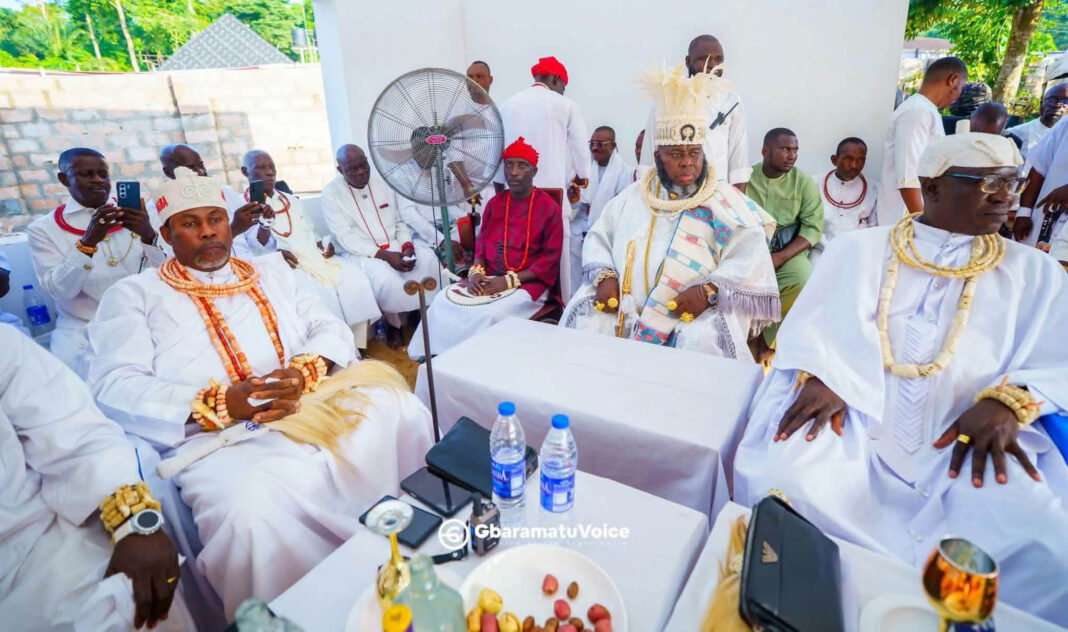

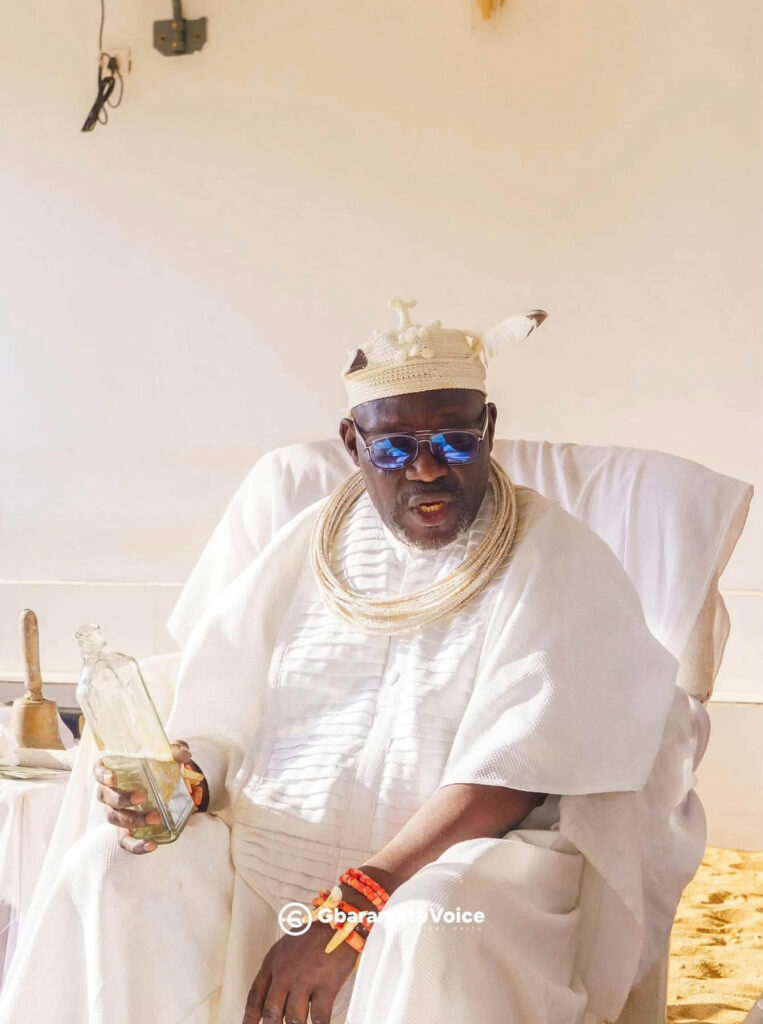
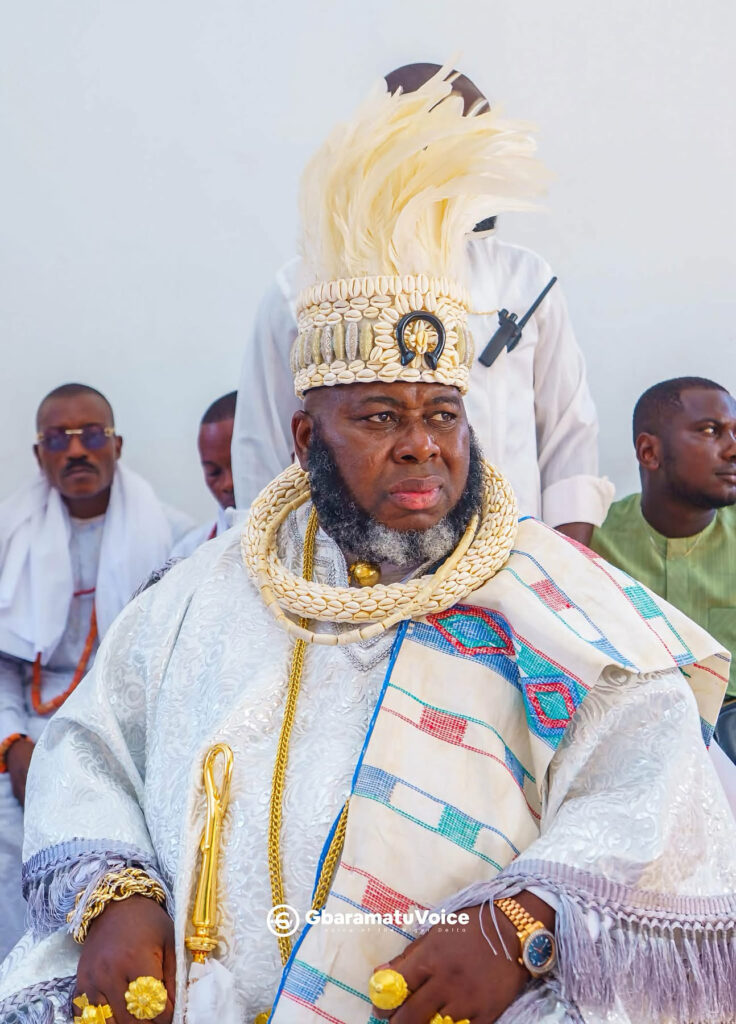
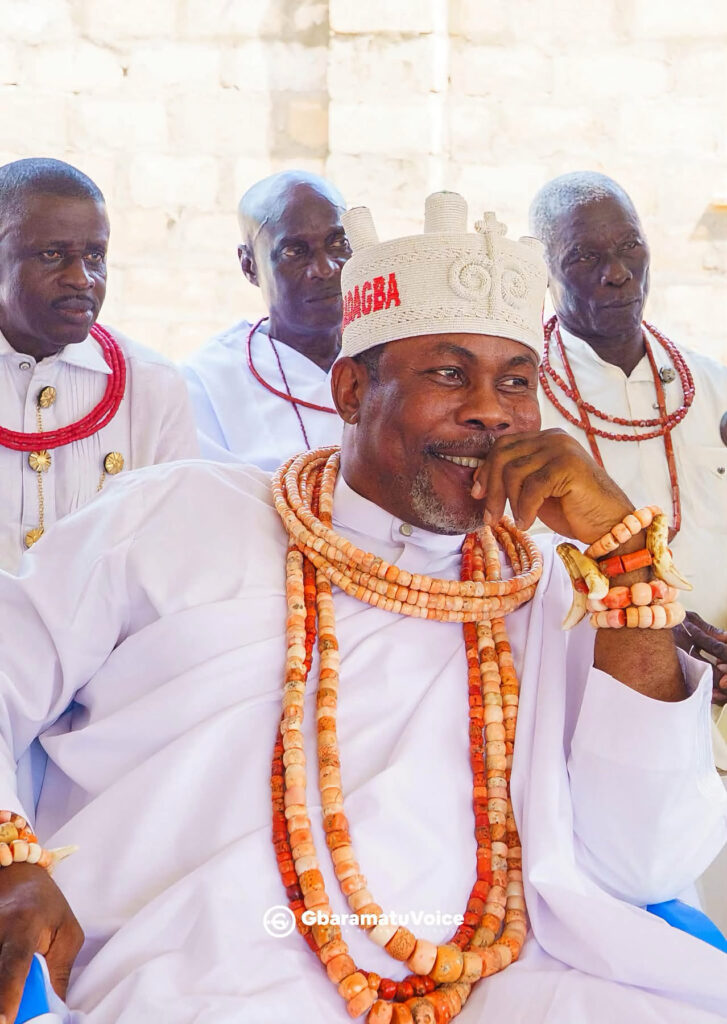
The traditional institution of the Ijaw people took centre stage in Ikoro Community, Ovia North-East Local Government Area of Edo State, as prominent monarchs from across the Niger Delta gathered for the Olodiama Egbesu Festival and the ninth coronation anniversary of His Royal Majesty, King Godwin Ogouyinbo Alagbabunafa III, Pere of Olodiama Kingdom.
The colourful celebration brought together royal fathers, traditional leaders and prominent personalities from different Ijaw kingdoms, highlighting the cultural heritage, traditional identity and bonds of solidarity among Ijaw communities in Edo State and neighbouring parts of the Niger Delta.
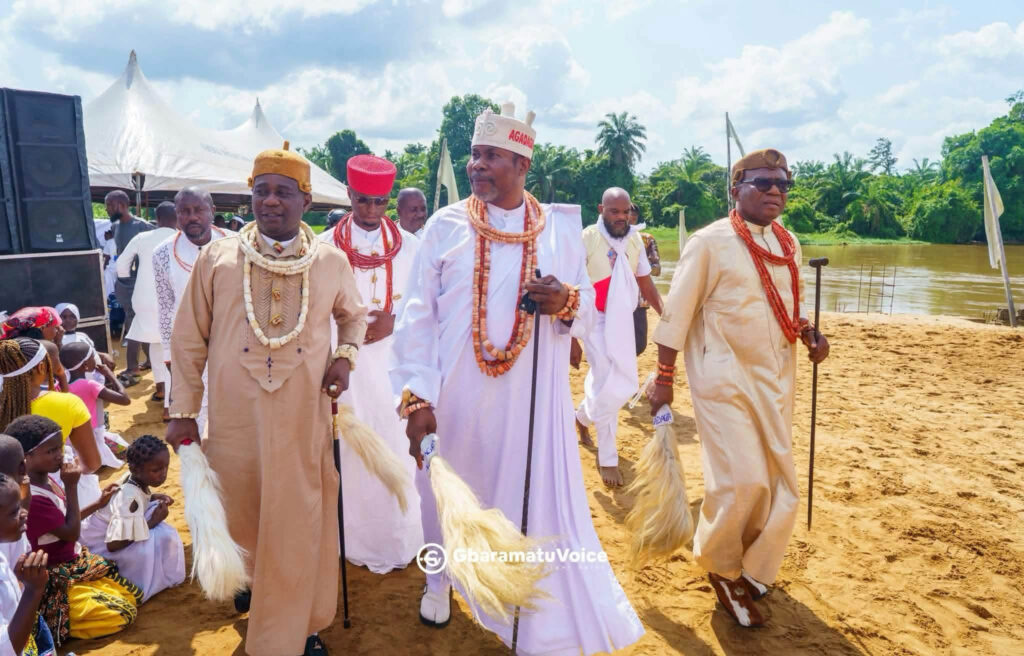
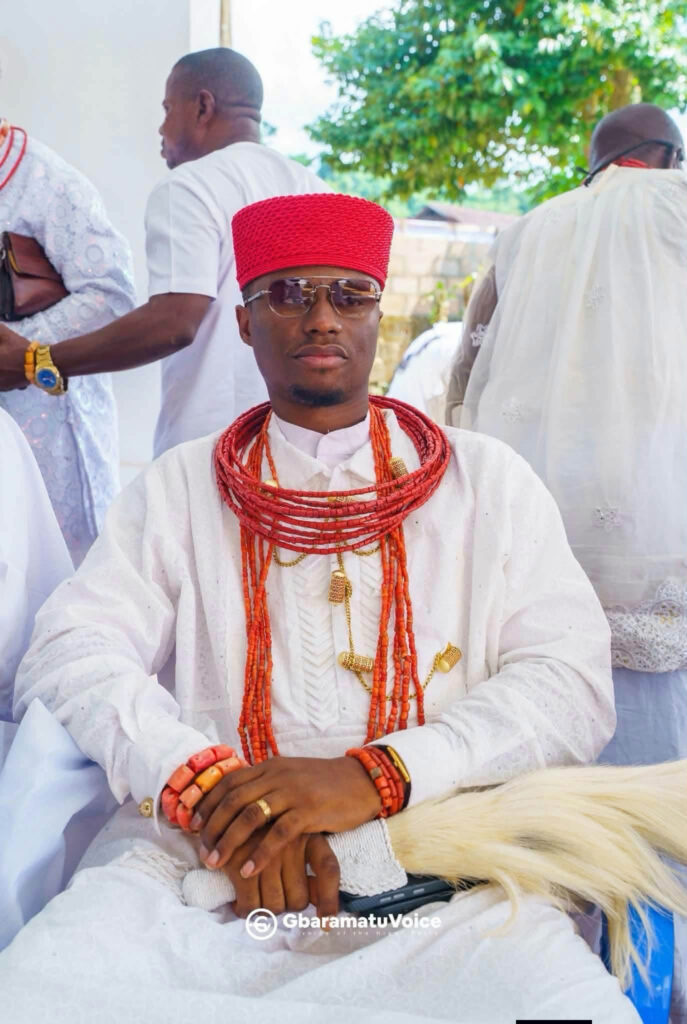
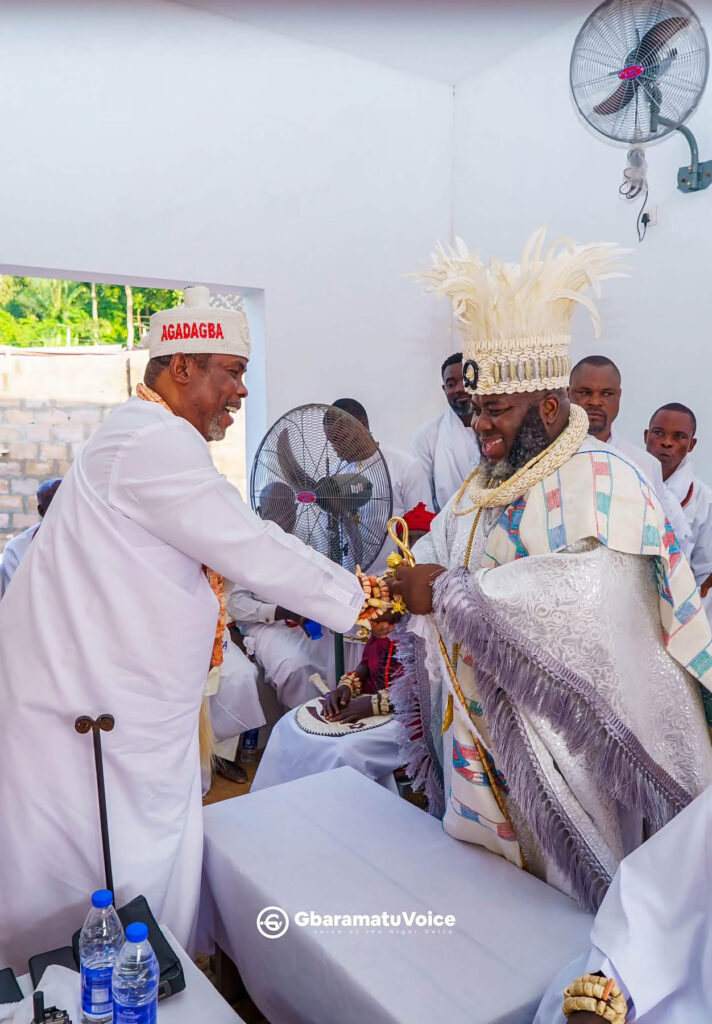
Among the prominent monarchs who attended were His Royal Majesty, Oboro-Gbaraun II, Aketekpe, Agadagba, Pere of Gbaramatu Kingdom; His Royal Majesty, Barrister Shadrach Peremobowei Erebulu, Aduo III, Pere of Kabowei Kingdom; His Royal Majesty, Eseimokumo Ogonikara I, Oguruyeke Okrimini, Pere of Tubutoru Kingdom; and His Royal Majesty, Frank Fieke Okiakpe, Egbesuwei Gbaraun X, Pere of Gbanraun Kingdom.
Also present was Alhaji Mujahid Abubakr Dokubo-Asari, Amanyanabo of Elem Kalabari and Torusarama Piri of Kalabari Kingdom, whose presence added further prominence to the gathering.
The celebration featured colourful cultural displays, traditional performances and royal ceremonies, with the participating monarchs demonstrating the enduring importance of traditional institutions in preserving the history, customs and identity of their respective communities.
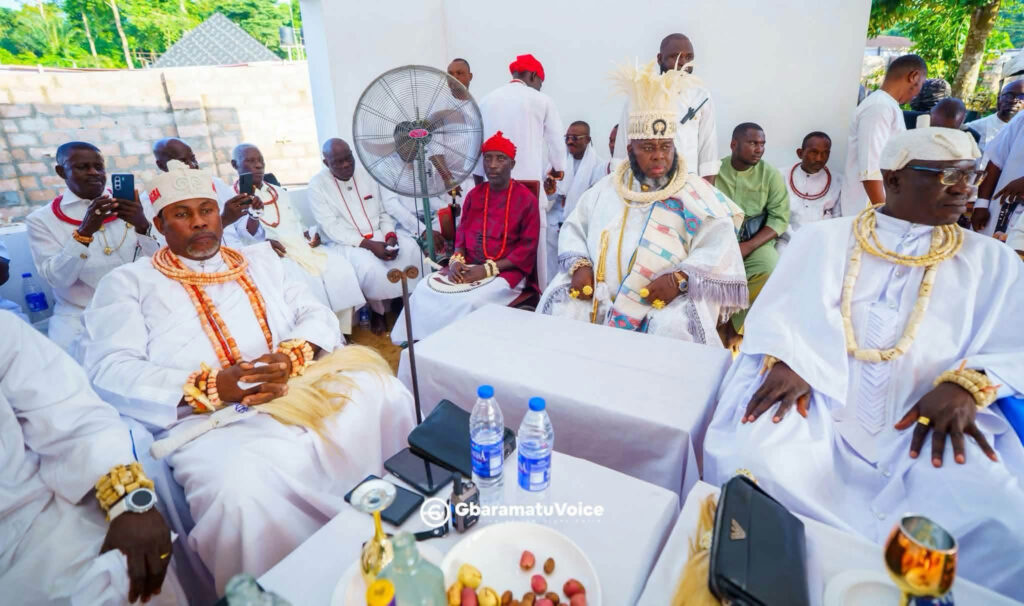
The Olodiama Egbesu Festival also provided an opportunity for members of the kingdom and visitors to celebrate their cultural heritage and strengthen relationships among communities linked by shared Ijaw ancestry and traditions.
For the Ijaw people of Edo State, the gathering represented more than a royal anniversary. It offered a public demonstration of their distinct cultural identity, traditional practices, language and heritage within the wider ethnic and cultural diversity of Edo State.
The Ijaw communities of Edo State have historically maintained cultural connections with other Ijaw-speaking communities across the Niger Delta, particularly in Delta, Bayelsa and Rivers states. Their traditional institutions, festivals and ancestral practices remain important expressions of that identity.
The presence of monarchs from Gbaramatu, Kabowei, Tubutoru, Gbanraun and Kalabari kingdoms further illustrated the traditional relationships and cultural ties connecting communities across the Niger Delta.
A traditional institution with a history of controversy
The celebration also comes against the background of a longstanding public disagreement over the traditional status of Olodiama Kingdom and the recognition of its Pere.
In November 2017, the Edo State Government, under the administration of former Governor Godwin Obaseki, challenged the purported installation and recognition of a Pere of Olodiama Kingdom, arguing that the title and community were not recognised under the state’s traditional rulers and chiefs framework.
The position generated strong objections from Ijaw leaders, who maintained that the Olodiama traditional institution had a long historical existence and that the people were entitled to preserve their customs, traditions and traditional leadership.
In response, Ijaw representatives cited historical accounts of earlier installations of Olodiama monarchs, including the 1958 installation of Pere Asulu Ogunyeibo at Ikoro, which they said demonstrated the longstanding existence of the institution.
The disagreement became a wider debate about the historical identity, traditional authority and recognition of Ijaw communities in Edo State.
The latest gathering of Ijaw monarchs therefore brings renewed public attention to the cultural and traditional institutions of the Ijaw people in the state, although the attendance of the monarchs does not in itself resolve the separate question of official state recognition.
Beyond the historical disagreement, the Olodiama Egbesu Festival and ninth coronation anniversary provided an opportunity for cultural celebration, royal interaction and the strengthening of relationships among traditional rulers and their communities.
The gathering reaffirmed the significance of cultural preservation and the role of traditional institutions in passing history, customs and values from one generation to another.
IBN News — Fearless, Strong & Reliable