

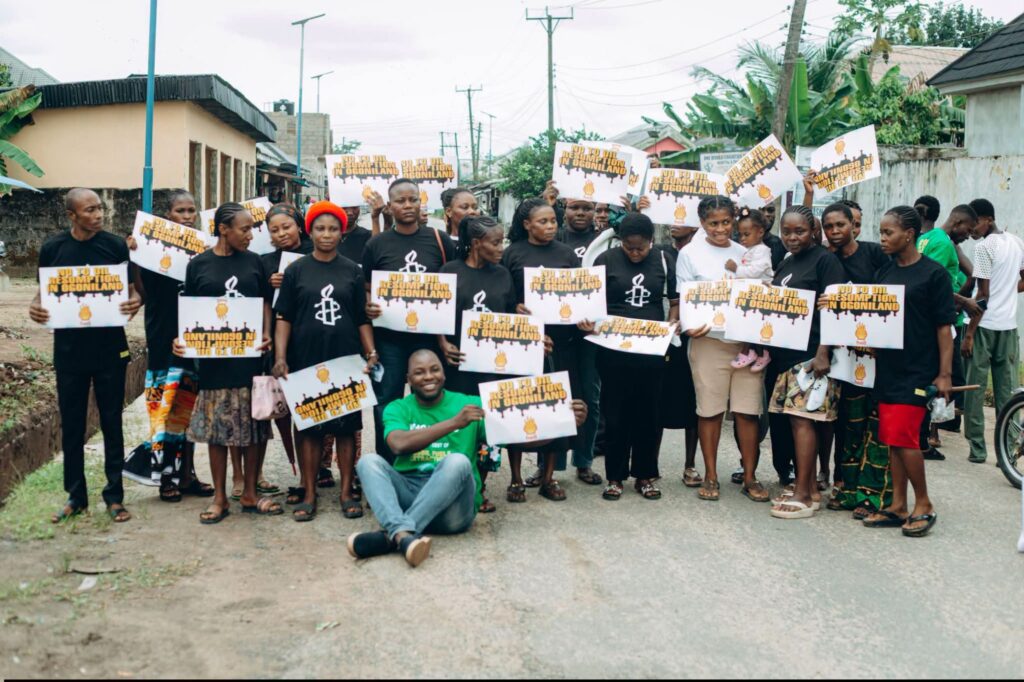
Amnesty International has renewed its call for environmental justice, corporate accountability and an end to the exploitation of oil-producing communities in the Niger Delta, as the organisation joined a march in Bori, Ogoniland, Rivers State, on November 10, 2026, to commemorate Remembrance Day.
The march brought renewed attention to decades of environmental pollution and the human rights concerns surrounding oil exploration in the region, with campaigners demanding that the Nigerian Government and multinational oil companies take responsibility for the damage associated with fossil fuel extraction.
The November 10 commemoration carries particular historical significance for the Ogoni people. It marks the execution of environmental activist and writer Ken Saro-Wiwa and eight other Ogoni leaders, collectively known as the Ogoni Nine, by the military government of General Sani Abacha on November 10, 1995.
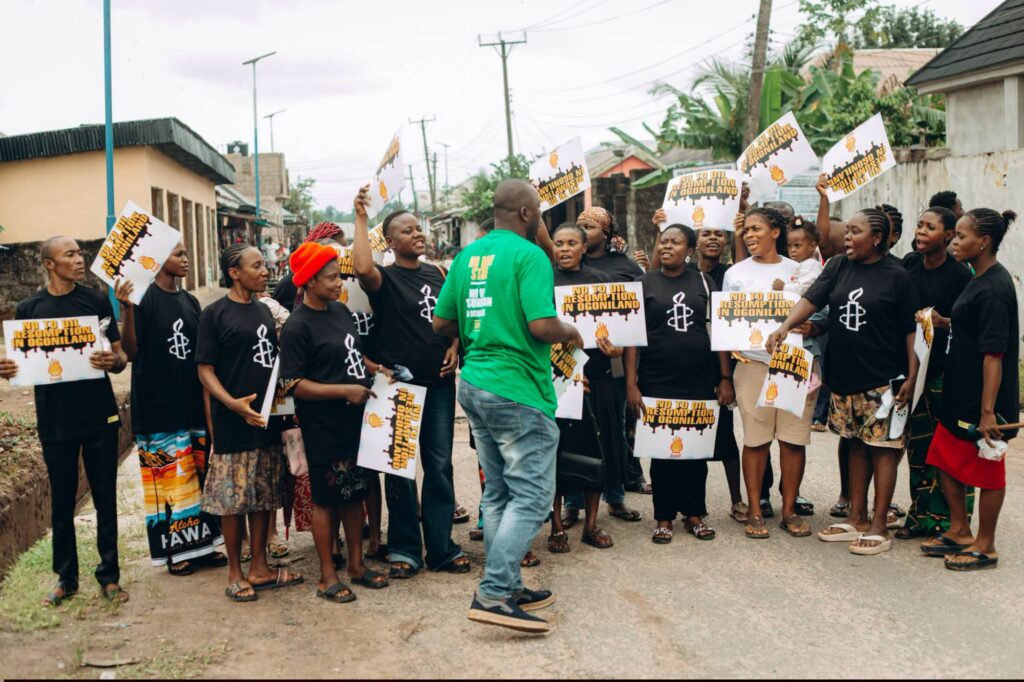
The nine activists were executed after campaigning against environmental degradation, economic marginalisation and the impact of oil production on Ogoniland. Their deaths became an international symbol of the struggle for environmental protection, human rights and justice in the Niger Delta.
Thirty-one years after the executions, Amnesty International says many of the environmental and human rights concerns that inspired the Ogoni struggle remain unresolved.
The organisation maintains that the Niger Delta is among the world’s most important wetland and coastal marine ecosystems, supporting an estimated 31 million people whose livelihoods depend heavily on fishing, farming, waterways and other natural resources.
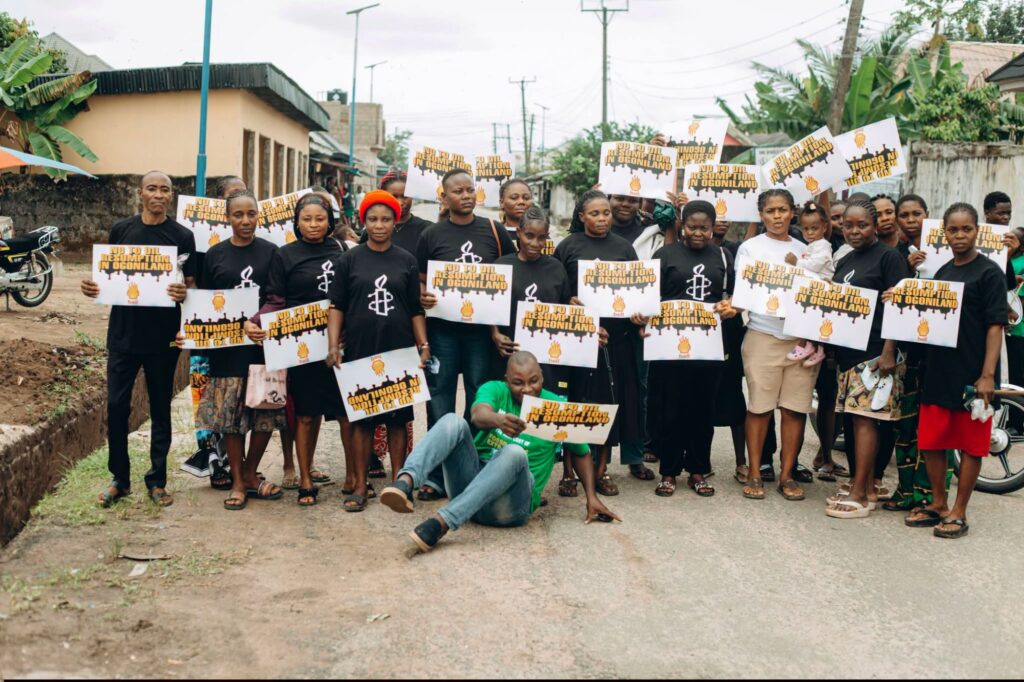
However, communities in several oil-producing areas continue to face the consequences of oil spills, contaminated water, damaged farmland, declining fish stocks and inadequate environmental remediation.
Amnesty International has raised particular concern about residents who depend on polluted water for drinking, cooking, washing and other domestic activities, arguing that environmental degradation in the region has become a serious human rights issue affecting access to clean water, food, healthcare and a healthy environment.
The organisation argues that the Federal Government has international human rights obligations to protect people from environmental harm and ensure that affected communities have access to effective remedies.
It also insists that oil companies must be held accountable for their own conduct and comply with international human rights standards, environmental regulations and accepted good practices in oil industry operations.
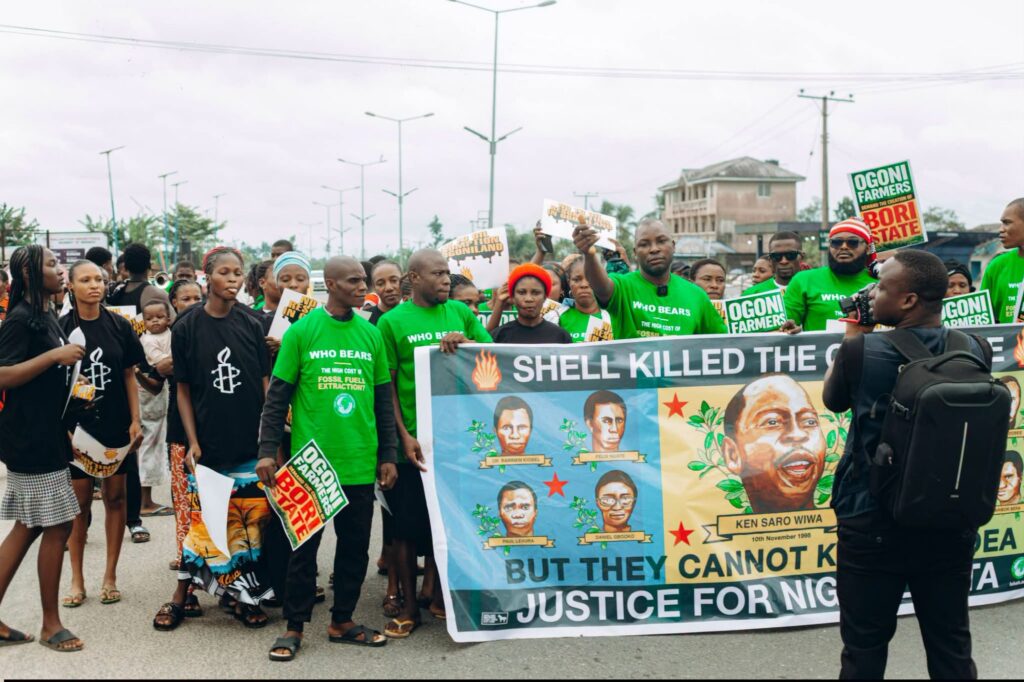
The march came amid renewed attention to Amnesty International’s report, Nigeria: Lifting the Lid, which examines internal Shell documents disclosed during legal proceedings in the United Kingdom.
The report, published in July 2026, raises concerns about pipeline integrity, maintenance practices, leak detection, oil spill monitoring, alleged collusion involving oil company personnel and individuals engaged in oil theft, as well as the financial and environmental consequences of decommissioning ageing infrastructure.
Amnesty International and other human rights and environmental organisations have argued that the findings raise serious questions about corporate accountability and the long-term environmental consequences of oil operations in Nigeria.
During a separate presentation of the report in Port Harcourt on November 10, Amnesty International Nigeria’s Director, Isa Sanusi, said the organisation wanted its findings to reach ordinary people in affected communities and stimulate wider public engagement, activism and demands for accountability.
Sanusi also called for a comprehensive audit of environmental damage across the Niger Delta, stronger regulation of the oil and gas industry and a properly funded environmental restoration programme.
The organisation has repeatedly referred to the 2011 United Nations Environment Programme (UNEP) environmental assessment of Ogoniland, which documented extensive oil contamination and recommended urgent interventions to protect affected communities and restore the environment.
The UNEP assessment identified serious contamination of soil and groundwater, including a finding that drinking water in Nisisioken Ogale contained benzene at levels more than 900 times the World Health Organization’s guideline in one location. It recommended emergency measures and a comprehensive clean-up programme.
Amnesty International has since criticised the slow implementation of the recommendations, arguing that affected communities have waited too long for meaningful environmental restoration.
The organisation has also called on oil companies to clean up pollution, compensate affected communities and ensure that corporate restructuring or withdrawal from oil assets does not leave environmental liabilities unresolved.
Shell has disputed aspects of Amnesty International’s characterisation of its operations, stating that the portrayal in the organisation’s July 2026 report was not one it recognised and pointing to the challenging operating environment in the Niger Delta. The company’s response is included in Amnesty’s report.
The November 10 march therefore served not only as a remembrance of the Ogoni Nine but also as a renewed demand that the sacrifices associated with the struggle for environmental justice should translate into measurable improvements in the lives of people living in oil-producing communities.
For Amnesty International, the central demand remains that the wealth generated from the Niger Delta’s natural resources must not come at the expense of the health, livelihoods, rights and future of the people who live there.
The organisation maintains that environmental justice requires more than public commitments: it requires transparent investigations, effective regulation, accountability for polluters, compensation for affected communities and the full implementation of environmental clean-up recommendations.
IBN News — Fearless, Strong & Reliable