The growing destruction of public infrastructure in Nigeria has come under fresh scrutiny following reports that suspected vandals were cutting down solar streetlight poles near Finance Bridge in Abuja, raising serious concerns about public safety, security and the protection of taxpayers’ investments.
The incident has triggered outrage over the apparent willingness of some individuals to destroy facilities provided for the benefit of the public, even as Nigerians continue to demand better infrastructure, improved security and responsible governance.
Solar-powered streetlights are installed to illuminate roads, improve visibility at night and help create safer environments for motorists, pedestrians and residents. Cutting down the poles or removing their components undermines those benefits and leaves communities vulnerable to darkness and potential security threats.
The question confronting the public is straightforward: why would anyone deliberately destroy infrastructure intended to serve everyone?
Attempts to excuse such conduct by citing hunger and economic hardship have also attracted criticism. While the cost-of-living crisis and unemployment remain serious challenges, poverty cannot become a blanket justification for vandalism, theft or the destruction of public property.
Economic hardship deserves urgent government attention, but so does personal responsibility. Destroying public infrastructure does not solve hunger; it creates additional costs, deprives communities of essential services and forces taxpayers to bear the burden of repairs and replacement.
The problem extends beyond the immediate damage. Solar streetlights, their panels, batteries and associated components can be expensive to replace. Where vandalism becomes persistent, public authorities may be forced to divert funds from new projects to repairing facilities that should have remained functional.
Abuja has faced similar incidents before. In September 2026, the Federal Capital Territory Police Command announced the arrest of 10 suspected vandals in separate operations across Kubwa, Wuye and the National Mosque area. Police said a solar-powered streetlight had been cut down in one of the incidents, while armoured cables were recovered in other operations. Investigations were also directed at identifying suspected accomplices and receivers of stolen public infrastructure.
The arrests demonstrate that vandalism of public assets is not merely a matter of public outrage; it is a law-enforcement challenge that requires sustained action against those who destroy infrastructure and those who knowingly buy stolen components.
Authorities must investigate the reported incident near Finance Bridge, establish the facts, identify those responsible and ensure that anyone found culpable faces the law. Security agencies and the relevant FCT authorities should also assess whether vulnerable infrastructure requires improved surveillance, better lighting protection or more frequent patrols.
The public, too, has a role to play. Residents who witness suspicious activity around streetlights or other public facilities should report it promptly to the appropriate authorities rather than remain silent.
Nigeria cannot build its way to development if public infrastructure is repeatedly destroyed by the very people it is meant to benefit. Government must provide services and protect public assets, while citizens must recognise that roads, bridges, streetlights and other facilities belong to the entire community.
The message must be clear: hunger is a national challenge, but vandalism is not a solution. Poverty may explain hardship; it does not excuse the deliberate destruction of public property.
Those responsible must be identified and held accountable, while authorities must take practical steps to prevent a recurrence. Abuja and the rest of Nigeria cannot afford to keep spending public money replacing infrastructure that should have been protected in the first place.
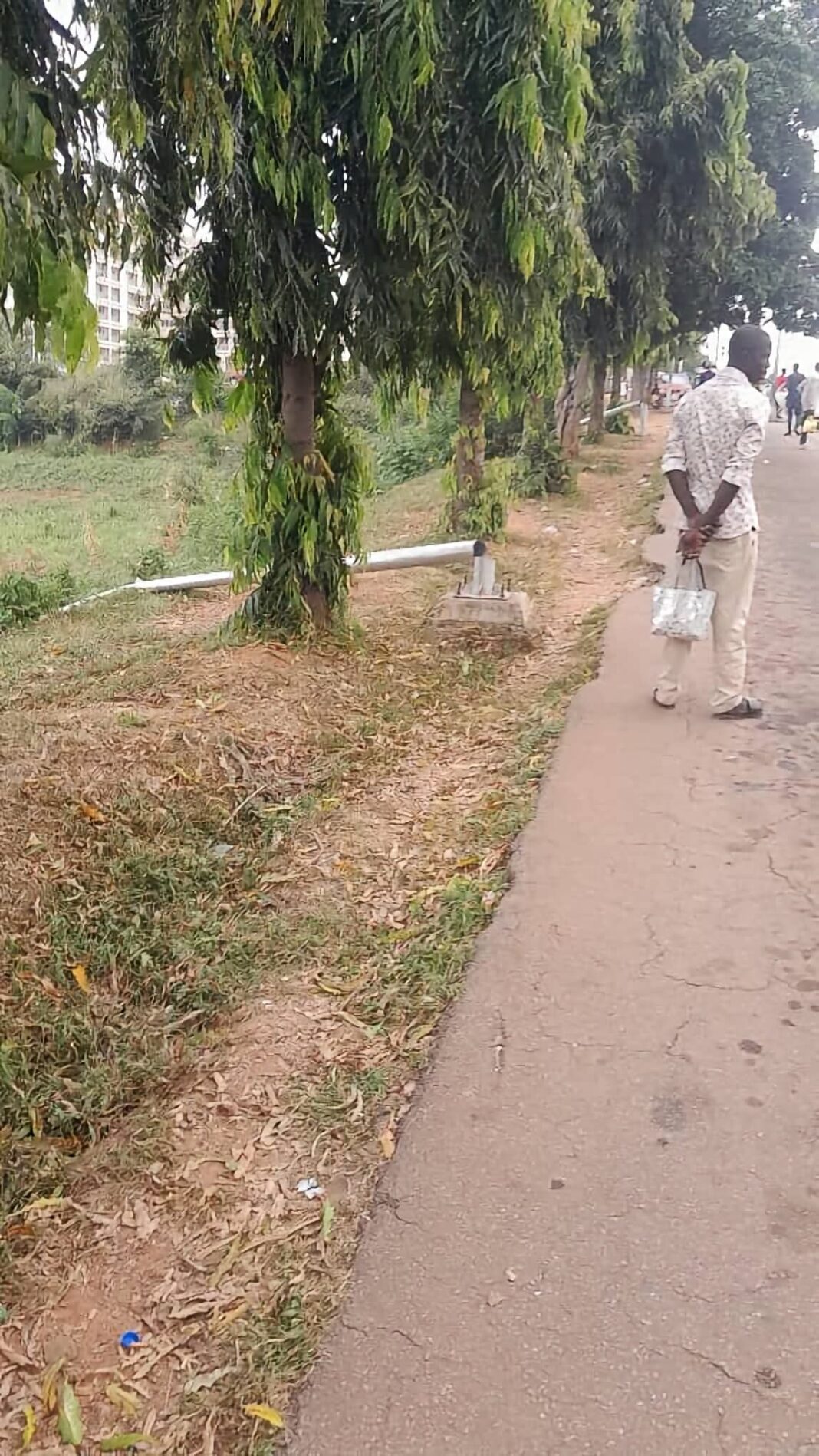
Vandals Cut Down Solar Streetlight Poles Near Finance Bridge as Public Property Destruction Sparks Outrage


Popular Categories
Previous article

Next article