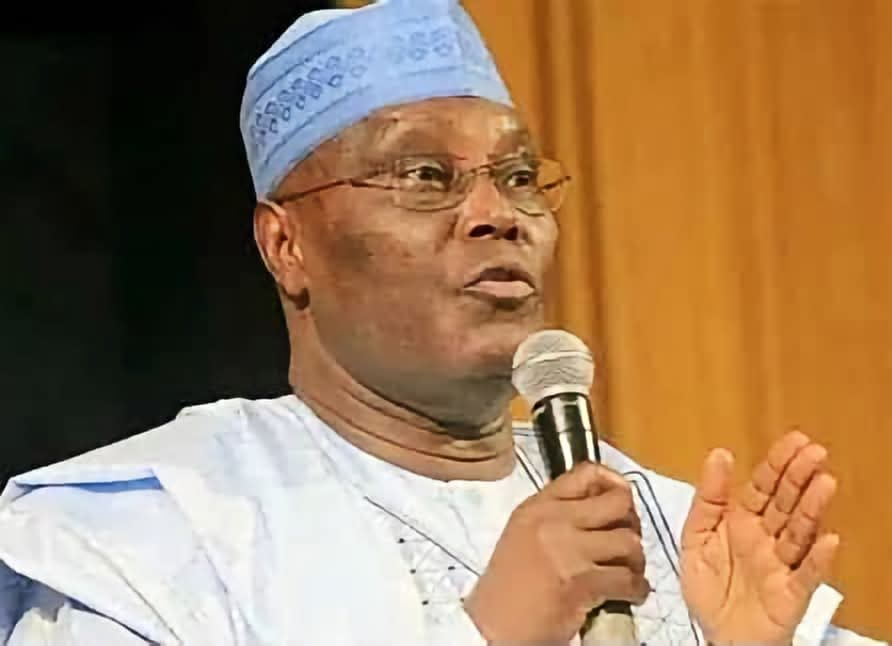

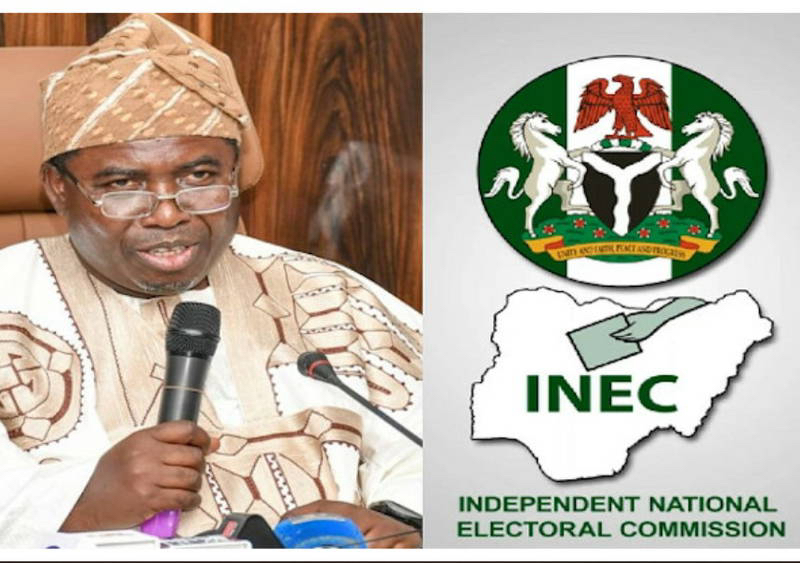
Former Vice President and African Democratic Congress, (ADC) Alhaji Atiku Abubakar has launched a blistering attack on the Independent National Electoral Commission (INEC), demanding that it identify and prosecute officials implicated in alleged voter-register irregularities, disclose its election-material contractors and submit the database to an independent forensic audit ahead of the 2027 general elections.
Atiku warned that the controversy surrounding suspected artificial intelligence-generated photographs and other questionable entries in the preliminary register had raised serious concerns about the integrity of Nigeria’s electoral system, insisting that the commission cannot acknowledge irregularities while withholding information about those responsible.
In a statement issued by Phrank Shaibu, Director of Strategic Communication of the African Democratic Congress (ADC) Presidential Campaign Council, the former vice president accused INEC of failing to demonstrate the transparency and accountability required of an institution entrusted with protecting the votes of millions of Nigerians.
The controversy followed disclosures by INEC’s Director of Information and Communication Technology, Lawrence Bayode, who said some registration officers allegedly used their official login credentials to introduce questionable records into the voter-registration database.
Bayode reportedly explained during an interview on Arise Television that the commission had identified how some irregularities entered the system, although he could not establish why the officers involved engaged in the alleged misconduct.
The commission has also said that its preliminary register contains records flagged for further examination and that corrective measures are underway. INEC maintains that the published register is preliminary and remains subject to verification before final certification.
But Atiku rejected what he considered an inadequate explanation, arguing that identifying how the system was compromised should be followed by the identification of the individuals involved and appropriate disciplinary or criminal proceedings where evidence supports them.
He challenged INEC Chairman Professor Joash Amupitan to explain why the identities of the officials had not been made public and whether those implicated had been suspended or referred for prosecution.
Atiku argued that the electoral commission could not expect Nigerians to trust the voter register while failing to provide a comprehensive account of the alleged breach.
He also called for the preservation of all relevant records, including voter photographs, registration data, access logs and digital audit trails, warning against any attempt to remove questionable entries without retaining evidence needed to establish how they entered the database.
The former vice president demanded an independent forensic audit involving accredited experts, political parties, civil society organisations and credible international observers. He insisted that the exercise should establish the scale of the irregularities, identify their origins and determine whether the integrity of the database had been compromised beyond the records already flagged.
Atiku cited allegations that more than 20 million AI-generated images could be involved, a figure that has not been independently established as the number of confirmed fraudulent entries. The distinction is important because the discovery of suspicious photographs does not, by itself, prove that every affected record represents a fictitious voter or that the images were used to cast fraudulent votes.
Nevertheless, the controversy has intensified scrutiny of INEC’s registration and verification procedures at a critical stage in preparations for the 2027 elections.
Atiku also turned his attention to the commission’s procurement arrangements, accusing it of failing to adequately address opposition parties’ demands for information about companies contracted to produce sensitive election materials.
He called on INEC to publish the identities of the contractors and explain the safeguards governing their operations, arguing that transparency over the companies handling sensitive electoral materials is essential to building confidence among political parties and voters.
The former vice president warned that he would pursue legal action if the commission refused to provide the requested information and account for the alleged misconduct.
“If INEC refuses to disclose the truth, we will go to court and compel it,” he said, reiterating his demand that any official found to have tampered with the register should face prosecution in accordance with the law.
Atiku further urged opposition leaders and the international community to press for a transparent investigation, full disclosure and independent scrutiny of the electoral process. He also criticised the administration of President Bola Tinubu, alleging that the government was allowing the commission to avoid accountability.
The allegations have not, however, established that the Federal Government directed or participated in the irregularities. INEC’s responsibility is to explain the circumstances, disclose verified findings and demonstrate that corrective action is being taken without political interference.
The commission has previously stated that the preliminary register was displayed nationwide between October 9 and 15, 2026, to allow voters and other stakeholders to identify questionable entries and submit claims or objections. It subsequently published the register online on October 26, while explaining that its review and data-cleanup processes were continuing.
That exercise is intended to provide an opportunity to correct errors before the register is certified. However, public scrutiny alone cannot replace the commission’s responsibility to maintain secure registration systems, investigate alleged internal misconduct and take appropriate action where wrongdoing is established.
The stakes are substantial. Nigeria’s voter register forms the foundation of electoral participation, and unresolved doubts about its accuracy could weaken public confidence even before campaigning reaches its peak.
INEC must therefore address the controversy with verifiable evidence rather than general assurances. Nigerians deserve clear information about the number and nature of the affected records, the safeguards that failed, the officials implicated and the measures being taken to prevent a recurrence.
Atiku’s demands place the commission under renewed pressure to demonstrate that its investigation is thorough, independent and capable of establishing accountability. Whether the allegations ultimately reveal isolated misconduct or more extensive systemic weaknesses will depend on the evidence and the outcome of the ongoing review.
With the 2027 elections approaching, the issue extends beyond partisan disagreements. The credibility of the electoral process depends on voters being able to trust that the register is accurate, questionable entries are properly investigated and anyone found to have manipulated electoral records is held accountable under the law.
INEC now faces a test of transparency: explain what went wrong, disclose the findings that can lawfully be made public and show Nigerians that the integrity of their votes is being protected.