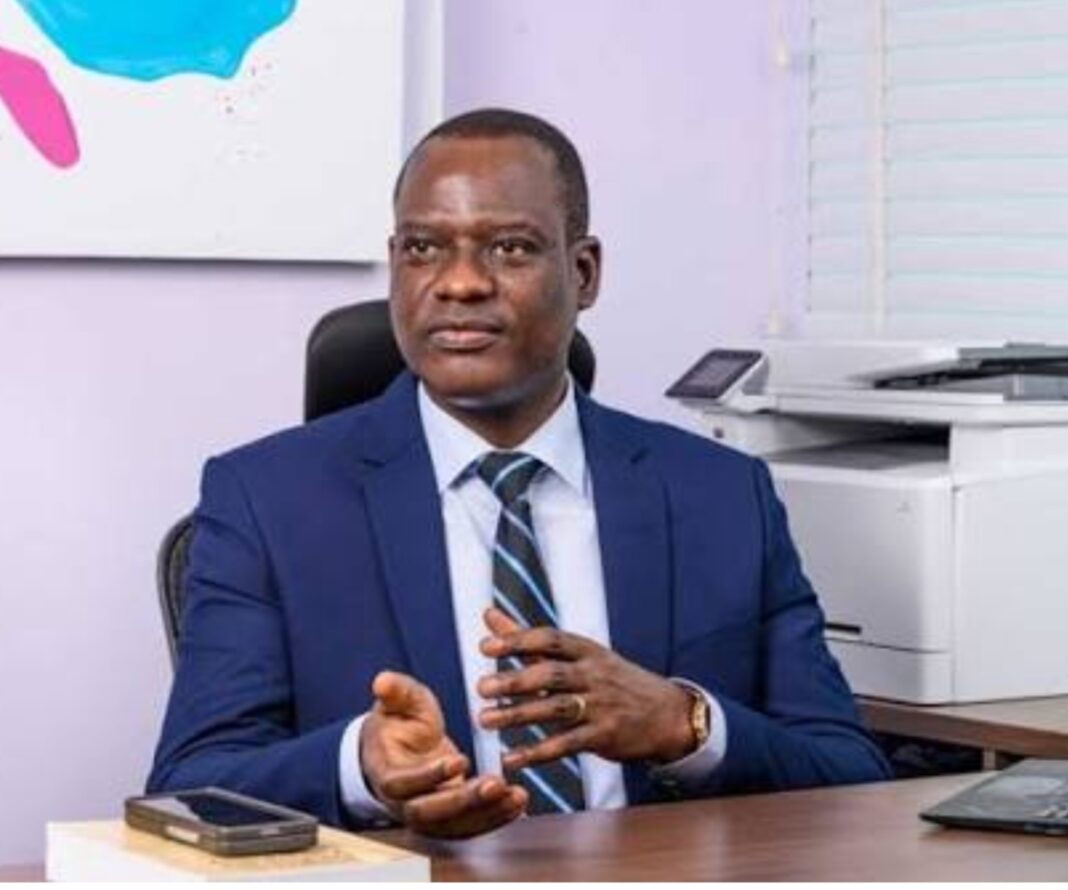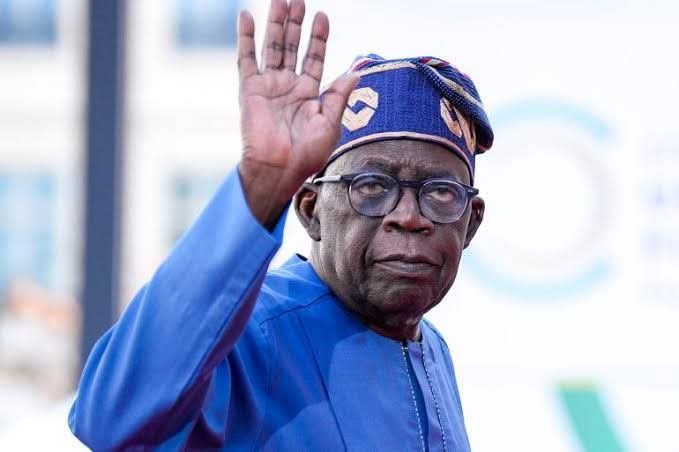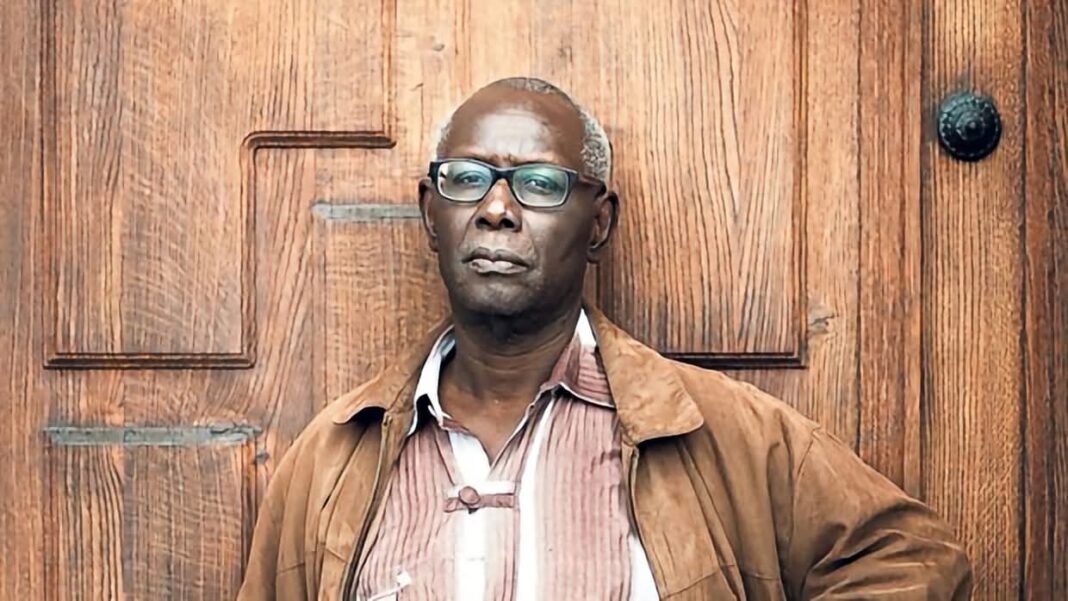

Senegalese Prime Minister Ousmane Sonko has paid tribute to renowned Senegalese writer Boubacar Boris Diop, describing his literary works as a powerful reflection of the country’s identity, history and future, while urging young people to read his books and embrace their cultural heritage.
Sonko delivered the tribute as Senegal’s academic and cultural community gathered at Cheikh Anta Diop University in Dakar for a three-day international conference celebrating Diop’s literary achievements and marking his 80th birthday.
The conference, titled Boubacar Boris Diop: The Burden and Paths of Writing, brings together academics, writers, journalists and researchers to examine the breadth of the author’s work and his contribution to African literature, history, language and public debate.
In his remarks, Sonko said Diop had spent decades examining Senegalese society and the wider African experience, questioning the continent’s historical roots and reflecting on the direction its people were taking.
He noted that Diop’s literary journey, dating back to 1981, had produced a remarkable body of work that demonstrated both exceptional writing ability and a deep commitment to African identity.
According to the prime minister, Senegal has produced distinguished intellectuals and internationally recognised writers, but relatively few have combined literary excellence, cultural commitment and the promotion of African languages as consistently as Diop.
Sonko placed the writer in the distinguished tradition of Senegalese literary icon Ousmane Sembène, highlighting their shared belief in the importance of African culture, the dignity of local languages and the power of literature to contribute to the continent’s future.
He said Diop’s significance extended beyond the books he initially wrote in French, pointing particularly to his decision to write in Wolof, one of Senegal’s major national languages.
Among the works Sonko highlighted were Doomi Golo, Bàmmeelu Kocc Barma and Malaanum lëndëm, which demonstrate Diop’s commitment to making Wolof a language of serious literary expression and intellectual engagement.
For Sonko, the writer’s decision to produce important literary works in his mother tongue represents a lasting contribution to cultural preservation and the confidence of younger generations in their own languages.
The prime minister also shared a personal recollection of meeting Diop, describing him as a generous elder who welcomed him, engaged him in conversation and presented him with books.
He said the writer had extended similar encouragement to young people who demonstrated a genuine commitment to their country and a desire to contribute meaningfully to society.
Sonko used the occasion to emphasise that national development requires more than economic production and material progress. Just as a country needs farmers and others who provide food to sustain the body, he argued, it also needs intellectuals, writers and thinkers who nourish the minds of its people.
He maintained that a nation must continually examine its history, understand its present circumstances and reflect on its future if it is to preserve its identity and correct its shortcomings.
According to Sonko, literature provides a means through which societies can confront uncomfortable truths, recover forgotten histories and develop a clearer understanding of their responsibilities.
He described Diop’s literary works as a mirror through which Senegalese people could recognise themselves, assess the condition of their country and determine what should be preserved or changed.
The prime minister urged Senegalese citizens, particularly young people, to read Diop’s books, arguing that the writer’s work offers valuable insight into the country’s cultural identity, historical experiences and future aspirations.
The tribute comes as the international conference examines the different dimensions of Diop’s career, including his novels, journalism, essays, historical reflections and commitment to writing in African languages.
The programme also explores questions of memory, colonial history, cultural identity, translation and the role of writers in public life, reflecting the broad intellectual influence of Diop’s work.
Beyond celebrating an individual author, the gathering highlights a wider debate across Africa about the place of indigenous languages in education, literature and national development.
Diop’s commitment to Wolof challenges the assumption that African writers must depend primarily on European languages to achieve literary recognition or communicate complex ideas. His work demonstrates how African languages can serve as vehicles for sophisticated storytelling, historical reflection and social criticism.
Sonko’s tribute therefore places the writer’s legacy within a broader call for Africans to value their languages, preserve their cultural heritage and develop intellectual traditions rooted in their own experiences.
As Senegal celebrates Diop’s contributions, the prime minister’s message is that literature should not merely entertain readers but also help societies understand themselves, confront their challenges and imagine a better future.