
IBN News | October 26, 2026
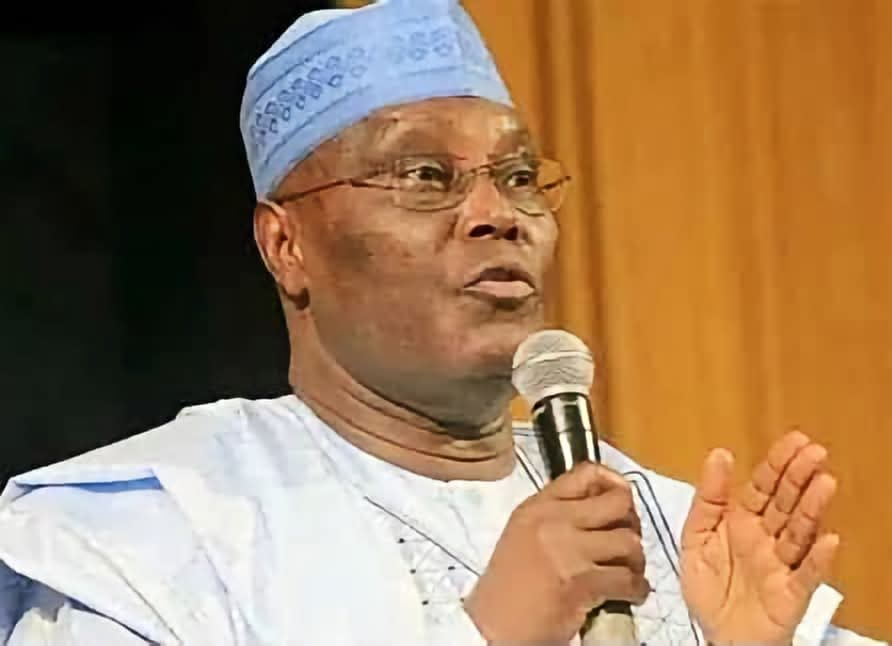
Former Vice-President Atiku Abubakar will campaign across all 36 states of Nigeria ahead of the 2027 presidential election, the African Democratic Congress (ADC) Presidential Campaign Council has announced.
Phrank Shaibu, Director of Strategic Communication of the ADC Presidential Campaign Council, disclosed the plan during an interview on ARISE News, saying the campaign would not exclude any state.
Shaibu said the campaign timetable would be released shortly, adding that Atiku’s engagements would go beyond traditional rallies in state capitals to include town hall meetings, community visits and interactions with residents in local government areas and villages.
According to him, the strategy is designed to bring the former vice-president closer to ordinary Nigerians, understand their concerns and present his political agenda directly to voters.
Shaibu also dismissed suggestions that Atiku’s campaign would concentrate mainly on northern Nigeria, arguing that economic hardship and the rising cost of living affect citizens across the country.
“The man who is hungry in Zamfara is the same as the man who is hungry in Lagos,” he said, stressing that the campaign intends to engage Nigerians regardless of their geographical location.
The announcement comes amid growing political activity ahead of the 2027 general election, with President Bola Tinubu also beginning his re-election campaign under the All Progressives Congress (APC).
Tinubu has indicated that he will not personally attend campaign rallies in every state, explaining that he must balance electioneering with the responsibilities of governing the country. His reported campaign schedule covers 12 states.
The contrast has become a point of political debate, with the ADC presenting Atiku’s proposed nationwide tour as an opportunity to engage a broader cross-section of the electorate.
However, the announcement remains a campaign commitment, with the detailed itinerary yet to be released. The effectiveness of the proposed outreach will ultimately depend on its implementation and the extent to which it enables meaningful engagement with voters.
As the 2027 election approaches, Nigerians are expected to assess competing candidates not only on their campaign promises and national reach but also on their policy proposals, records in public office and plans for addressing the country’s economic and security challenges.