
Inside Nigeria’s painful police housing problem as IGP Disu moves to revive barracks and promises better accommodation
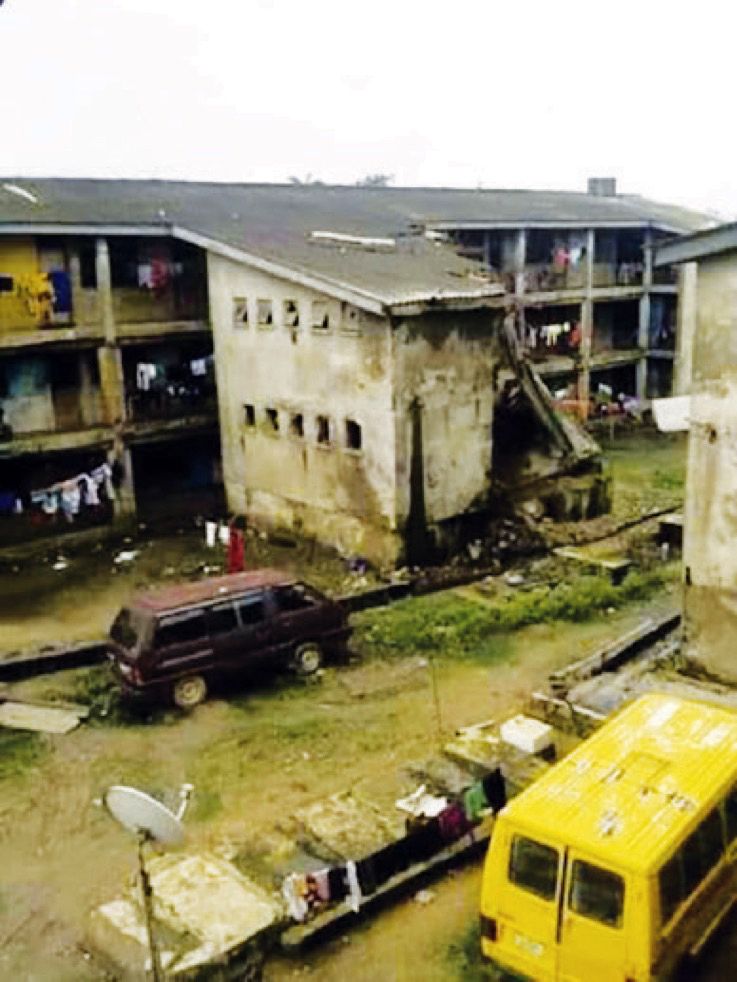
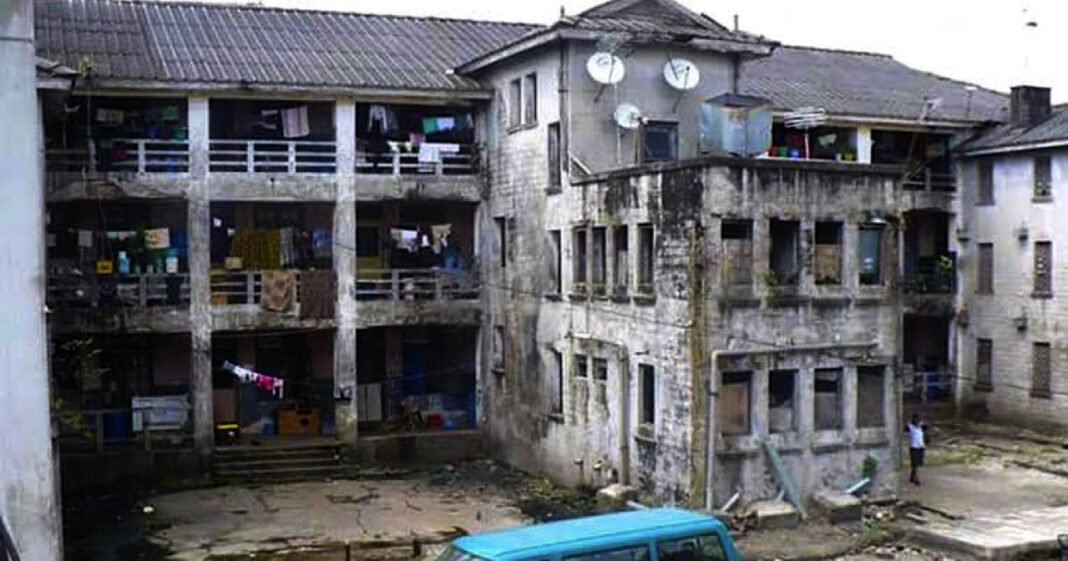
A serious welfare crisis is confronting thousands of police officers and their families across Nigeria, as reports of leaking roofs, broken buildings, poor sanitation, water shortages and overcrowded accommodation continue to raise questions about the living conditions of the men and women expected to protect lives and property across the country.
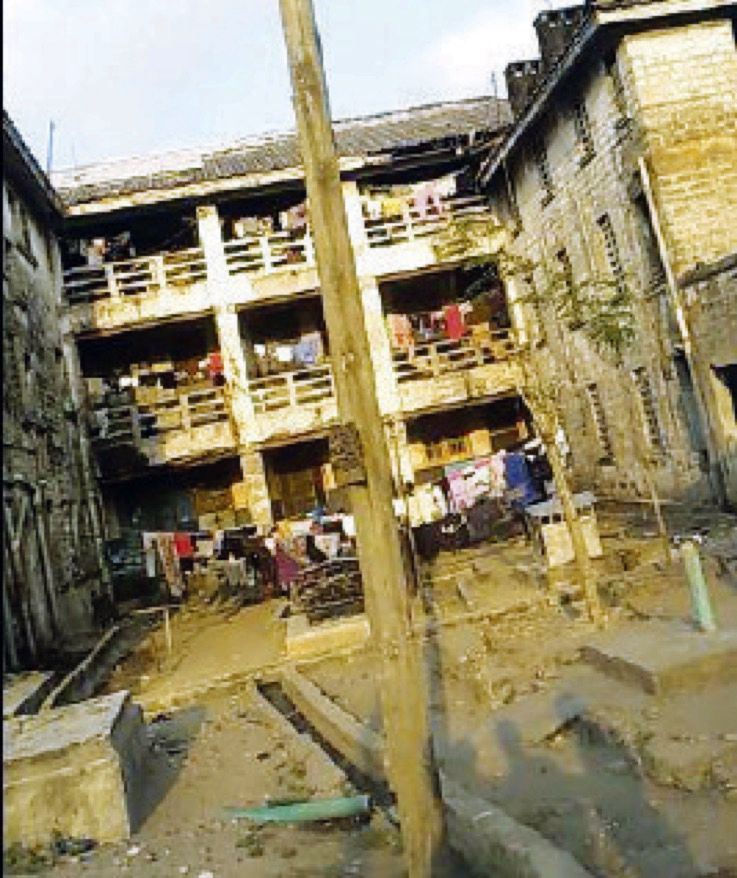
Investigations into the condition of police barracks in several states have revealed a troubling picture of officers and their families living in old and poorly maintained buildings, with some residents reportedly forced to contribute personal money for repairs and basic maintenance.
The situation has brought renewed attention to a major contradiction in Nigeria’s security system: police officers are deployed daily to protect millions of Nigerians, yet many of them and their families reportedly live in accommodation that falls below acceptable living standards.
A recent nationwide report by The Sun documented serious problems in police barracks across Lagos, Ogun, Plateau, Rivers, Oyo, Imo and Cross River states, including leaking roofs, damaged structures, poor water supply, overflowing sewage systems and inadequate sanitation facilities.
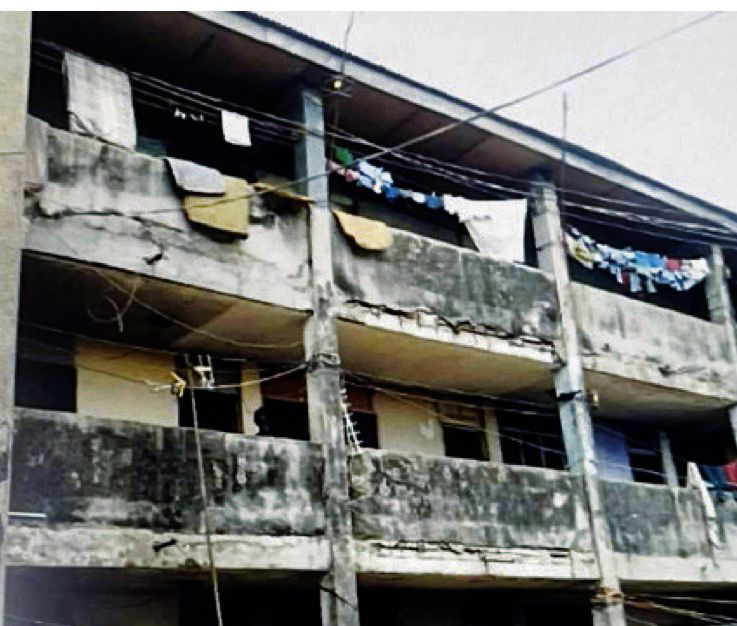
For many police families, the barracks are supposed to provide security and affordable accommodation. But for some residents, they have instead become places of daily struggle.
Reports from Lagos indicate that the situation has been made more difficult by the demolition and redevelopment of several police barracks and facilities, creating accommodation pressure for affected officers and their families.
Some officers reportedly received financial assistance to relocate after their former accommodation was demolished, but concerns remain about whether such support is enough to secure decent accommodation in expensive areas of Lagos.
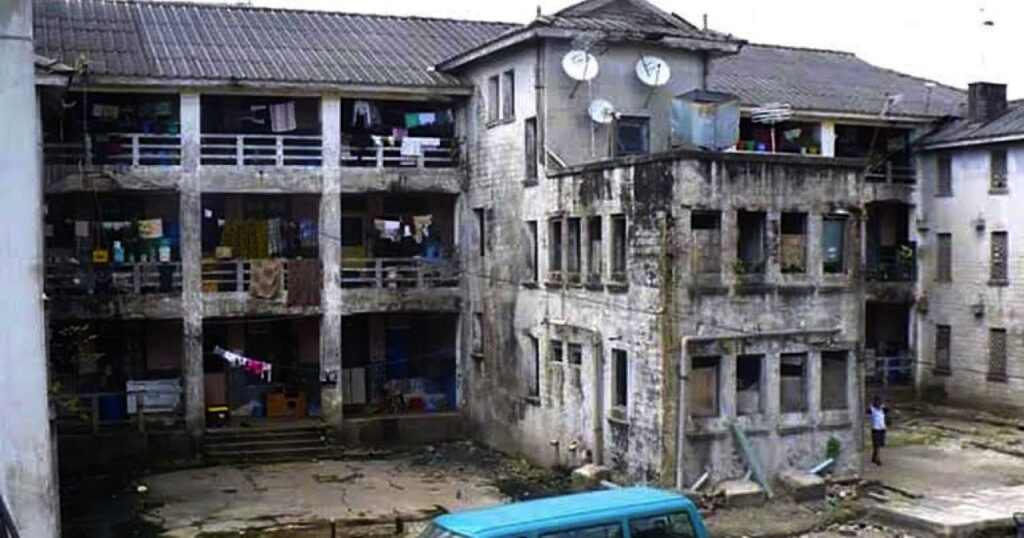
The housing crisis is particularly serious for junior officers, who form the bulk of police personnel deployed for routine security duties across the country.
An officer who is worried about accommodation, family welfare and the future of his children may find it difficult to fully concentrate on the demanding task of policing. This has continued to fuel arguments that police welfare must be treated as a major national security issue rather than a secondary concern.
The condition of police barracks has also raised concerns about morale within the Force.
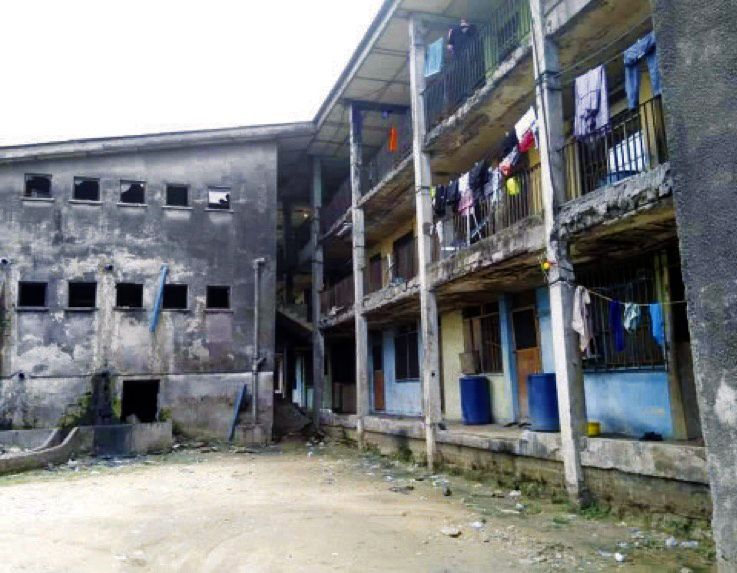
Officers are often required to work long hours, respond to violent crimes, confront armed criminals and operate under difficult conditions. However, reports of poor living conditions in some barracks suggest that the welfare of many personnel has not kept pace with the enormous demands placed on them.
The problem goes beyond Lagos.
Reports from different states have shown that many police residential facilities are old and in need of serious rehabilitation. In some locations, residents have reportedly complained about cracked walls, damaged roofs, poor drainage, lack of potable water and failing toilet facilities.
The situation in some barracks has reportedly forced police personnel and their families to rely on self-help.
Instead of waiting for government intervention, some residents contribute money to repair roofs, maintain boreholes, rebuild damaged facilities and carry out other emergency repairs.
This raises a difficult question: should police officers, whose salaries are already stretched by Nigeria’s high cost of living, be responsible for maintaining government-owned residential facilities?
For many Nigerians, the answer is clear.
Police welfare cannot be separated from effective policing.
An officer who has access to decent accommodation, proper healthcare, good welfare and a stable family environment is more likely to perform better than an officer struggling with housing, unpaid bills and poor living conditions.
The issue is also about the families of police officers.
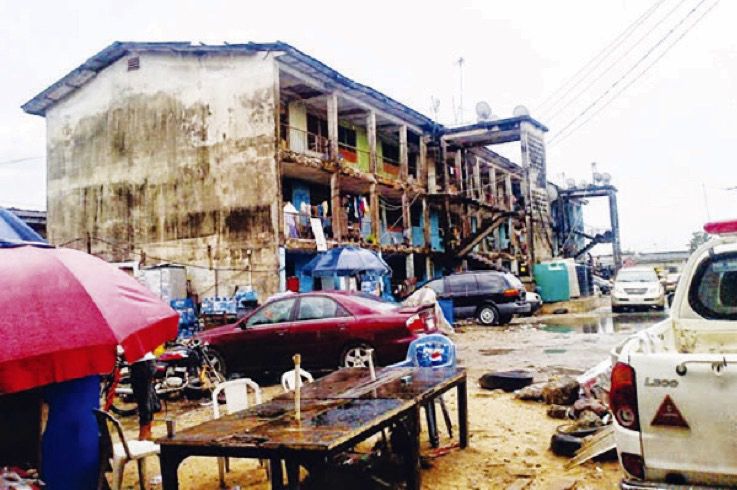
Spouses and children of officers are often the ones directly affected by poor sanitation, water shortages and unsafe buildings. Children grow up in the same environment, while families are forced to manage difficult conditions that have continued for years.
The crisis has also created uncertainty in areas where barracks are being demolished for redevelopment.
While redevelopment may eventually provide better accommodation, affected officers and families must first deal with temporary displacement.
The question many officers are asking is simple: where do they go while the new accommodation is being built?
That question has now reached the office of the Inspector-General of Police, Olatunji Disu.
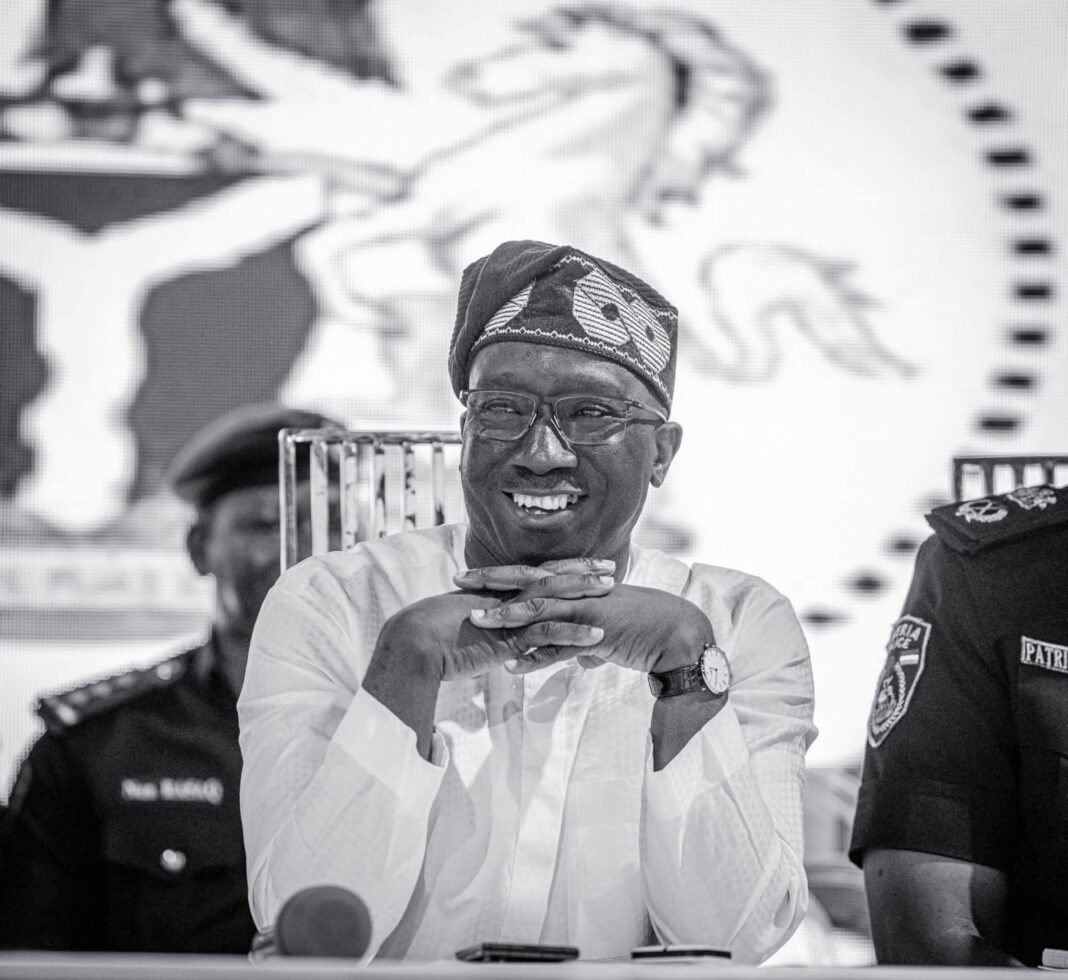
The IGP has recently begun inspection tours of police barracks and housing projects, with renewed attention being placed on the accommodation and welfare of police personnel.
During a recent inspection in Lagos, Disu expressed concern about delays in the redevelopment of police barracks and acknowledged that many officers and their families had waited too long for decent accommodation. Reports indicate that about 21 police housing and barracks projects are currently at different stages of development, reconstruction or rehabilitation across Lagos State.
The IGP has also indicated that some redeveloped barracks could become ready for occupation between December 2026 and January 2027, depending on the progress of construction work.
Disu’s intervention has brought fresh hope to officers who have spent years waiting for improvements in their living conditions.
However, promises alone will not solve the problem.
The real test will be whether the projects are completed on schedule and whether officers who have been displaced will actually return to decent and affordable accommodation.
The police authorities have also indicated plans to explore funding opportunities through police mortgage schemes, the Federal Mortgage Bank and partnerships with private developers, especially to address the housing needs of junior officers.
This is an important step, but Nigeria’s police housing problem is bigger than one city.
The situation in Lagos has received fresh attention because of the ongoing redevelopment projects, but reports from other states show that many police barracks across the country also need urgent attention.
In Ogun State, reports have highlighted deteriorating buildings and shortages of basic amenities.
In Rivers State, police families have reportedly complained about old buildings, leaking roofs, poor sanitation and inadequate water supply.
In Oyo State, concerns have also been raised about ageing structures and the need to examine the safety of some buildings.
Similar complaints have been reported in Imo and Cross River states, where residents of some police barracks have raised concerns about structural decay and poor living conditions.
The problem is therefore not isolated.
It is a national police welfare challenge.
For decades, Nigeria has focused heavily on buying patrol vehicles, firearms, communication equipment and other operational tools for security agencies. While these are important, the welfare of the personnel operating the equipment must also receive serious attention.
A police force cannot be truly effective if its officers have no decent place to rest after long hours of duty.
Nigeria continues to battle kidnapping, armed robbery, cultism, terrorism, banditry and other forms of violent crime. Police officers remain among the first responders to many of these emergencies.
But the question remains: who is taking care of the police officer after the operation is over?
Who is taking care of the family waiting for that officer at home?
The condition of some police barracks has become a symbol of the larger welfare challenges facing personnel in the Nigeria Police Force.
The crisis is not just about old buildings.
It is about morale.
It is about family stability.
It is about dignity.
It is about national security.
When an officer is worried about a leaking roof, lack of water, unsafe accommodation or the possibility of eviction, those concerns do not disappear when the officer wears a uniform and reports for duty.
Nigeria’s leaders must therefore treat police housing as part of the wider conversation about security reforms.
The government and police authorities need a clear and long-term national housing plan for police personnel.
Old and dangerous buildings should be identified and rehabilitated or reconstructed.
Where redevelopment is necessary, affected officers should be properly supported with temporary accommodation or realistic housing assistance.
New police housing projects should also be designed with proper water supply, sanitation, drainage, electricity and security infrastructure.
The situation should not be allowed to continue until another building collapses or another police family is displaced without a clear alternative.
The recent inspection tour by IGP Disu has brought the issue back into national discussion.
The police authorities have promised improved accommodation and greater attention to welfare, while redevelopment projects are ongoing in Lagos and other interventions are being considered. The Force has also stressed that decent accommodation is important to morale, wellbeing and effective service delivery.
But for officers and families currently living under difficult conditions, the biggest concern is not another promise.
It is action.
They want to see buildings repaired.
They want to see new accommodation completed.
They want access to water and sanitation.
They want safe homes for their children.
And above all, they want to know that the country they serve also cares about their welfare.
Nigeria cannot continue to demand sacrifice from police officers while ignoring the conditions in which many of them and their families live.
The police barracks crisis is now a direct challenge to the country’s commitment to police welfare and security reform.
The question is no longer whether the problem exists.
The evidence is already before the country.
The real question is how quickly Nigeria will act before more police families are pushed deeper into a housing crisis that has lasted for far too long.