
CP Patrick Daaor inspects border terrain, engages communities as security agencies move to block kidnappers’ escape routes
The Edo and Kogi State Police Commands have stepped up security cooperation along the Okene–Auchi corridor following renewed concerns over kidnapping and other criminal activities along the major highway linking the two states.
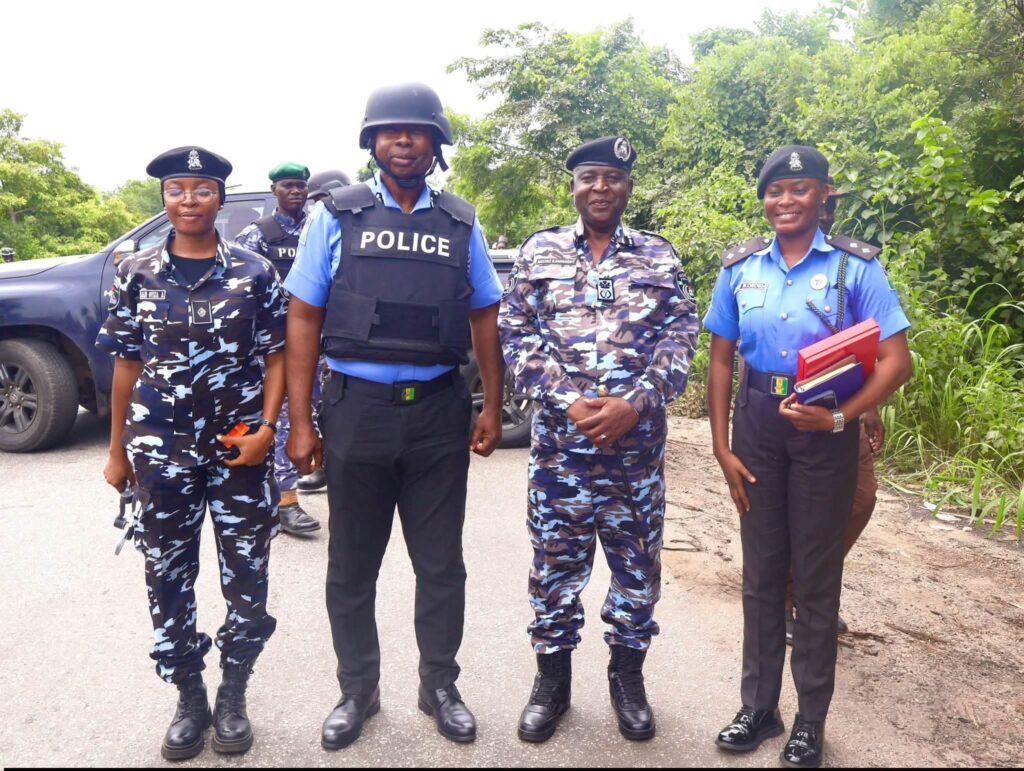
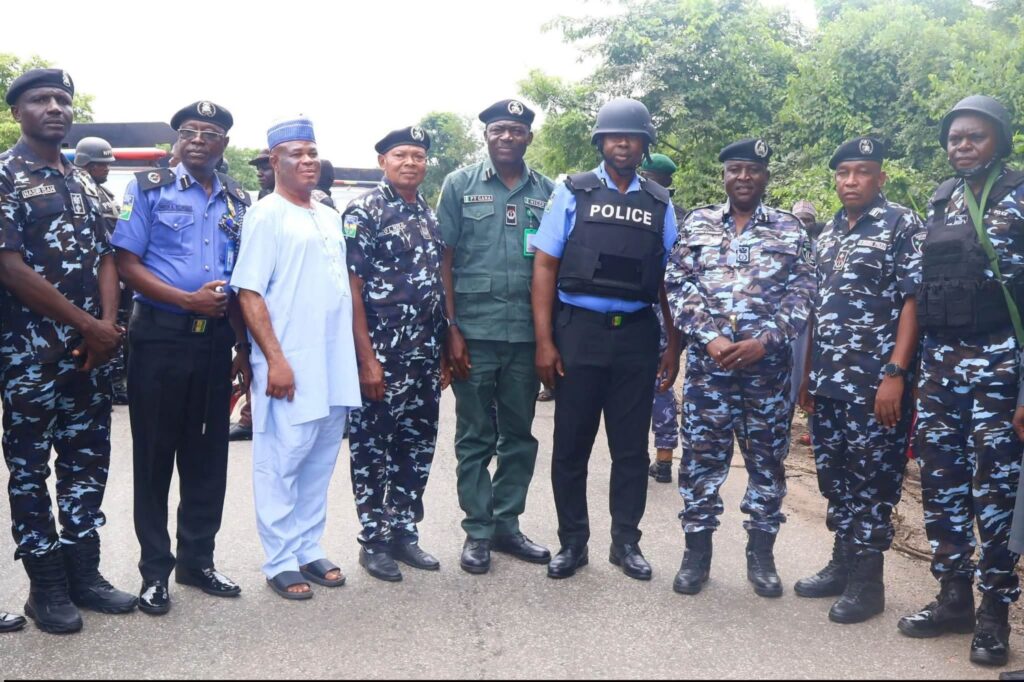
The development followed a security engagement led by the newly deployed Edo State Commissioner of Police, CP Patrick Daaor, who visited the Edo–Kogi border area in Okene to meet with the Kogi State Police Command and other security stakeholders.
The meeting focused on the security challenges around the border corridor and the need for stronger cooperation between the two commands to prevent criminals from exploiting the boundary between Edo and Kogi States.
The Okene–Auchi road has previously recorded serious security incidents, including attacks on travellers and kidnappings.

In December 2025, gunmen reportedly attacked two commercial vehicles on the highway, killing a serving soldier and abducting 13 passengers. Security forces subsequently launched rescue operations and intensified surveillance along the route.
Another major incident was reported in September 2025 when 12 people were abducted along the Okene–Auchi Road. The Nigeria Police later confirmed that eight of the victims had been rescued through a joint operation involving the police and military.
Two sisters, including a newly called-to-the-bar lawyer, were also kidnapped along the route in September 2025 before being rescued by security forces operating around the Okpella axis.
These incidents have continued to place pressure on security agencies to strengthen their presence along the highway and prevent criminals from using the surrounding forests and difficult terrain as operational bases.
During the latest security engagement, CP Daaor and his counterparts reportedly reviewed areas considered vulnerable to criminal attacks and discussed measures including intelligence sharing, coordinated operations and increased security presence.
The police leadership also inspected portions of the forest around Okene that share a boundary with Edo State’s Okpella axis.
The inspection was aimed at giving security commanders a better understanding of the terrain and identifying possible routes that criminals could use to enter communities, attack travellers or escape after operations.
For security agencies, the border between states presents a particular challenge because criminals can attempt to exploit jurisdictional boundaries to evade arrest.
A stronger joint operation between Edo and Kogi is therefore expected to make it more difficult for suspected kidnappers to move freely between the two states.
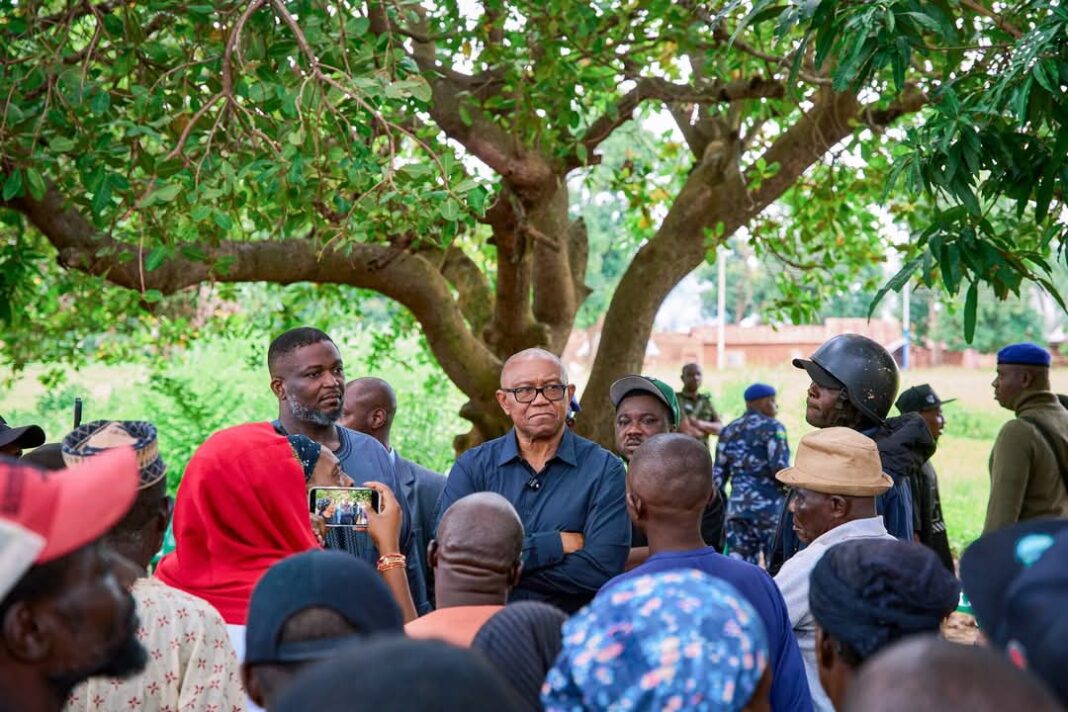
CP Daaor also engaged residents of Oguda community, where he listened to concerns from members of the community and assured them that security measures would be sustained.
The Commissioner urged residents to cooperate with security agencies by providing timely and credible information about suspicious movements and activities in their communities.
He stressed that intelligence from local residents remains critical because people living around forests, rural roads and border communities are often the first to notice unusual movements.
The latest operation also reflects the growing emphasis on intelligence-led policing and community partnership in tackling kidnapping along major highways.
CP Daaor, who recently assumed duty as the 51st Commissioner of Police in Edo State, has pledged to strengthen intelligence-led operations, professional policing and cooperation with communities and other security agencies.
His previous career includes operational, investigative and international policing assignments, including work with INTERPOL and United Nations missions.
The security cooperation between Edo and Kogi is particularly important because the Okene–Auchi road serves as a major transport route connecting travellers moving between northern and southern parts of Nigeria.
Any prolonged insecurity along the corridor can affect commercial activities, passenger movement and public confidence in road transportation.
The history of attacks on the route shows why security operations cannot be limited to isolated checkpoints.
Security analysts have previously called for stronger surveillance, intelligence gathering and technology-based monitoring along vulnerable highways, including the use of drones and other modern security equipment.
The current approach of jointly assessing the terrain, sharing intelligence and engaging border communities could therefore provide a stronger response than relying only on conventional checkpoints.
The two commands are expected to continue working together with other security agencies to identify criminal networks, disrupt their operations and rescue anyone abducted along the corridor.
Residents and motorists have also been urged to remain vigilant and report suspicious activity to the appropriate authorities.
The police have made it clear that cooperation from communities will be necessary if security agencies are to permanently deny criminals safe havens around the Edo–Kogi border.
For motorists travelling between Okene and Auchi, the immediate expectation is that increased patrols, intelligence operations and coordinated security activities will make the highway safer.
However, the success of the strategy will ultimately depend on sustained operations rather than temporary deployment after attacks occur.
With the Edo and Kogi commands now strengthening cooperation, security agencies face the task of ensuring that the Okene–Auchi corridor does not return to the cycle of attacks, kidnappings and rescue operations that has previously troubled travellers.
The message from the latest security engagement is clear: criminals operating around the border will increasingly face a coordinated security response from both states.
IBN NEWS — FEARLESS, STRONG & RELIABLE