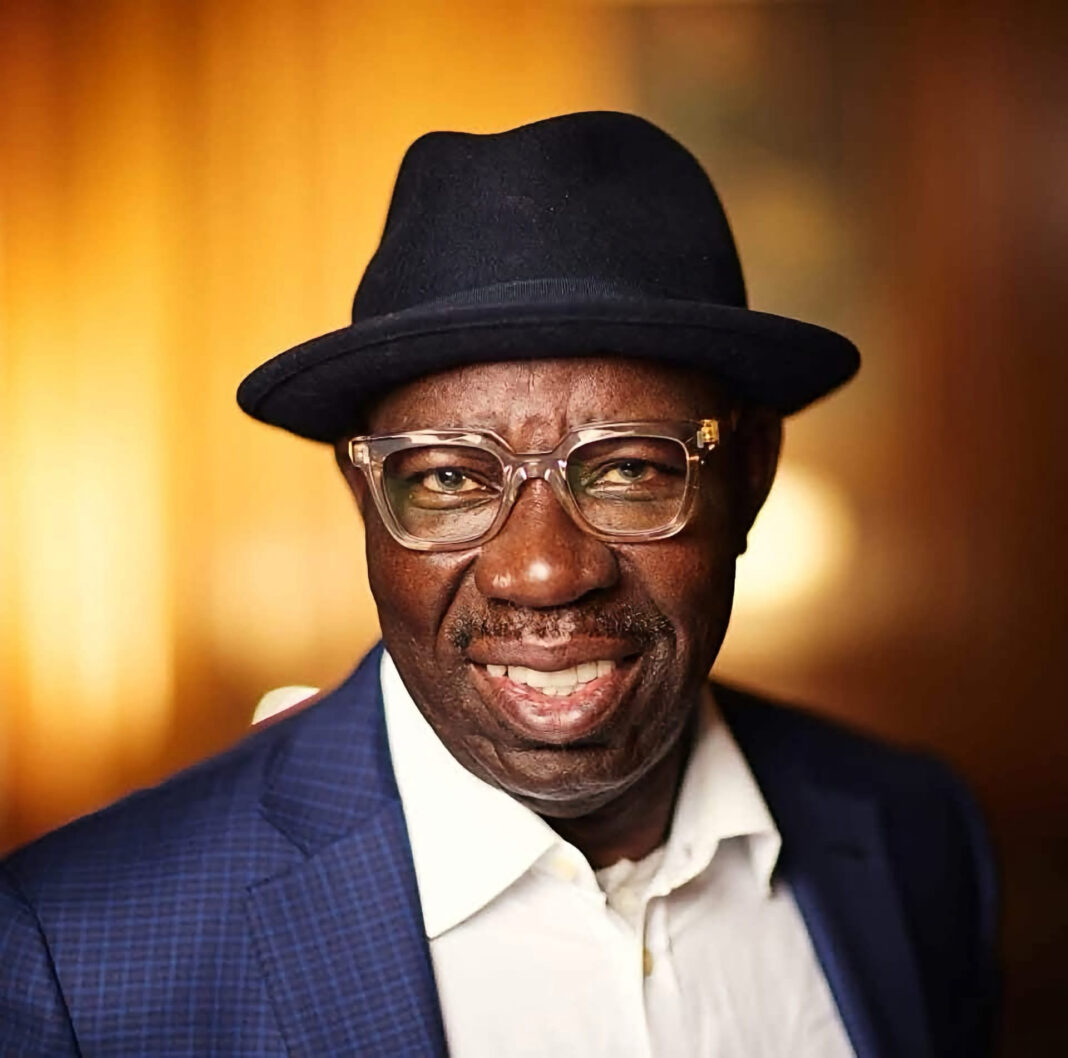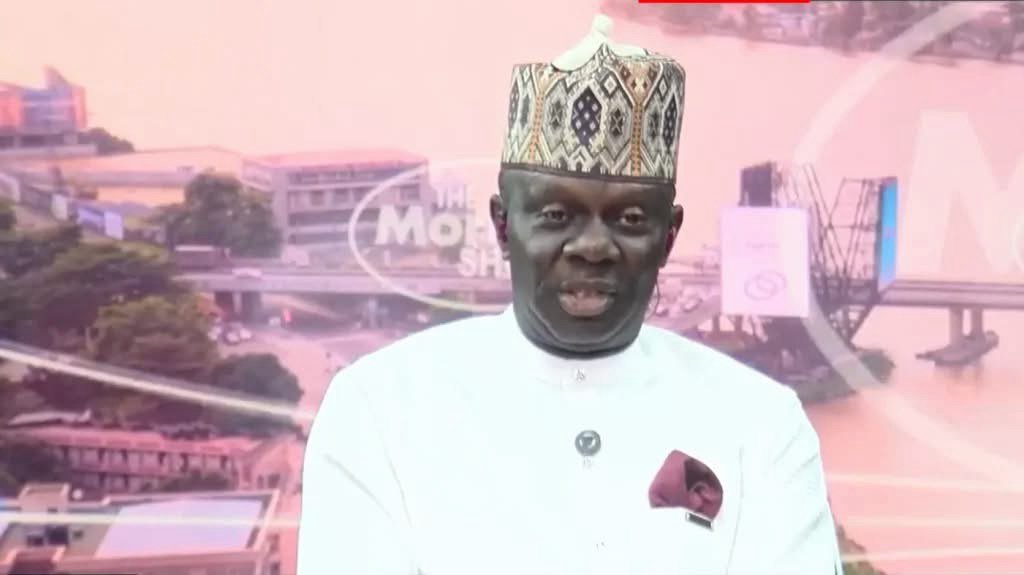

Edo State Commissioner for Information and Strategy, Kassim Afegbua, has acknowledged that President Bola Tinubu has not fulfilled all the promises he made during the 2023 presidential campaign, but insists that his administration has recorded significant progress in managing Nigeria’s economy.
Afegbua, an All Progressives Congress (APC) chieftain, made the remarks on Sunday during an interview on Arise News’ Morning Show, where he discussed the Tinubu administration’s performance, economic reforms and the political debate ahead of the 2027 general elections.
He argued that although some campaign commitments remain outstanding, the president has introduced policies that he believes are adding value to the economy.
Afegbua said Nigerians should assess the administration not only by promises that have yet to be delivered but also by the economic and institutional changes introduced since Tinubu assumed office in May 2023. Daily Post Nigeria
Fuel subsidy removal and economic reforms
Afegbua identified the immediate removal of the petrol subsidy as one of Tinubu’s most significant early decisions.
He said the president confronted the challenges in the petroleum sector from the beginning of his administration rather than postpone difficult decisions.
Tinubu announced the end of the petrol subsidy during his inauguration on May 29, 2023. His administration also introduced foreign exchange reforms aimed at unifying exchange-rate markets and improving the functioning of the naira market.
The reforms have remained controversial, particularly because of their impact on petrol prices, transportation costs, food prices and household purchasing power.
Afegbua projects six per cent economic growth
During the interview, the commissioner expressed optimism about Nigeria’s economic outlook, saying the country’s growth projection was around six per cent.
He argued that improved macroeconomic stability and greater predictability in the foreign exchange market could help local and international investors plan their business activities.
Afegbua said the administration’s policies could create a stronger foundation for translating improvements in the broader economy into tangible benefits for Nigerians over the next four years.
He added that the government had introduced initiatives such as the Nigerian Education Loan Fund (NELFUND), which provides financial support to eligible students pursuing higher education.
He also pointed to the implementation of local government financial autonomy, which allows local councils to receive allocations directly from the Federation Account, describing it as an important institutional reform.
Economic data show improvement, but challenges remain
Some of Afegbua’s arguments are supported by recent economic assessments, although international institutions have cautioned that improvements in economic indicators have not yet translated into relief for every Nigerian.
The World Bank reported in October 2026 that Nigeria’s economy grew by 4.2 per cent in the first half of the year, compared with 3.9 per cent during the corresponding period in 2025.
It also reported that gross external reserves rose above $54 billion in September, while higher government revenues created additional fiscal space for state governments. World Bank
In a separate October 30 statement, President Tinubu said headline inflation had declined to 14.63 per cent in September 2026, from 20.98 per cent a year earlier, while economic growth reached 4.43 per cent in the second quarter. The State House, Abuja
However, the World Bank warned that inflation remained elevated and continued to affect household purchasing power, despite the improvement in economic performance. World Bank
The International Monetary Fund also acknowledged that Nigeria’s economic reforms had improved macroeconomic outcomes and strengthened resilience, but said conditions remained difficult for many citizens.
Its June 2026 assessment estimated that 63 per cent of Nigerians were living below the national poverty line and that 27 million people had faced food insecurity in the autumn of 2025. International Monetary Fund
2023 promises and the 2027 political debate
Afegbua’s comments come as political parties and their supporters begin debating the records of the Tinubu administration ahead of the 2027 general elections.
The discussion is also taking place amid preparations for the next round of campaign manifestos, with attention on which promises made during the 2023 elections have been fulfilled, partially implemented or left outstanding.
While acknowledging that Tinubu has not delivered on every campaign commitment, Afegbua maintained that the administration deserves recognition for the economic reforms and institutional changes it has introduced.
His position is that the reforms need more time to produce wider benefits, particularly in employment, education, investment and household welfare.
The debate over the administration’s performance is therefore likely to remain central to political discussions as Nigerians assess the government’s record against its original promises and expectations for the next four years.