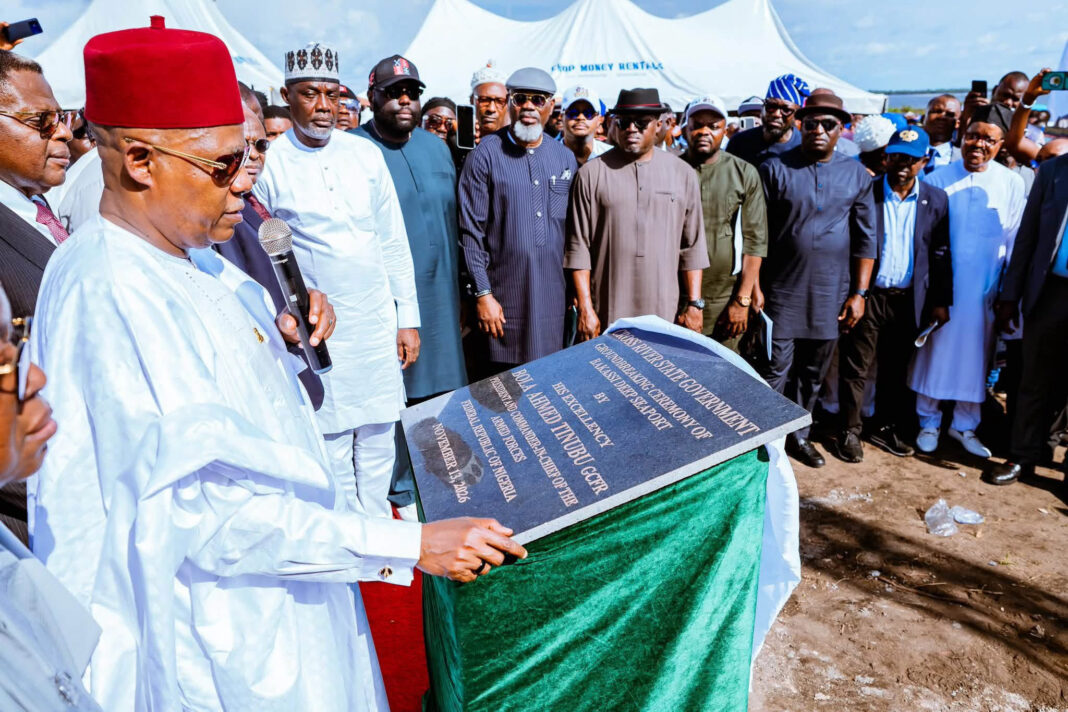

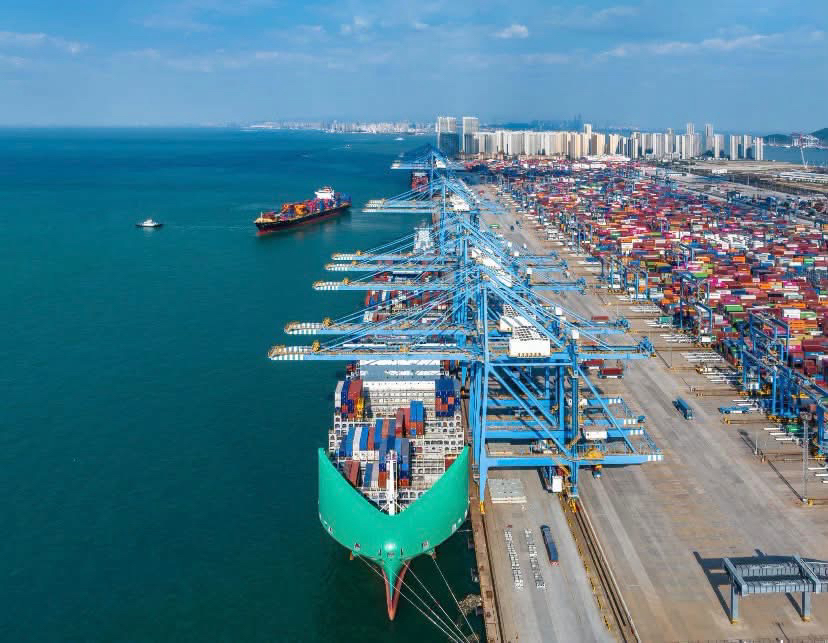
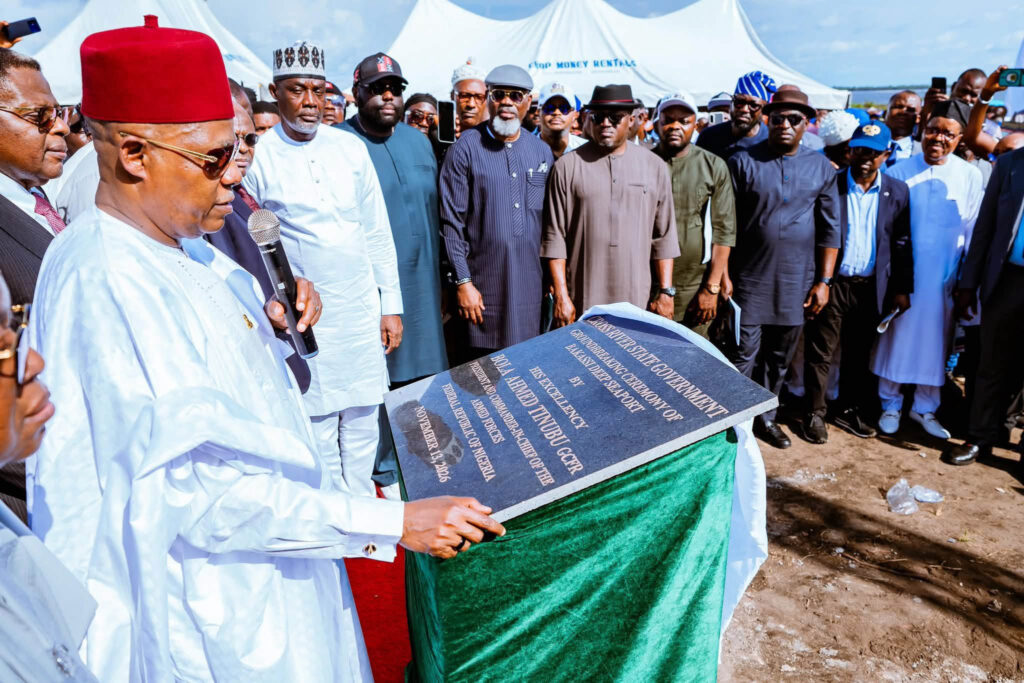
President Bola Ahmed Tinubu has officially flagged off the construction of the proposed $3.5 billion Bakassi Deep Seaport in Cross River State, marking a major milestone in Nigeria’s ambition to expand its maritime infrastructure, attract foreign investment and strengthen international trade.
The groundbreaking ceremony took place on Friday, November 13, 2026, in Bakassi Local Government Area, with Vice-President Kashim Shettima representing President Tinubu.
The ambitious project is expected to position Cross River State as an important maritime and industrial destination while providing Nigeria with another major gateway for international shipping and commercial activities.
Designed with a navigational draft of approximately 20 metres, the proposed deep seaport is expected to accommodate large commercial vessels that require deeper waters, potentially increasing the country’s capacity to handle international cargo.
The $3.5 billion development is expected to feature a deep-water harbour, container terminals, cargo-handling facilities, berthing infrastructure and supporting logistics services.
A New Maritime Gateway Beyond Lagos
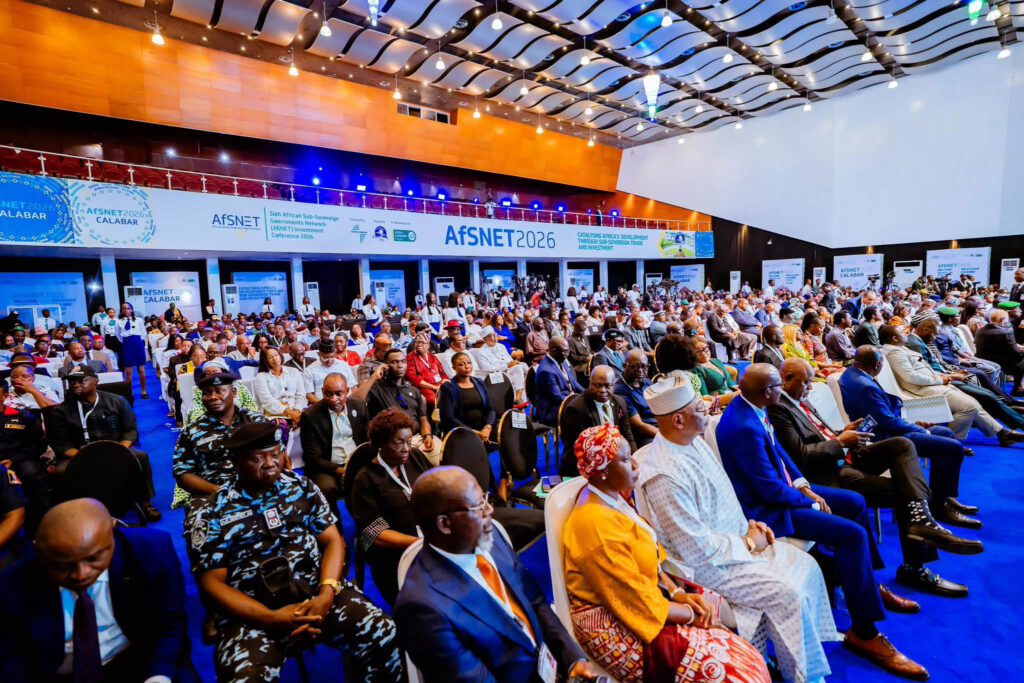
Speaking at the groundbreaking ceremony, Vice-President Shettima emphasised the importance of diversifying Nigeria’s maritime infrastructure rather than concentrating the country’s international trade activities around a single major commercial gateway.
He explained that the Bakassi project would complement existing ports, particularly those in Lagos, and strengthen Nigeria’s capacity to participate in international trade.
“Lagos is not our enemy. Lagos is our elder brother in trade. No country eats with one hand. No country carries all its loads on one shoulder. That shoulder will break,” Shettima said.
He further declared: “When Calabar works, Nigeria works on two legs.”
The Vice-President described the project as a national development initiative rather than an investment exclusively intended for Cross River State.
“This is beyond a Cross River dream. It is a Nigerian project. It is a poverty breaker,” he stated.
$2.27bn Initial Financing Approval
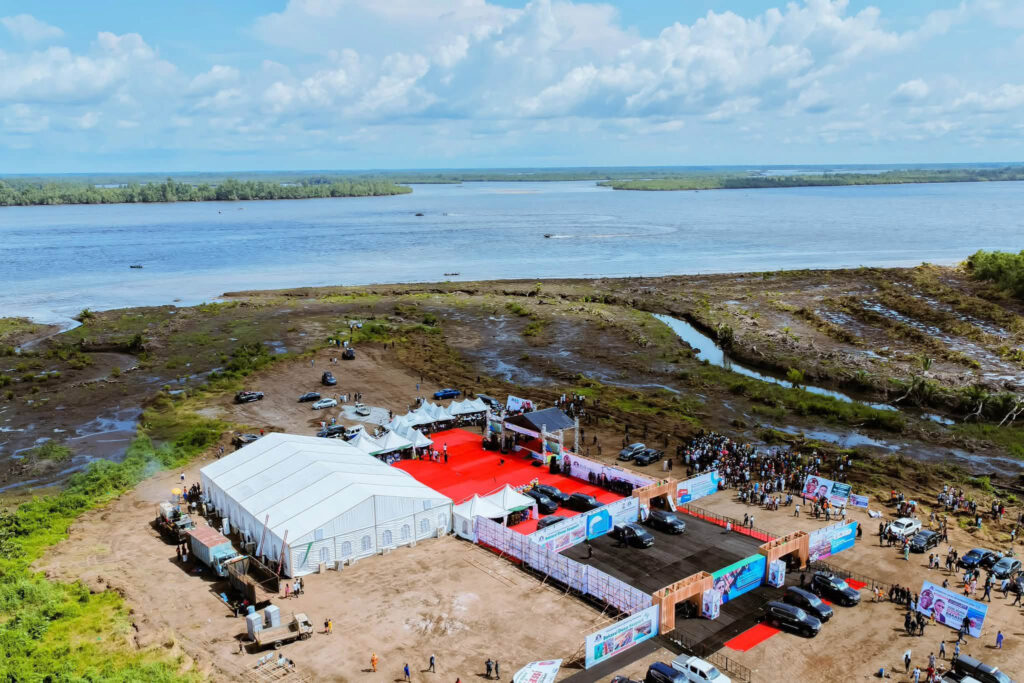
The Bakassi Deep Seaport is being developed through a partnership involving the Cross River State Government and Arise Integrated Industrial Platforms (Arise IIP).
The proposed ownership arrangement provides for 80 per cent private-sector participation and 20 per cent ownership by the state government.
Afreximbank has been identified as the financing partner, with Governor Bassey Otu announcing an initial funding approval of $2.27 billion during the groundbreaking ceremony.
The overall investment requirement for the project is estimated at $3.5 billion.
The funding arrangement is expected to support the development of the port and associated infrastructure needed to establish a commercially viable maritime and industrial centre.
275km Superhighway To Support Cargo Movement
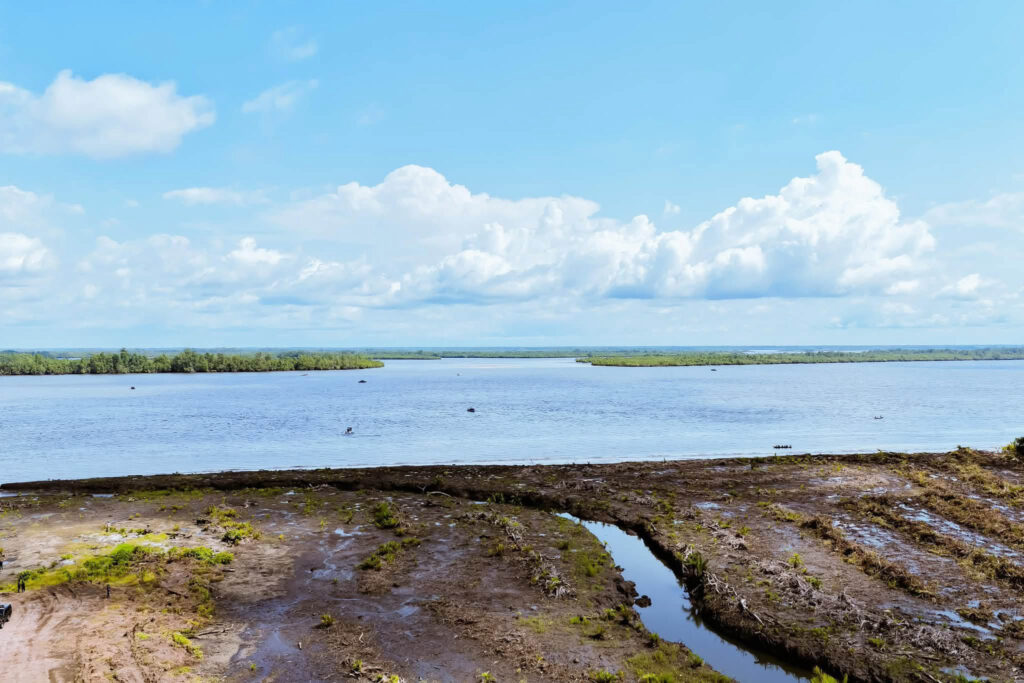
A major component of the wider development plan is the proposed Calabar–Ogoja–Gakem Superhighway, designed as a six-lane tolled road to facilitate the movement of cargo between the seaport and inland markets.
The proposed highway is expected to strengthen connectivity between the coastal port, agricultural communities and commercial centres across the state.
While the wider project description refers to a 275-kilometre superhighway, the Federal Government also referenced a 260-kilometre highway during the groundbreaking. The difference in the published distances requires further clarification.
The development is also expected to benefit from connections to Calabar Airport and the Lagos–Calabar Coastal Highway, creating a wider transport and economic corridor.
Agriculture, Fishing, Tourism And Manufacturing To Benefit
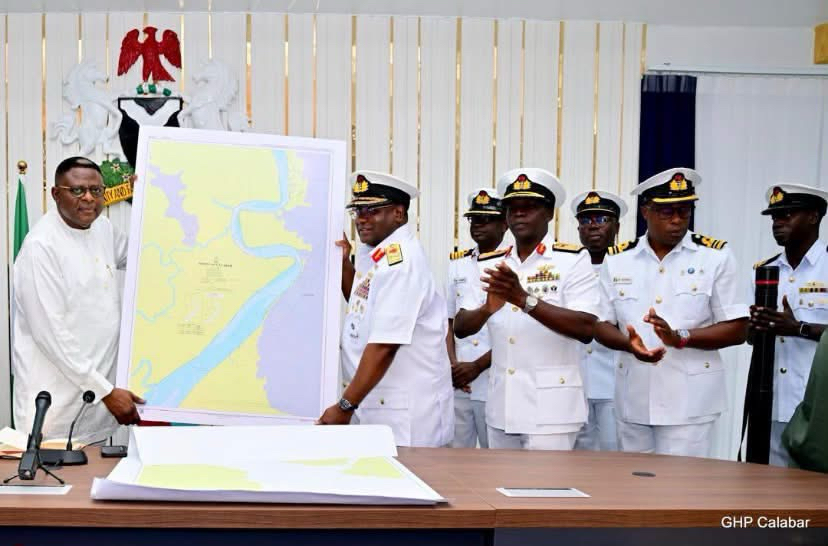
Governor Bassey Otu said the proposed seaport would open significant economic opportunities across several sectors, including logistics, shipping, fishing, tourism, shipbuilding and manufacturing.
The project is also expected to encourage investments in seafood processing, cold storage, warehousing, freight services, marine engineering and agro-processing.
Cross River State produces agricultural commodities such as cocoa and oil palm, which could benefit from improved transportation and access to domestic and international markets.
With adequate supporting infrastructure, investors could establish processing and manufacturing facilities around the port, allowing agricultural products and other raw materials to be processed, packaged and distributed more efficiently.
The industrial ambition is to develop an economic ecosystem around the seaport rather than operate it solely as a location for loading and unloading cargo.
However, these remain anticipated investment opportunities and should not be mistaken for factories already approved or under construction.
Governor Otu also disclosed that residents were undergoing specialised training to prepare them for employment opportunities expected from the project.
He said the state government intended to expand skills development programmes for artisans, professionals and other categories of workers who could participate in the construction and operation of the facilities.
A Project Conceived In 2014
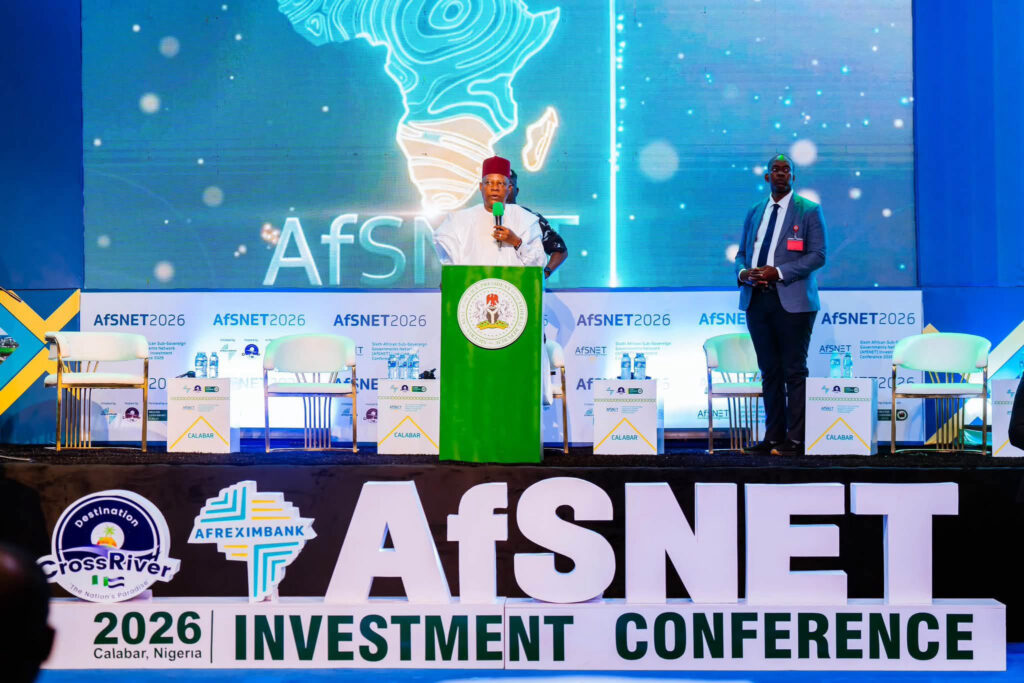
The Bakassi Deep Seaport project dates back to 2014 and has experienced several years of institutional, financial, legal and environmental challenges.
Preparatory activities have included environmental assessments, hydrographic investigations, geotechnical studies and other technical processes required for the development of a major deep-water port.
The November 13 groundbreaking therefore represents an important milestone in efforts to move the long-standing proposal towards implementation.
What The Project Means For Nigeria
If successfully completed alongside its supporting infrastructure, the Bakassi Deep Seaport could strengthen Nigeria’s maritime capacity, provide an additional gateway for international commerce and reduce pressure on existing port facilities.
It could also attract private-sector investments, create employment, improve agricultural exports and stimulate economic activities across Cross River State and neighbouring parts of the South-South and South-East.
For Cross River, the project offers an opportunity to transform its coastal location into a major centre for maritime trade, industrial development and logistics.
For Nigeria, it represents a broader attempt to diversify the country’s economic infrastructure and improve its competitiveness in international commerce.
Nevertheless, the groundbreaking ceremony is not the completion of the project. The ultimate success of the investment will depend on the commencement and completion of construction, the delivery of supporting roads and logistics infrastructure, transparent financing arrangements and the attraction of businesses capable of sustaining commercial operations.
The real economic benefits will be measured not simply by the size of the investment but by the number of jobs created, businesses established, cargo handled and opportunities delivered to Nigerians.
The Bakassi Deep Seaport is therefore more than a proposed port project. It is an ambitious attempt to turn Cross River State’s coastal advantage into a major engine of trade, industrialisation and economic growth.